
Last updated November 23, 2026
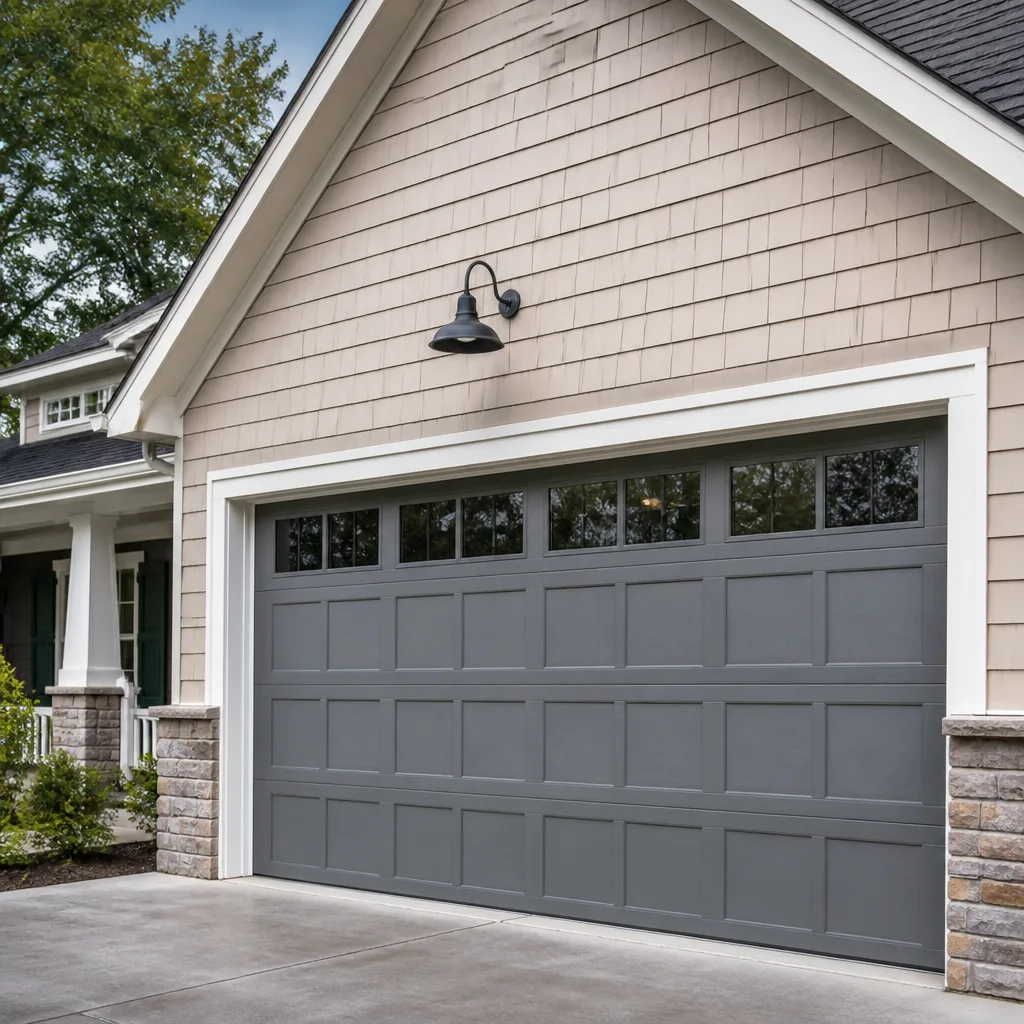
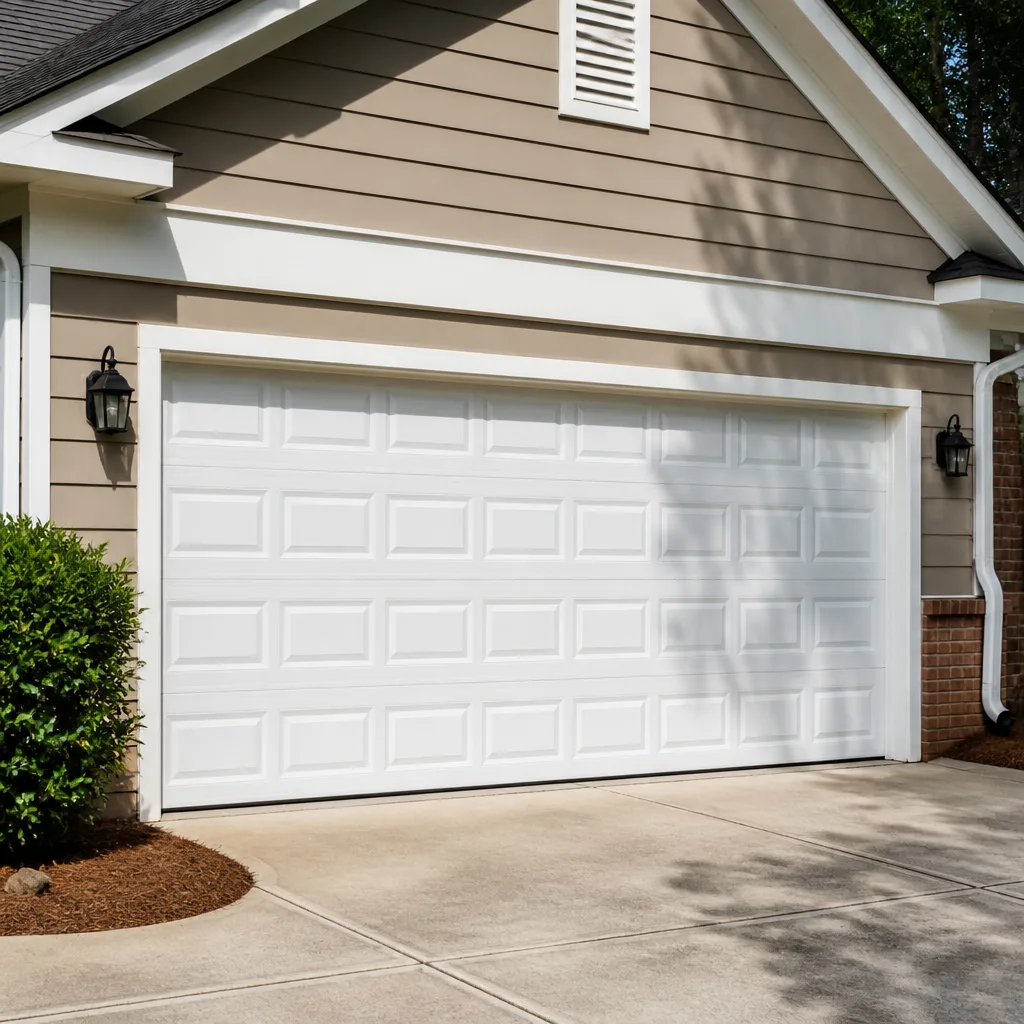 Raised-panel steel
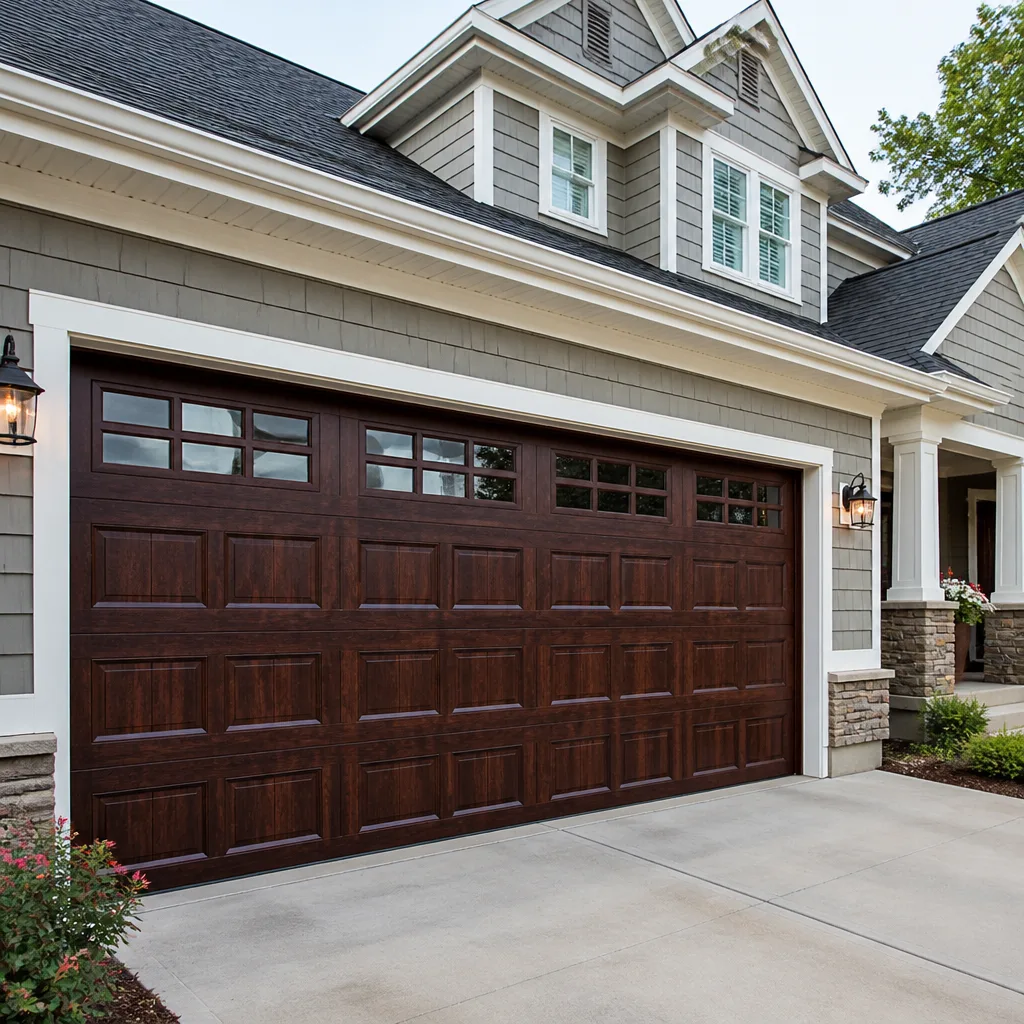
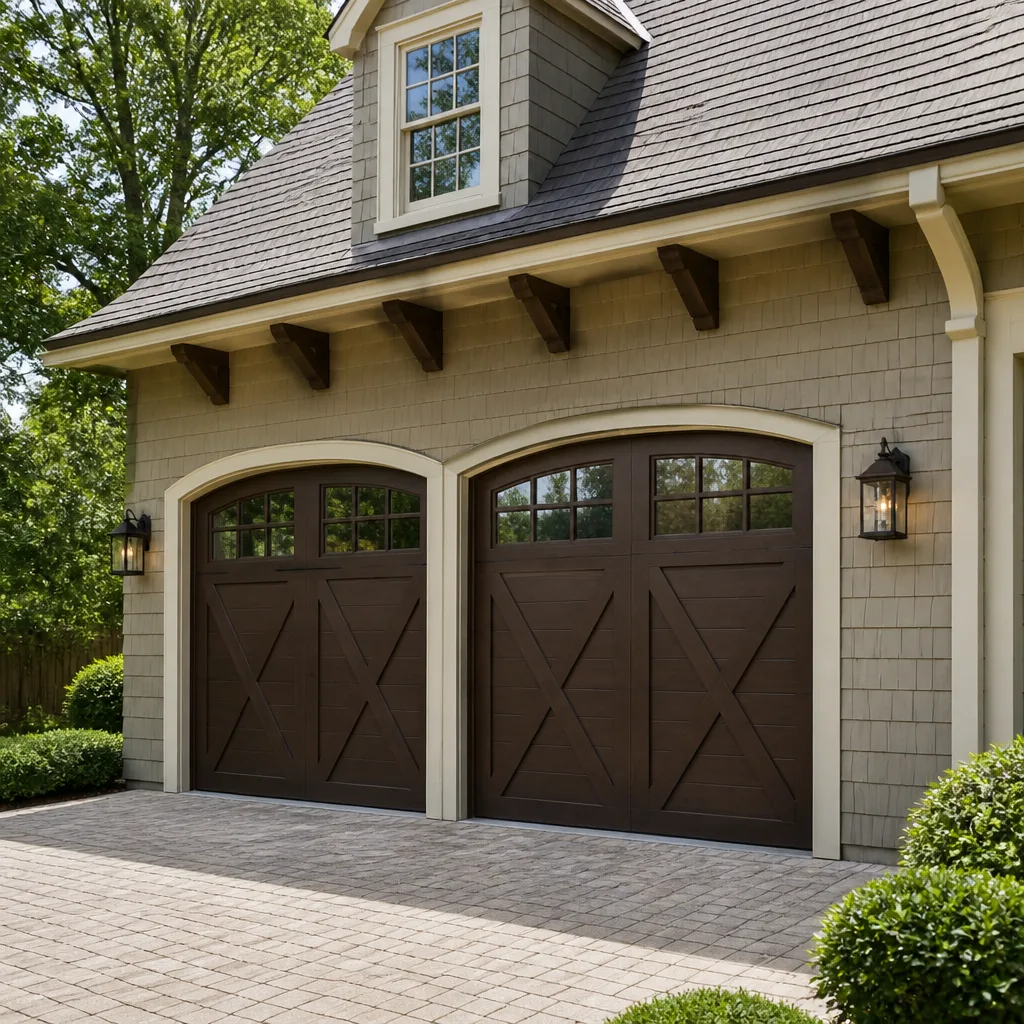 Carriage house
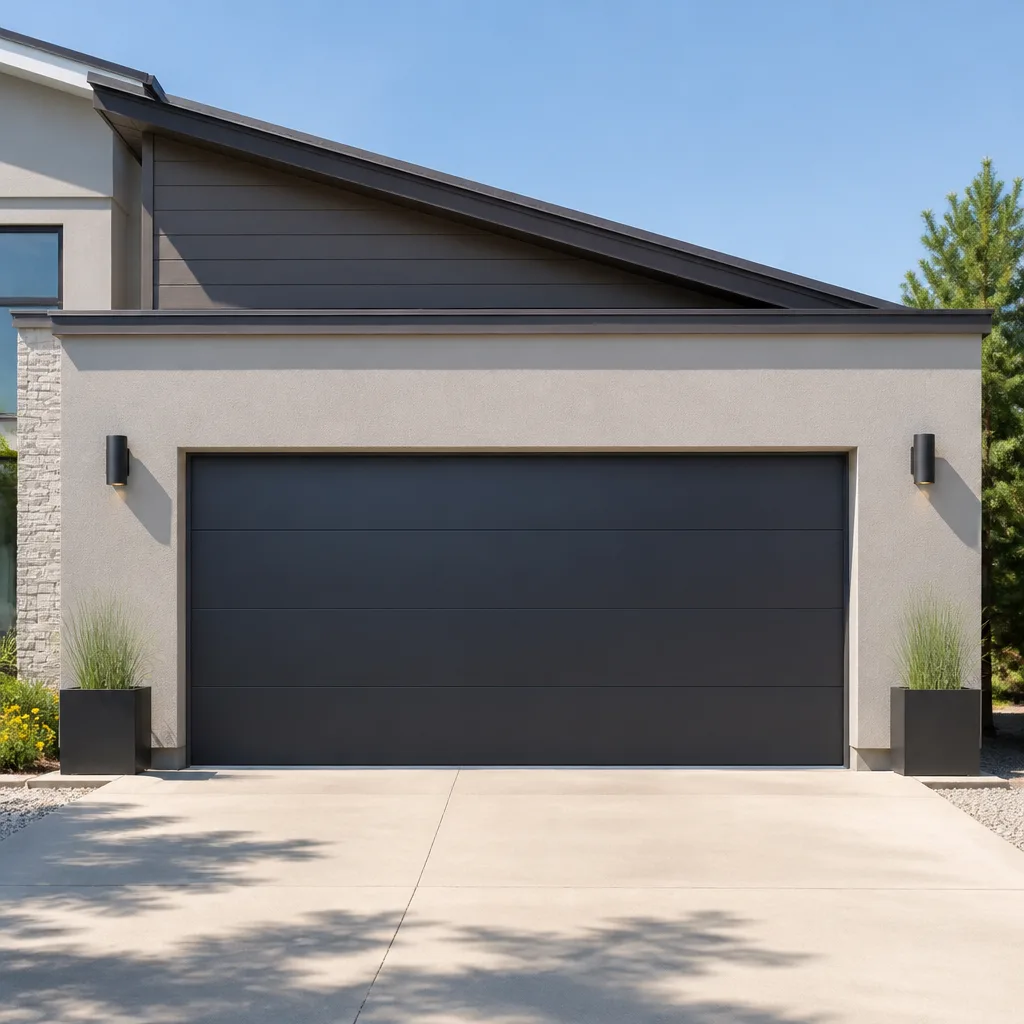 Modern flush
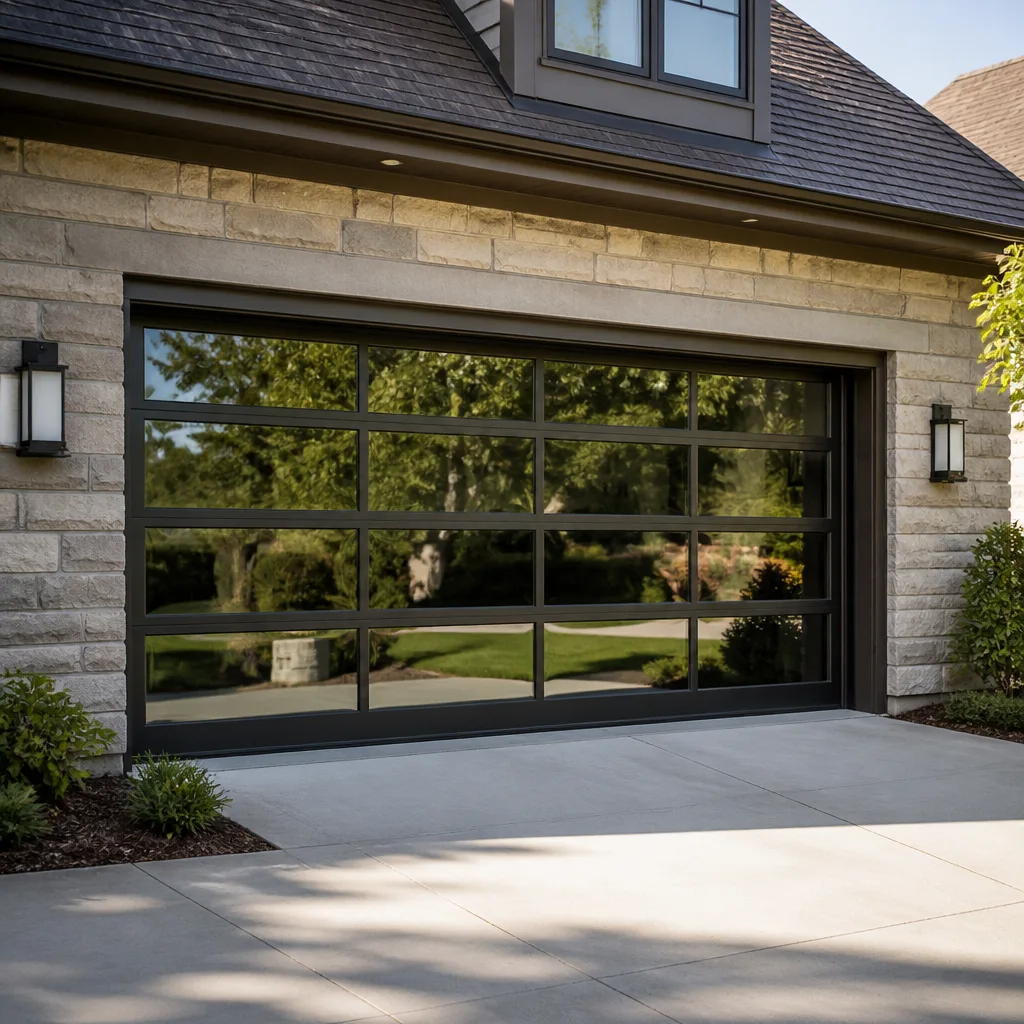 Full-view glass
 LiftMaster openers
 Chamberlain openers
Full 25-point door and opener safety check with every visit - springs, cables, rollers, tracks, and your LiftMaster or Chamberlain opener included
You get a price before we start. It does not change when the pro arrives.
Get your free estimateGarage Door Repair Maintenance Schedule: What to Do and When
Garage door cables have a rated cycle life of roughly 10,000 cycles. If you open your door four times a day, that’s less than seven years, and there’s no visible warning before they snap. Most homeowners treat garage door maintenance as one annual event: a quick visual once-over, a squirt of oil on the hinges, done. That approach is always early on some parts and dangerously late on others, because the 12 to 15 moving parts in your garage door system each wear on their own timeline. Springs fatigue at a different rate than rollers. Weatherstripping ages on yet another clock. Openers have their own service needs. This guide breaks the work down by component lifecycle rather than calendar convenience. You’ll learn what to inspect, when to inspect it, which lubricants go where, and how to build a simple log that makes future service calls faster. If you live in Middletown, the seasonal checkpoints are tuned to our specific climate: freezing winters, humid summers, and a spring thaw that heaves concrete pads.
Quick Answer
A practical garage door maintenance schedule runs on multiple timelines: professional spring inspection once a year, balance test twice a year, roller replacement every five to seven years for nylon or every three to four years for steel, cable inspection every six months, weatherstripping replacement every two to three years, and a full opener service every 12 to 24 months. Lubricate moving metal parts every six months, never touch the tracks with grease, and keep a written log so you can compare test results year over year.
Styles & brands we work with
- Raised-panel steel
- Carriage house
- Modern flush
- Full-view glass
- LiftMaster openers
- Chamberlain openers
Table of Contents
- Why Every Component Has Its Own Clock
- The Annual Professional Inspection: What It Should Cover
- Seasonal Checklist for Middletown’s Climate
- How to Run and Record a Balance Test
- Which Lubricants Go Where (and Where They Don’t)
- Rollers and Cables: Replacement Timelines That Actually Matter
- Opener Service Intervals and Smart System Checks
- Building a Maintenance Log That Saves You Money
Why Every Component Has Its Own Clock
Your garage door isn’t one machine. It’s a system of parts that move together but wear at different rates, and treating them uniformly means you’ll replace good rollers while missing a cable that’s three months from failing.
Here’s what actually happens inside a typical residential door:
- Springs carry the entire weight of the door every time it moves. Torsion springs are rated by cycles, not years. A door used four times a day burns through cycle life far faster than a door used twice. Once a year, a trained technician should measure spring tension and check for gap, stretch, or rust.
- Cables run through pulleys and around drums. They fray from the inside out, so the damage is invisible until failure. Inspect every six months for broken strands or kinks near the drum.
- Rollers are the quiet workhorses. Nylon rollers typically last five to seven years; steel rollers last three to four and are louder from day one. Plastic rollers on older doors may need replacing within two years if the door cycles heavily.
- Hinges wear at the pivot points. Most residential hinges last the life of the door if lubricated, but the bottom hinge carries more load and often goes first.
- Weatherstripping at the bottom and sides cracks with UV exposure and freeze-thaw cycles. Expect two to three years in Middletown before the rubber stops sealing.
- Opener drive systems have their own service needs: chain, belt, or screw drive. Belt openers are quieter and generally need less adjustment; chain openers need tension checks annually.
The key insight is that a calendar-based schedule (“service the door every spring”) doesn’t match how parts fail. A component-based schedule does. If you’ve been following a general annual service for years and the door still feels fine, you may be missing a cable that’s simply past its rated life. That’s exactly why we recommend the component approach: Middletown homeowners deserve a maintenance plan that catches what annual service misses.
The Annual Professional Inspection: What It Should Cover
Once a year, a trained garage door technician should inspect your door’s springs, cables, and hardware. This isn’t a car oil change where you can watch a video and do it yourself. Torsion springs store enough energy to cause serious injury if they release unexpectedly.
Here’s what a thorough annual inspection should include:
- Spring tension measurement. The technician measures remaining tension on torsion springs and checks for visible gap or stretch. A spring that’s about to fail often shows a hairline gap before it breaks.
- Cable inspection at the drums and pulleys. Cables fray from the inside, so the technician checks for broken strands, kinks, and rust at the attachment points. This is where a trained eye matters.
- Roller condition and track alignment. The technician checks rollers for flat spots and the tracks for bends, loose brackets, or misalignment. A bent track will eat through a roller set in months.
- Hinge wear and bolt tightness. Every hinge pin and bracket bolt gets a torque check. Loose bolts accelerate wear on everything nearby.
- Balance test and opener force check. The technician runs a balance test to confirm the springs are carrying the door’s weight, then checks the opener’s auto-reverse sensitivity and force settings.
- Weatherstrip seal check. The bottom seal, side seals, and top seal are checked for gaps that let in drafts, moisture, and pests.
If you’re in Middletown and your door is over five years old, an annual inspection is the single best investment you can make. It’s how you find problems before they strand your car. For a full garage door repair after a failure, that’s a different call, but the inspection often prevents the repair entirely.
Seasonal Checklist for Middletown’s Climate
Middletown’s climate poses specific challenges: hard freezes in winter, humid summers, and a spring thaw that shifts concrete slabs. Here’s a season-by-season checklist built for that reality.
Before Winter (Late Fall)
- Lubricate hinges, rollers, and the spring with a cold-resistant lubricant. Standard oils thicken when the temperature drops below freezing, and a stalled door in single-digit weather is a common winter call.
- Check the bottom weatherstrip for cracking. A frozen seal cracks fast and lets cold air into your garage.
- Run a balance test now so you have a baseline before the cold months. Note the results in your log.
- Test the opener’s safety reverse. A door that hesitates to reverse in cold weather can be a sign of spring tension loss.
After Spring Thaw
- Walk the perimeter of your garage slab. Concrete heaves after freeze-thaw cycles, and a shifted slab can knock the door’s bottom seal out of alignment.
- Check the tracks for misalignment. If the door looks like it’s leaning to one side, the track brackets have likely shifted.
- Inspect the bottom seal for grit and damage. Spring rain and road grit collect at the threshold.
- Re-lubricate the hinges and rollers. Winter salts and moisture strip lubricant fast.
Summer Check
- Look for rust on springs, cables, and hinges. Middletown’s summer humidity accelerates corrosion on unprotected metal.
- Check the weatherstripping for UV cracking. This is when it dries out and splits.
- Test the opener’s force and travel settings. Heat can cause doors to expand slightly, and a tight seal in winter may jam in summer.
Fall Return Check
- Run the balance test again. Comparing the fall result to last year’s fall result tells you whether the springs are losing tension.
- Inspect the cables for fraying before winter loads. Cold weather makes cables more brittle.
- Check the opener’s battery backup (if your model has one) and the safety sensors for obstructions.
If you’re in a neighborhood like Mayfield or the older streets near downtown Middletown, you may also notice that some driveways slope more than others, which puts extra load on the opener. Keep that in mind when scheduling your inspections.
How to Run and Record a Balance Test
A balance test tells you whether the springs are carrying the door’s weight or whether the opener is doing the lifting. Most people do it once, see a pass or fail, and stop there. The real value comes from comparing results year over year.
Here’s how to run it:
- Disconnect the opener by pulling the release cord. The door should be fully closed and centered.
- Lift the door about halfway by hand. Then let go. A balanced door should stay in place or rise or fall slowly. A door that slams down or shoots up needs attention.
- Lower the door to the fully closed position, then raise it to the fully open position by hand. It should move with moderate resistance. If it feels heavy or light in one direction, the springs are out of balance.
- Record the results: date, weather, how it felt, and whether it stayed in place.
- Reconnect the opener after the test.
The balance test itself takes about two minutes, but it’s the single best early-warning system you have. If your door that stayed in place last fall now drifts down after you release it, your springs are losing tension. That tells you to call for a spring inspection before something breaks. If the door is noticeably heavier than last year, the same logic applies. For a full garage door spring repair, the balance test is often the first clue a technician needs.
It’s worth logging the result alongside your seasonal weather. You’ll start to see patterns: doors that feel heavier after a cold snap, or doors that drift after a humid summer. Those patterns are how you predict failures before they happen.
Which Lubricants Go Where (and Where They Don’t)
Most garage door maintenance guides get lubrication wrong. They tell you to grab “garage door lubricant” and spray everything. The right approach is specific: different parts need different products, and some parts need nothing at all.
- White lithium grease: Use on metal hinges, roller stems, and the torsion spring coils. It’s heavy enough to stay in place and doesn’t run. This is the workhorse for most metal-on-metal contact.
- Silicone spray: Use on the bottom weatherstrip, side seals, and any plastic or rubber parts. Silicone won’t degrade rubber the way petroleum-based lubricants will.
- Nothing at all: Don’t lubricate the tracks. Grease collects dirt, and a greasy track gums up rollers and causes them to slide instead of roll. Wipe tracks with a dry cloth instead.
- Nothing on the opener rail (belt or screw drives): Belt and screw drives are designed to run dry. Greasing them attracts grit and shortens the drive’s life. Chain drives are the exception; a light chain lubricant is appropriate.
- Never use WD-40 as a long-term lubricant. It’s a solvent, not a grease. It’ll strip existing lubrication and leave metal dry. Use it only to clean and then apply the right product.
If you’ve been spraying everything with one product, don’t worry. You haven’t ruined anything yet. Just switch to the right product for each part, and in the future, reach for the right can. For garage door opener repair, the opening mechanism has its own specific needs, and using the wrong lubricant on a belt drive is a common cause of premature wear. Inexperience with the right products is one reason we see premature wear on doors throughout Middletown.
Rollers and Cables: Replacement Timelines That Actually Matter
Rollers and cables are the parts most often ignored until they fail. Here’s a realistic timeline:
Rollers
- Nylon rollers: Five to seven years. They’re quieter and are standard on most newer doors. Replace when they develop flat spots or start squeaking despite lubrication.
- Steel rollers: Three to four years. Louder and more prone to rust in humid climates. If your door sounds like a train, steel rollers are often the cause.
- Plastic rollers on older doors: Two years or less with heavy use. They’re the cheapest option and fail fastest.
Cables
Cables don’t have a fixed replacement interval because their lifespan depends on cycles and load. But here’s a hard rule: if you see a broken strand, a kink, or rust at the drum, the cable needs replacement. Cables are rated for roughly 10,000 cycles, which is about seven years at four cycles a day. After five years, have them inspected annually.
When cables fail, they fail suddenly. There’s no slow leak of performance. That’s why inspection matters more than any calendar replacement schedule. We’ve seen cables snap on doors that looked fine two weeks earlier. For a brand like Clopay or Amarr, the cables and rollers are standard residential parts, but the inspection schedule is what catches them. If you notice a cable hanging loose or a door that’s rising unevenly, that’s a sign to call for garage door repair before the door comes down.
Opener Service Intervals and Smart System Checks
The opener is the electrical brain of the system, and it needs attention on its own schedule. Here’s what to check and when.
- Every 12 to 24 months: A professional adjustment of force settings, travel limits, and safety reverse. This is the core of garage door opener repair prevention.
- Every six months: Test the safety reverse. Place a small object (a roll of paper towels works) in the door’s path and close it. The door should reverse. If it doesn’t, the safety reverse needs adjustment.
- Annually: Check the drive system: chain tension, belt condition, or screw drive noise. A chain that’s loose slaps and wears out the sprocket. A belt that’s frayed will snap.
- Every three to six months (smart openers): Check the Wi-Fi connection and app alerts if you have a LiftMaster, Chamberlain myQ, or Genie Aladdin Connect system. These systems run firmware updates and alert you to malfunctions, but only if the connection stays live.
- Every two years: Check the opener’s battery backup if it has one. Most modern openers include a battery backup for power outages, and batteries lose capacity over time.
If your opener is a Wayne Dalton or Genie unit that’s more than a decade old, have the drive system inspected annually. Aging belt and gear assemblies fail more easily, and replacement parts for older models can be hard to find. We work on the brands you already have. Our technicians have up to 11 years of experience with LiftMaster, Chamberlain, Genie, Craftsman, Clopay, Amarr, Wayne Dalton, and Raynor systems. For a complete overview of our services, visit Middletown Garage Door Repair Experts.
Building a Maintenance Log That Saves You Money
A maintenance log is the single most useful tool you can keep, and almost nobody does it. Here’s how to build one that actually helps.
- Use a simple spreadsheet or notebook. Columns: date, task performed, result, and notes.
- Log every balance test. Date, weather, whether the door stayed in place, and whether it felt heavy or light.
- Log every professional visit. What the technician inspected, what was adjusted or replaced, and the brand and model of any parts replaced.
- Log seasonal maintenance. When you lubricated, what product you used, and when you last inspected the weatherstripping.
- Keep it where you can find it. A note in your phone or a magnetized clipboard on the garage wall works. The goal is that anyone servicing the door can see its history.
Why does this matter? Two reasons. First, comparing this year’s balance test to last year’s tells you whether your springs are slowly losing tension. A door that passed in 2023 but drifts in 2024 is showing you a trend you’d miss if you never wrote it down. Second, for newer doors, the log helps document warranty compliance. Many door manufacturers like Clopay and Wayne Dalton require evidence of maintenance in a warranty claim. A dated log with the work performed is the kind of record that makes a claim go smoothly.
When you call a technician for a repair, the log lets them see what’s been done and when, which speeds up diagnosis and helps them avoid repeating work. That’s a real savings on labor. In Middletown, we see a lot of doors that have been serviced regularly but with no record, and the homeowner can’t tell whether the springs were replaced two years ago or ten. The log answers that question instantly.
Common Mistakes to Avoid
- Treating all lubrication as the same. Spraying everything with one product, or worse, using WD-40 as a long-term lubricant, strips the right products and causes premature wear. Different parts need different products, and the tracks need none at all.
- Ignoring the balance test because the door “still works.” A door that opens is not a door that’s balanced. An opener that’s been doing extra work for two years may be one month from failure.
- Replacing rollers without checking the tracks. A bent track will destroy a new set of rollers in months. In Middletown, freeze-thaw cycles shift concrete and knock tracks out of alignment faster than in warmer climates.
- Skipping the annual spring check because the spring “looks fine.” Torsion springs fail internally, and the visible gap often appears just before the break. A professional tension check catches it.
- Running a balance test without disconnecting the opener. If the opener is still attached, you’re testing the opener, not the springs. Pull the release cord first.
- Not logging anything. Without a record, you can’t compare year over year, and you can’t support a warranty claim. A five-minute annual entry saves hours of guesswork later.
- Doing spring or cable work yourself. These are the most dangerous parts of the system. A torsion spring under load can cause serious injury. Leave them to trained technicians.
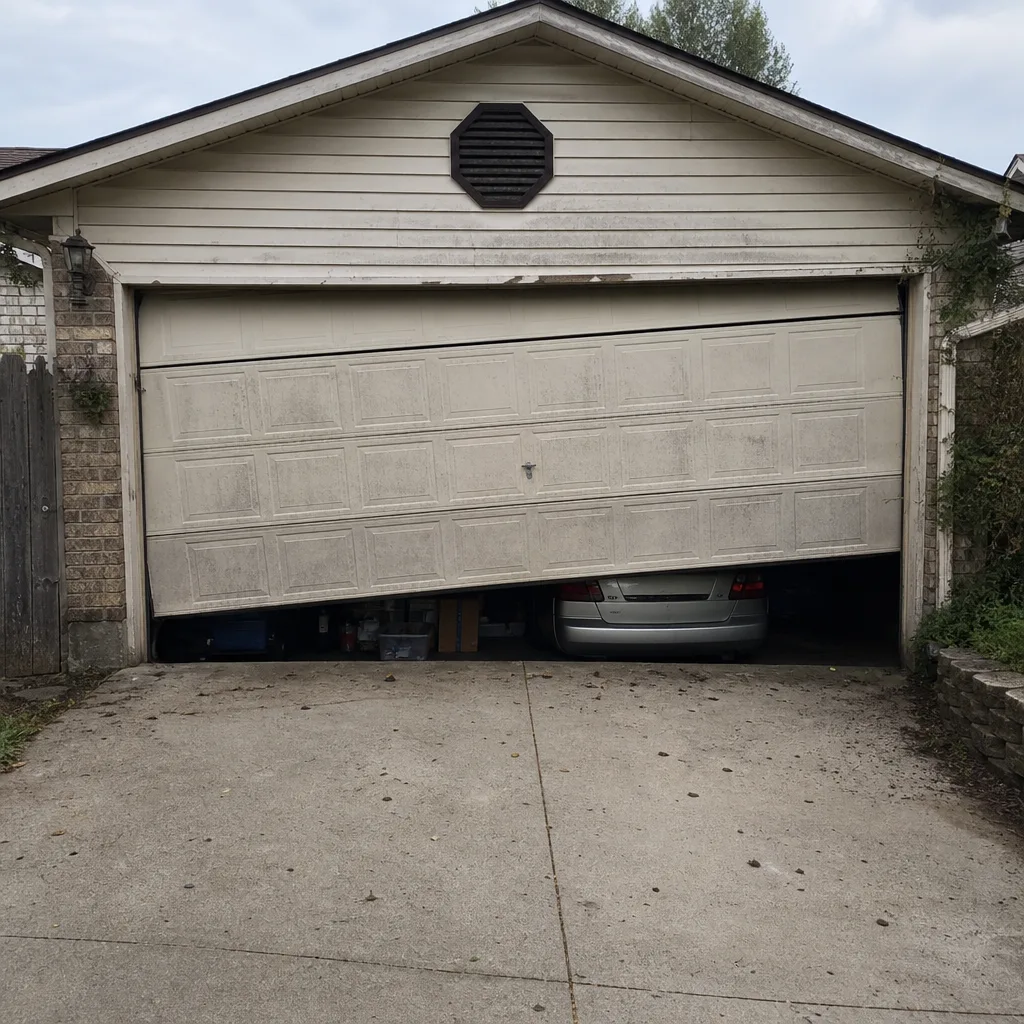
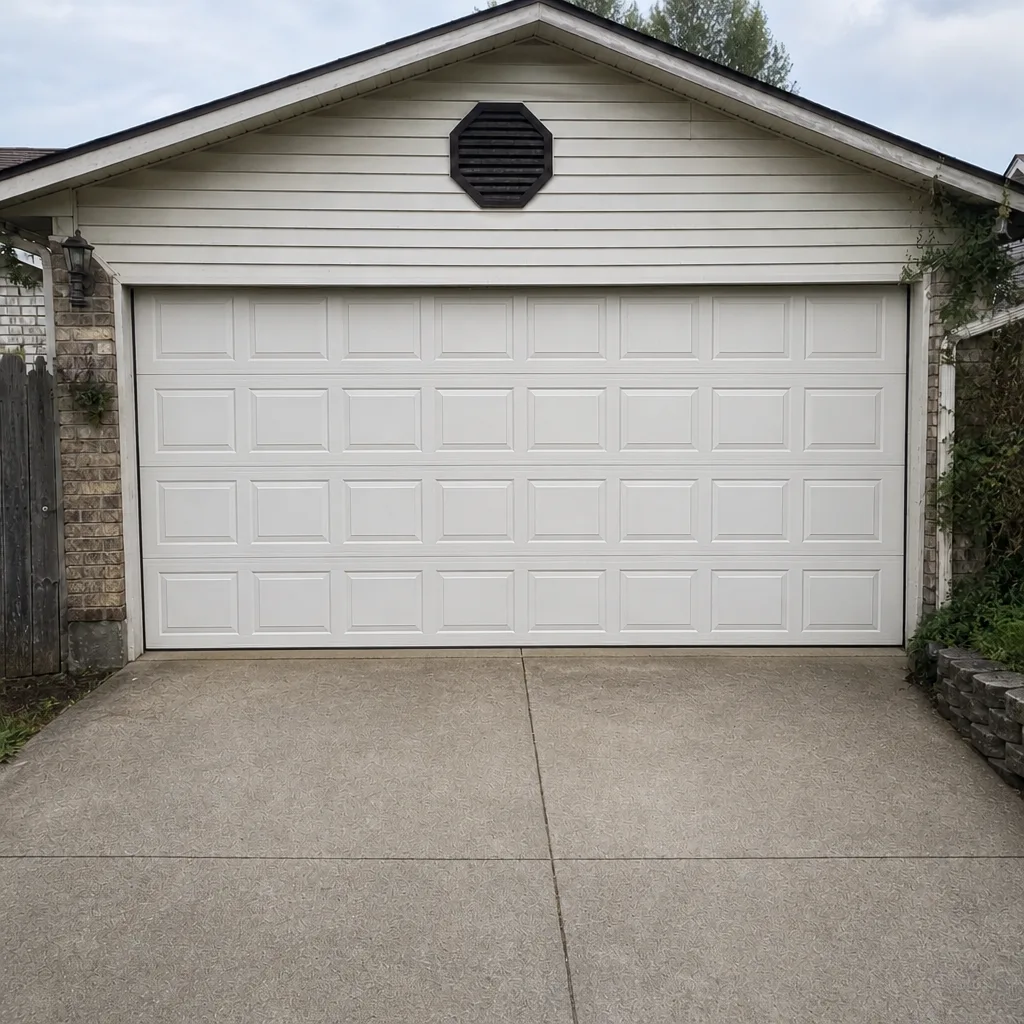
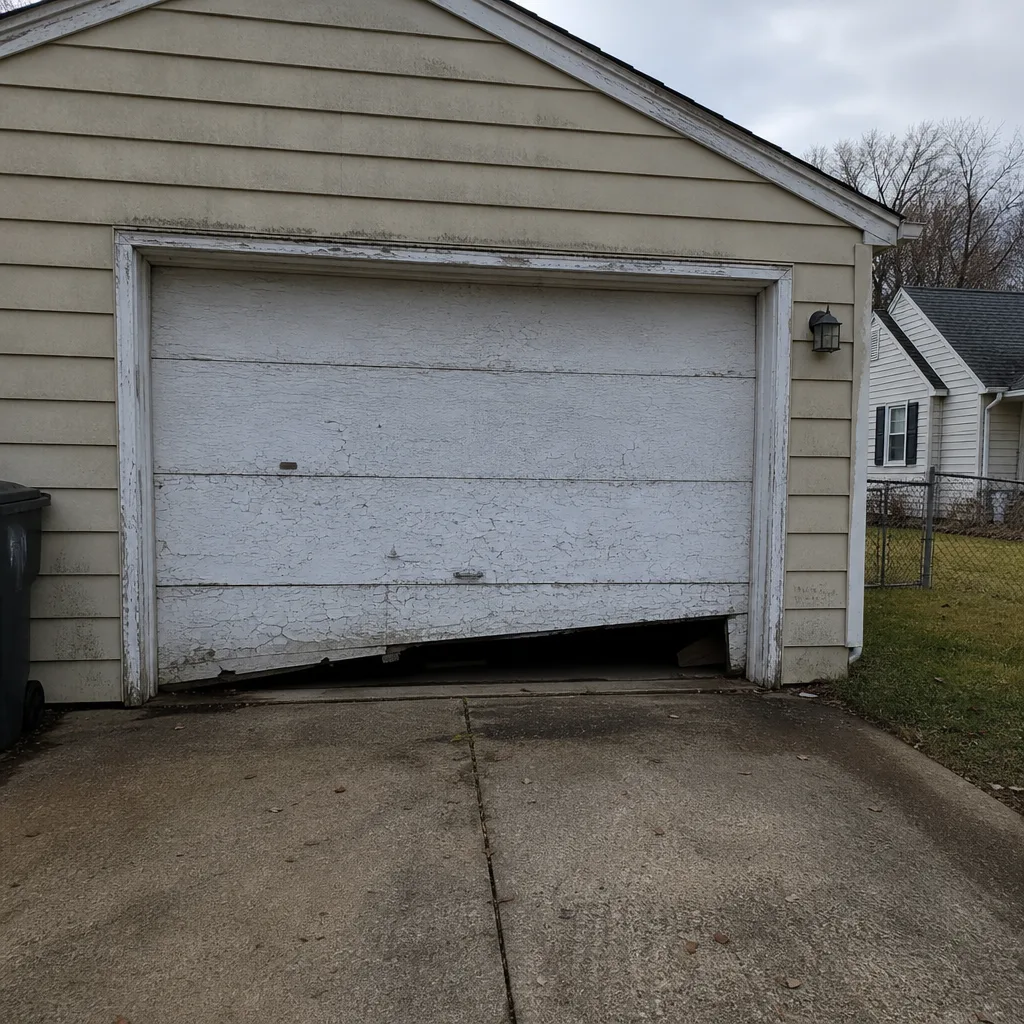
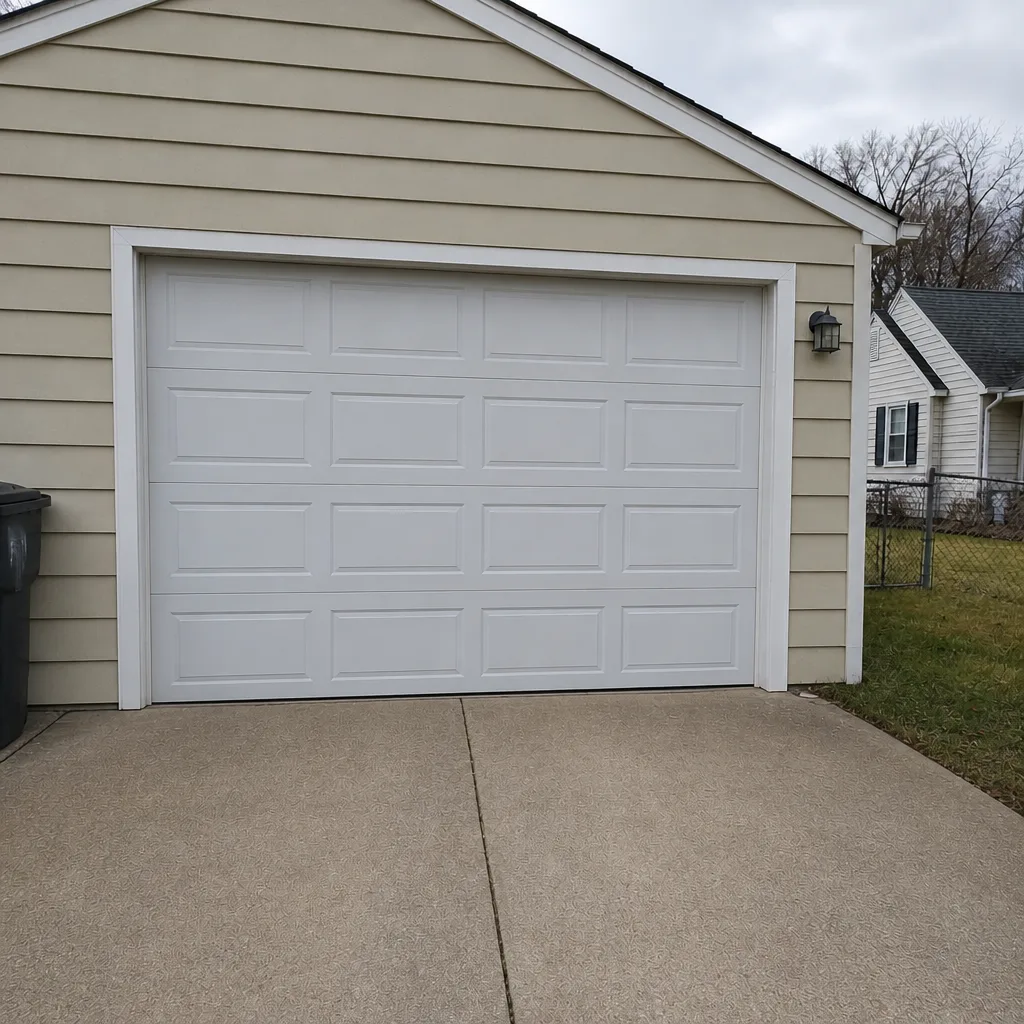
See the difference
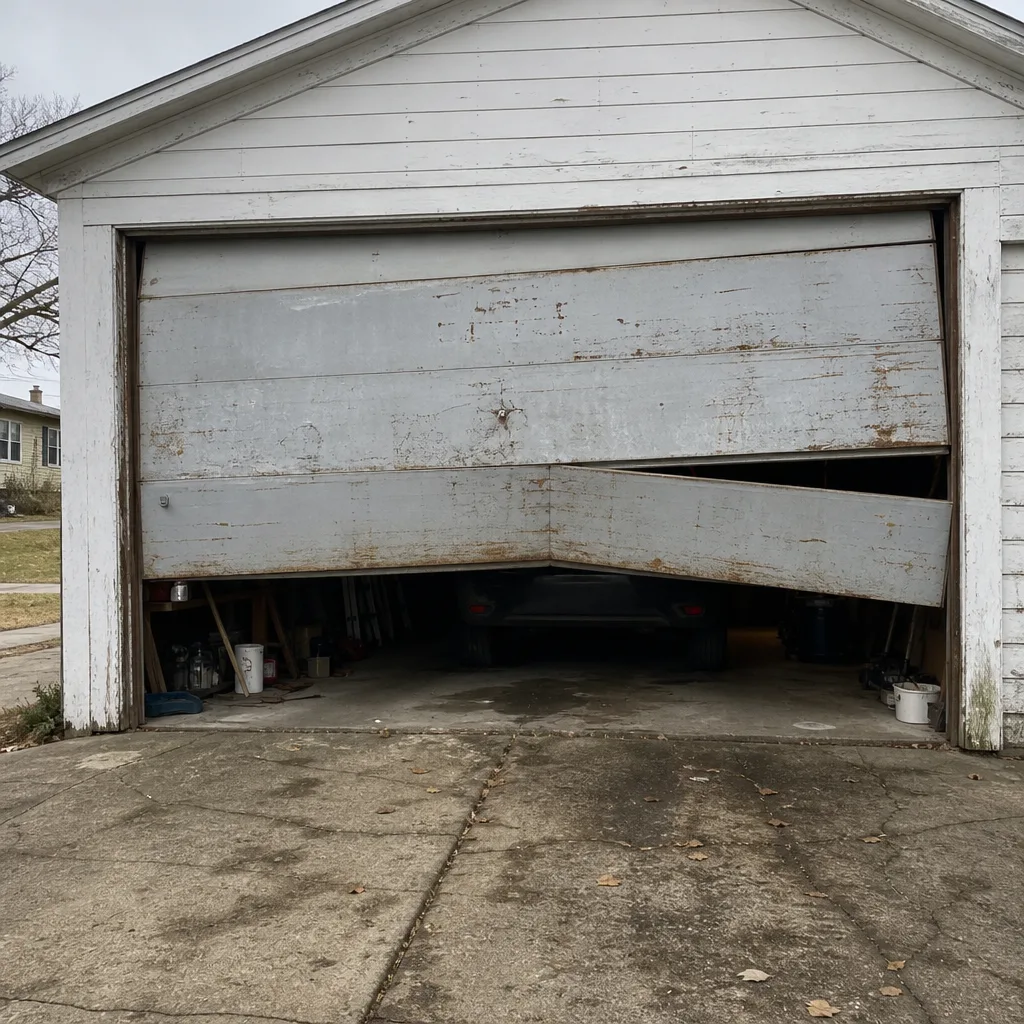 Before
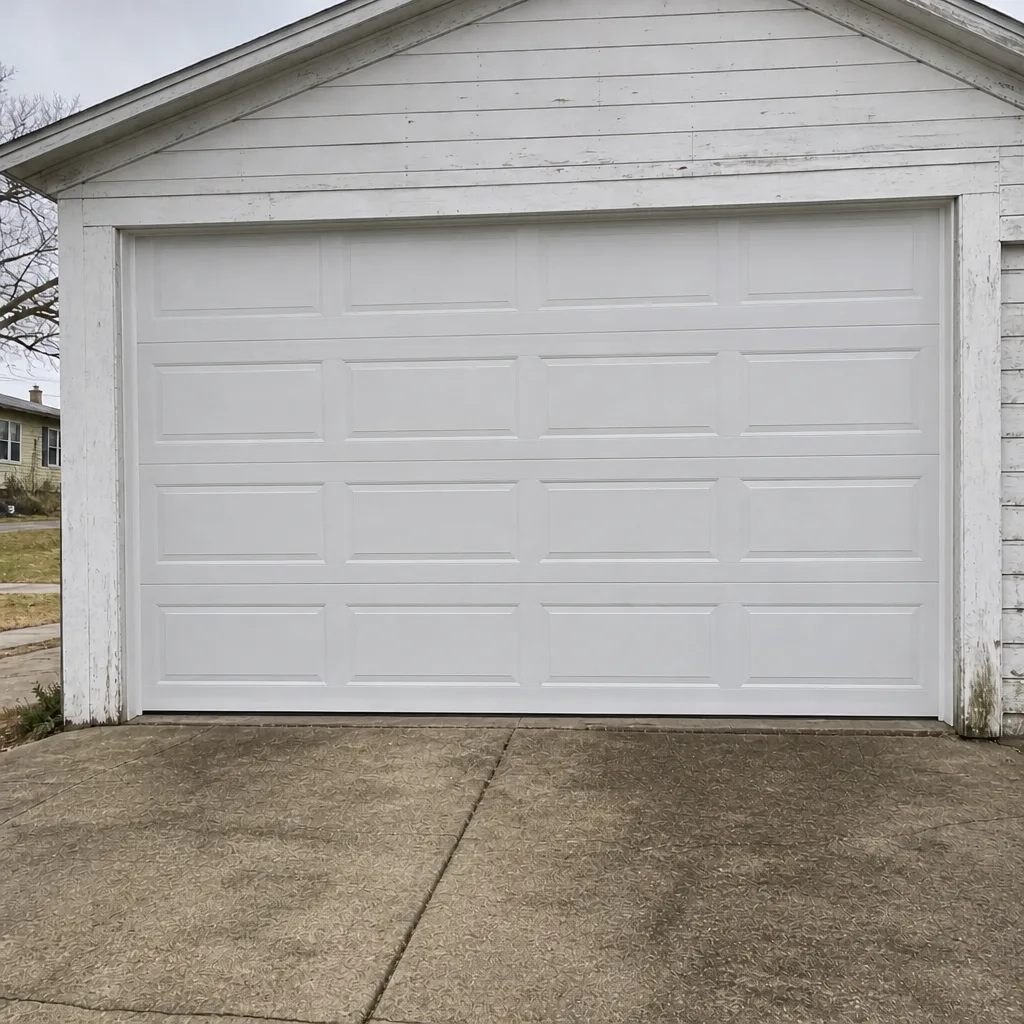 After
 Before
 After
 Before
 After
When to Call a Professional
Some tasks belong on your checklist. Others belong on the phone. Call a professional if your door is noisy after lubrication, if it rises or falls unevenly, if the opener reverses for no reason, or if your balance test shows the door is heavier than last year. Call immediately if you see a broken cable strand, hear a loud bang from the spring area, or notice the door hanging off its tracks. Springs and cables are not DIY repairs; they hold enough tension to cause real harm. If your garage door won’t open, close, or stay closed, that’s exactly what we handle. Middletown Garage Door Repair Experts offers free estimates in Middletown. Call (888) 831-9534. We answer 24/7. Fast dispatch from 7am to 7pm, Sunday through Friday.
Frequently Asked Questions
A garage door should have a professional inspection once a year and a homeowner balance test twice a year. Lubrication happens every six months, and the opener should be professionally adjusted every 12 to 24 months. Call (888) 831-9534 for an exact quote on an inspection, estimates are free.
Yes, for hinges, rollers, and springs, using white lithium grease on metal parts and silicone spray on rubber seals. Never grease the tracks, and never use WD-40 as a long-term lubricant. If you’re unsure which product goes where, call (888) 831-9534 and we’ll walk you through it.
The springs and cables are the most dangerous parts. Both hold significant tension, and a sudden release can cause serious injury. That’s why spring and cable work should always be left to trained technicians. Call (888) 831-9534 for a professional spring inspection.
Watch for these three signs: the door feels heavy when you lift it by hand, it doesn’t stay in place during a balance test, or you notice a gap in the spring coil. Any of those means it’s time for a professional inspection. Call (888) 831-9534 for a free estimate.
Disconnect the opener, lift the door halfway by hand, and let go. A balanced door stays in place or moves slowly. Record the result and compare it to your last test. If the door drifts or feels heavy, call (888) 831-9534 for an inspection.
Yes. A dated log of balance tests, professional visits, and lubrication helps you spot trends in spring tension and supports warranty claims on newer doors. Bring it to your next service call. Call (888) 831-9534 to schedule an inspection.
The Bottom Line
Garage door maintenance isn’t a calendar event. It’s a set of component-specific timelines: springs inspected annually, cables checked every six months, nylon rollers replaced every five to seven years, steel rollers every three to four, and openers serviced every 12 to 24 months. Run a balance test twice a year and record the results so you can compare year over year. Lubricate with the right product for each part, and never grease the tracks. In Middletown, the seasonal freeze-thaw cycle makes fall and spring checkpoints especially important. If you keep a simple log and call a professional when anything feels wrong, you’ll catch most failures before they strand your car. Our technicians have up to 11 years of experience across eight major brands, and we’re here when something needs a trained eye.
Call (888) 831-9534 for a free estimate. We answer 24/7. Fast dispatch from 7am to 7pm, Sunday through Friday.
Written by the team at Middletown Garage Door Repair Experts.