
Last updated November 23, 2026
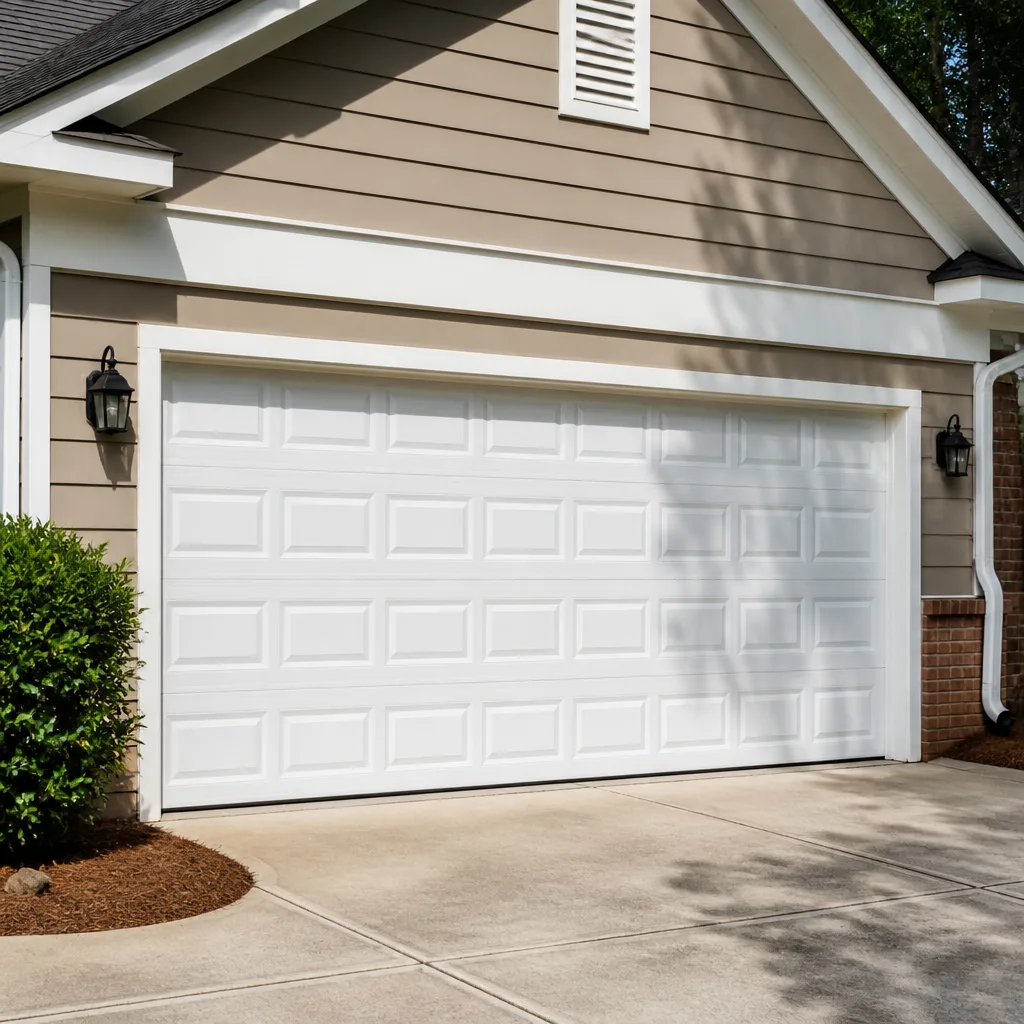 Raised-panel steel
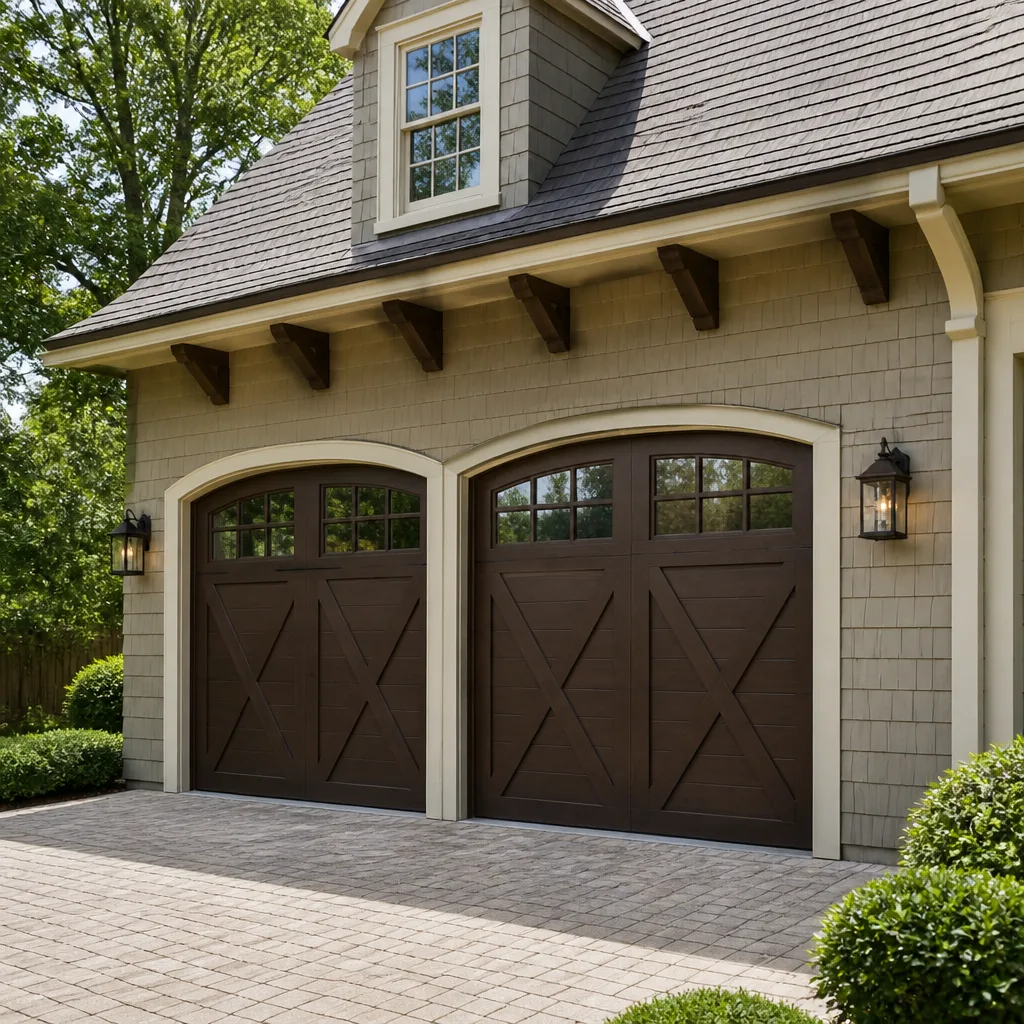 Carriage house
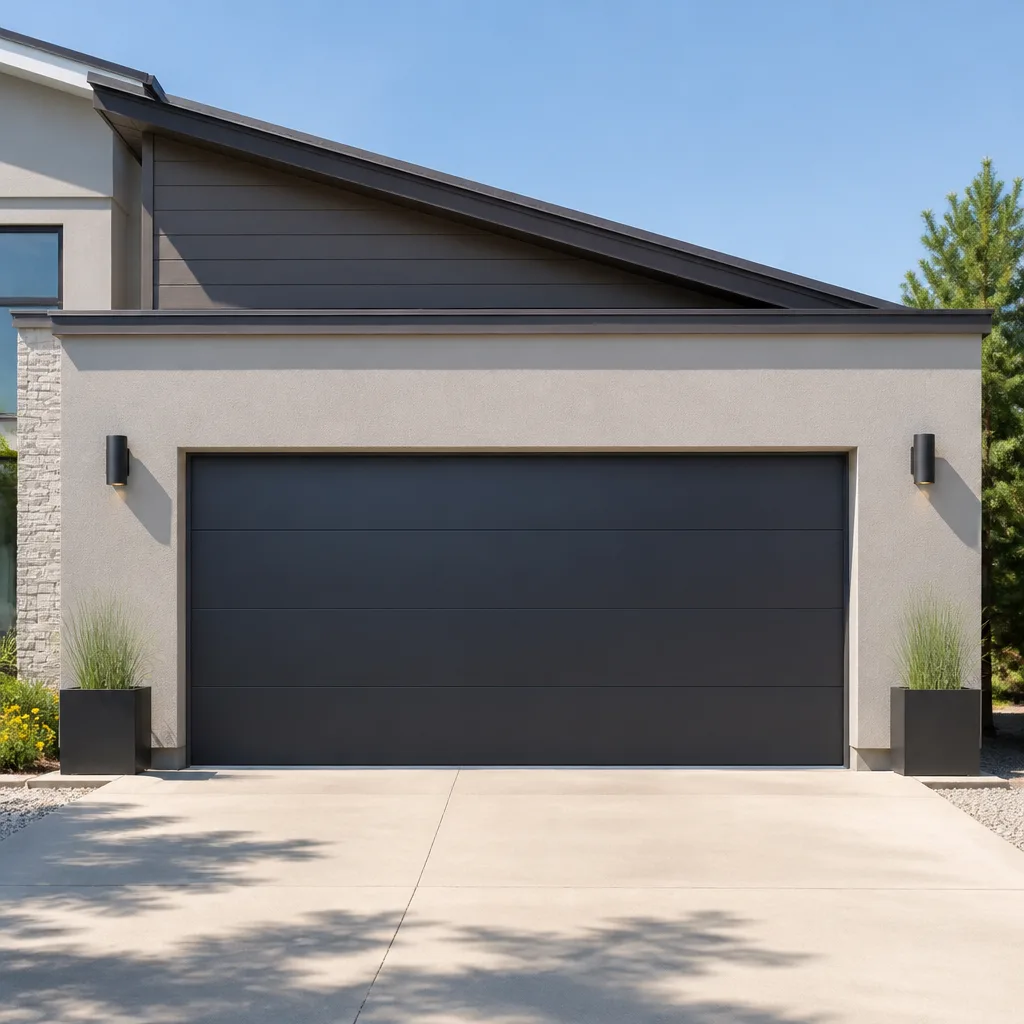 Modern flush
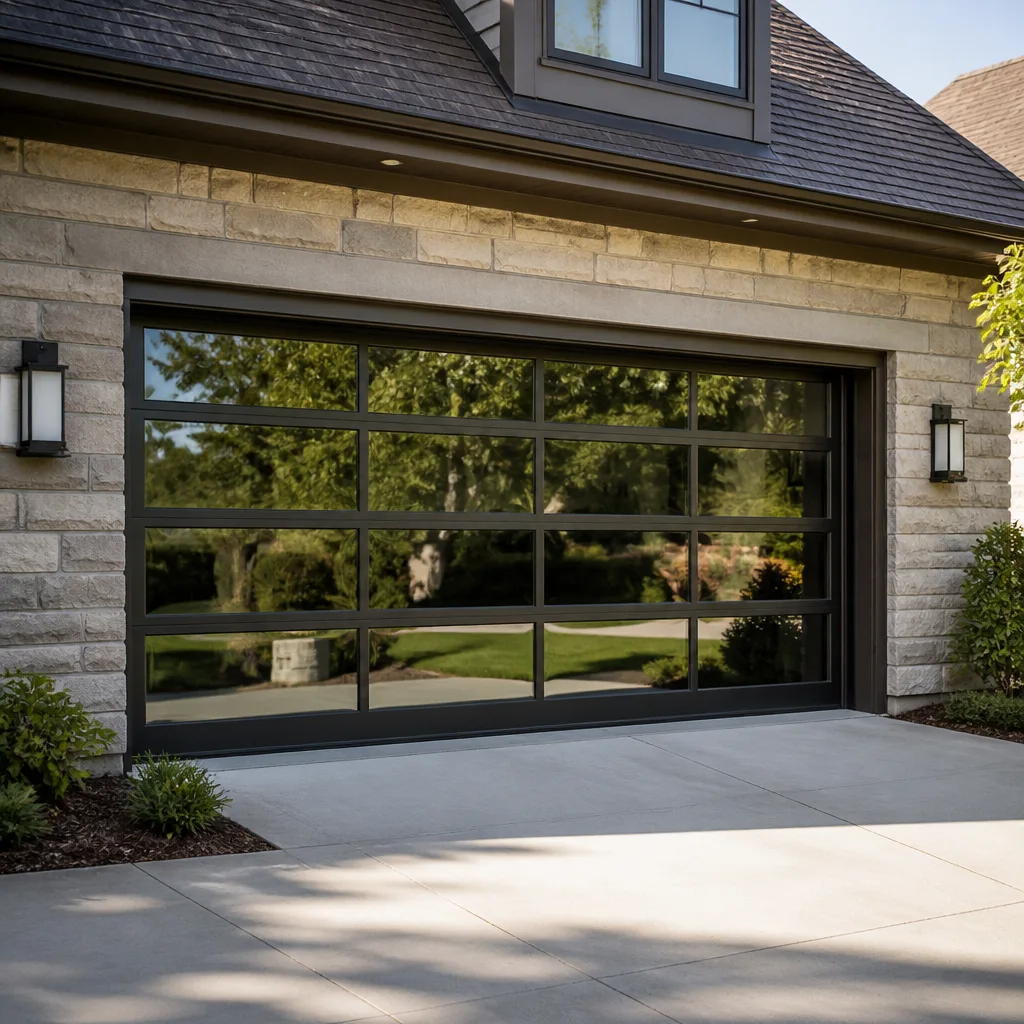 Full-view glass
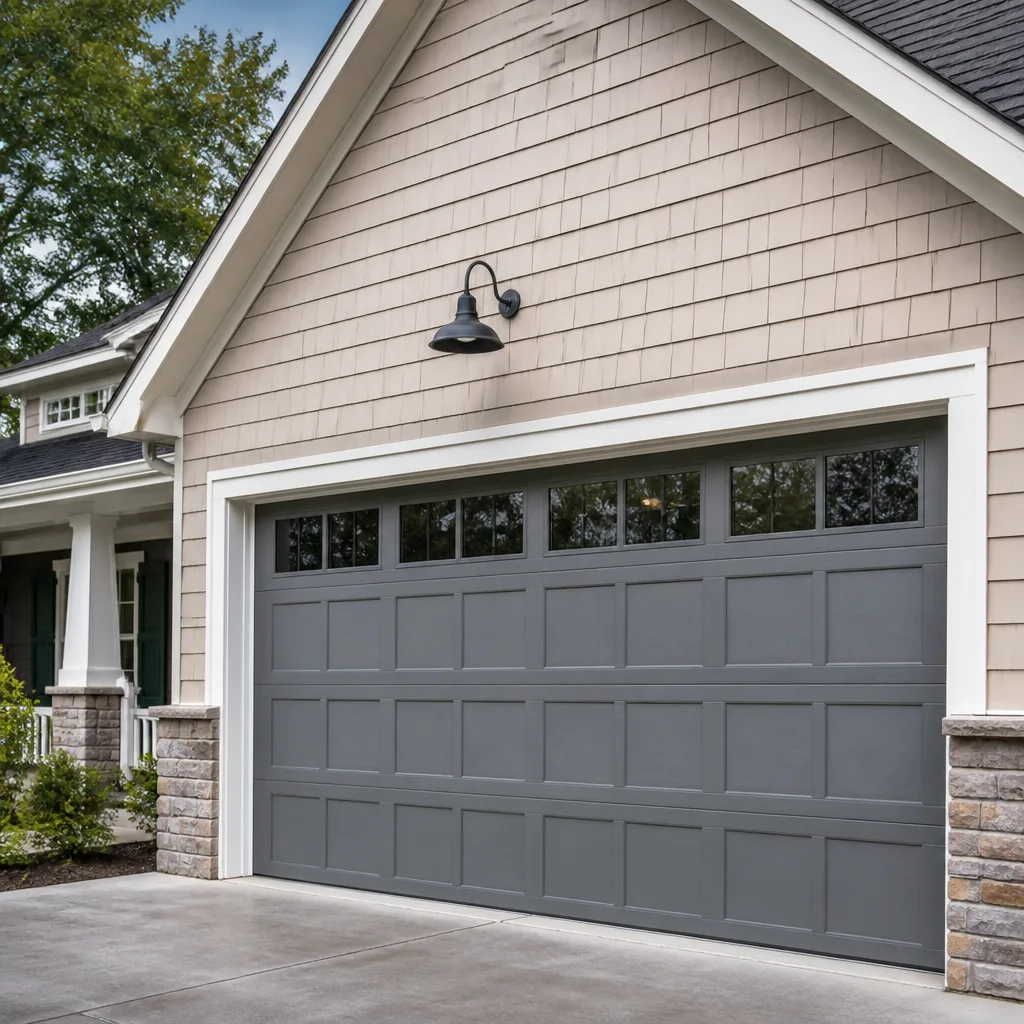 LiftMaster openers
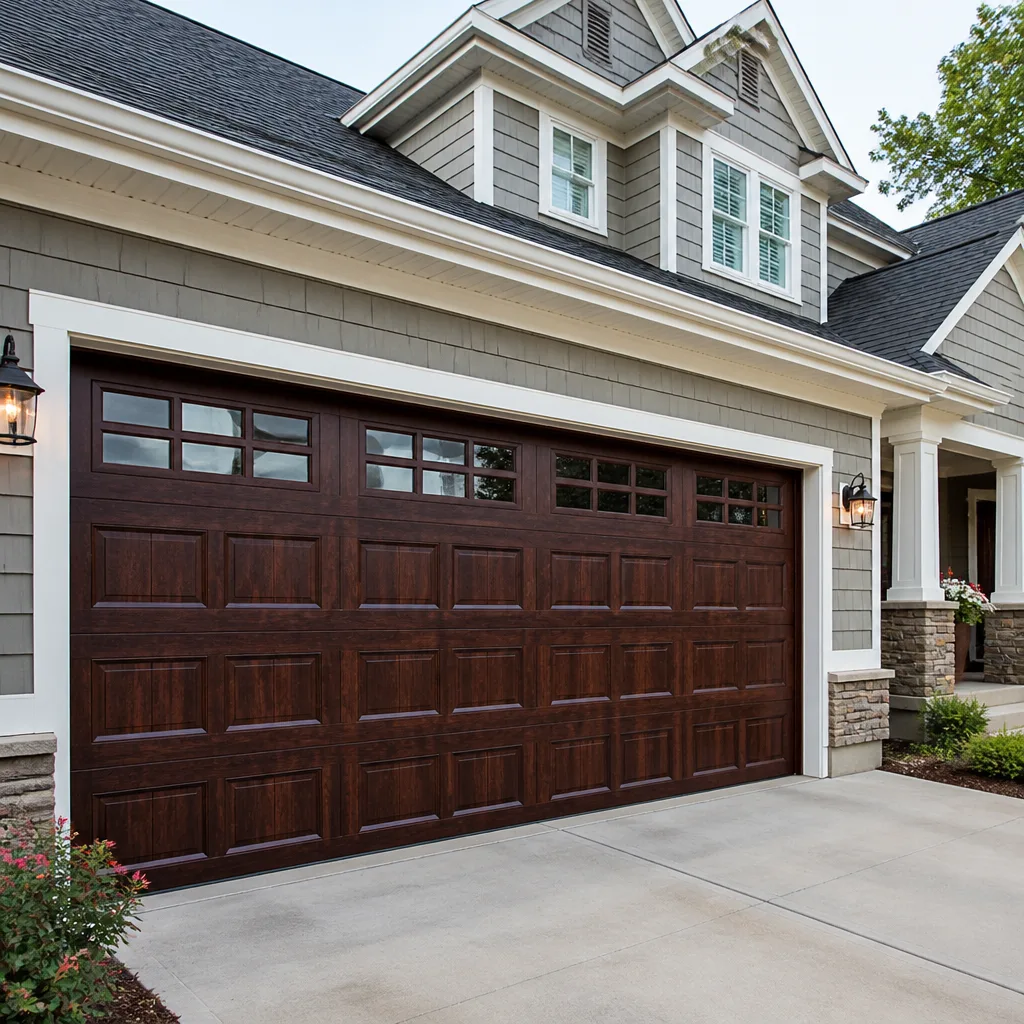 Chamberlain openers
Full 25-point door and opener safety check with every visit - springs, cables, rollers, tracks, and your LiftMaster or Chamberlain opener included
You get a price before we start. It does not change when the pro arrives.
Get your free estimateGarage Door Warning Signs: A Middletown Homeowner’s Reference Guide
“Unusual noises” is the most useless piece of advice in garage door maintenance, and it’s repeated on nearly every page you’ll find. It tells a Middletown homeowner nothing about what to listen for, which part of the door is talking, or whether it’s safe to keep using the garage. The truth is more specific: a grinding sound and a popping sound come from entirely different components, and one of them means stop today while the other means schedule service this week. This guide catalogs the actual symptoms, matches each to its likely cause, tells you how urgent it is, and explains what happens if you ignore it. We’ve put this together from years of hands-on diagnostics, and we’ve organized it around one rule: a warning sign is only useful if it tells you what to do next.
Quick Answer
The most serious garage door warning signs are a door that stops partway or reverses without warning, a door that runs slow on the way down, visible cable slack, and any popping or snapping sound from the springs. Those four point to spring or balance failure and mean you should stop running the door until it’s inspected. Grinding, squealing, and scraping are usually roller, track, or hinge issues and can typically be scheduled rather than stopped. Matching the sound and the visible symptom to the right component is what separates a small repair in Middletown from a major one.
Styles & brands we work with
- Raised-panel steel
- Carriage house
- Modern flush
- Full-view glass
- LiftMaster openers
- Chamberlain openers
Table of Contents
- Noise Taxonomy: What Each Sound Tells You
- Visual Signals Most Homeowners Walk Past
- The “Slow on the Way Down” Symptom
- Works Manually, Struggles on the Opener
- The Stop-Use-Immediately List
- Opener Warning Signs
- Seasonal and Structural Signals in Middletown
- Monitor, Schedule, or Stop: A Decision Framework
Noise Taxonomy: What Each Sound Tells You
Garage doors make noise. The question is which noise. A door that has always rumbled faintly isn’t the same as a door that suddenly started grinding. In our experience, homeowners group every sound into “it’s noisy,” then wait months for the real problem to develop. Here’s how we break it down on an actual service call, and how you can use the same categories to decide whether to call today or next month.
- Grinding – Usually metal-on-metal contact. Most often worn steel rollers that have lost their bearing, or a bent track rubbing the roller. Urgency: schedule soon. Ignored, it chews through tracks and hinges and raises the cost from a roller swap to a track rebuild.
- Popping or snapping – The signature of torsion spring or cable trouble. Torsion springs can pop as they lose tension; cables can snap with a distinctive crack. Urgency: stop using the door. This is the most dangerous sound in the garage and we treat it that way.
- Scraping – A panel or roller dragging against the track or frame. Usually a bent track, a bent hinge, or a door that’s come out of alignment. Urgency: schedule soon, but if the door is binding badly, stop.
- Squealing – Dry hinge pivots, dry rollers, or a dry torsion tube. Urgency: low. It’s lubrication and adjustment work, and handling it early prevents wear.
- Rattling – Loose bolts, loose hinge plates, or a loose top bracket. Urgency: monitor, then schedule. Left alone, the vibration loosens the hinges further and starts stressing the panels.
The important part isn’t the sound itself. It’s the pattern. A noise that appears suddenly, changes after a few cycles, or comes with a visible change in door movement points to a real failure. A noise that has been steady and mild for a long time usually points to normal wear that’s about due for service. When in doubt, the safe move is to call. Our garage door repair line takes calls 24/7, and a two-minute description of the sound is often enough for us to tell you whether the door can stay in use.
Visual Signals Most Homeowners Walk Past
Homeowners look at garage doors every day and never actually see them. The most useful warning signs are the ones you notice only when you’re standing in the right spot. Take two minutes on a normal day and check these, because each one maps to a specific failure that’s already underway.
- Uneven gap at the floor. Stand inside with the door closed. If light shows under one side and not the other, the door is out of balance or one side’s hardware is out of adjustment. An uneven gap also lets water, insects, and cold air into the garage, which is the first thing homeowners in Middletown notice during a wet spring or a cold snap.
- Slack or sagging cable. Both cables should run taut from the drum to the bottom bracket. Any visible slack, a cable off the drum, or a frayed strand means the door can drop without warning. Leave the door closed and get it inspected.
- Rust streaks or grinding marks below a roller. Rust trails running down the inside of a panel usually mean a roller’s bearing has dried out or seized. The rust is the roller telling you it’s failing.
- Bent track sections. A track only needs to bend a small amount to make a door bind. Run your eye down each vertical and horizontal track; a curve or dent stands out once you look for it.
- Frayed hinges or loose bolts. Wobbly hinge plates and threads that show through a nut mean vibration has loosened the hardware, and that vibration starts with an unbalanced door.
- A door that isn’t sitting plumb in the opening. The gaps at either side of the closed door should be even. If one side closes further than the other, the door is racked, and racking gets worse.
None of these need a tool to check, and none require climbing anything. If you can see a slack cable or a badly racked door, that’s a call-a-professional sign. If it’s just light at the floor, it’s a schedule-soon sign, and a technician may be able to sort it in one visit.
The “Slow on the Way Down” Symptom
This is the most misread warning sign on any garage door, and it’s the one we talk about most in Middletown. A door that starts slow going down and speeds up near the floor is not typically an opener problem, even though that’s what homeowners assume. It’s almost always spring wear. Here’s why: torsion springs do the heavy lifting, and the opener’s job is to guide the door, not carry it. When a spring loses tension, the door becomes heavier than the opener expects, and the first symptom is a door that hesitates or moves unevenly.
The tell is the pattern. Spring wear usually shows up as a door that moves sluggishly at the start, gains a little speed at the end, or seems to jog slightly during travel. An opener problem shows up as a door that stops partway, reverses, or doesn’t respond to the remote at all. The distinction matters because the fixes are completely different, and so are the costs. Replace a worn spring and the door returns to normal motion. Ignore the symptom and the opener starts carrying weight it wasn’t designed to carry, which is the fastest way to burn out a motor that didn’t need replacing.
In our experience, the “slow down” sign is also the one that gets the wrong advice on the internet. Search results will tell you to adjust the opener’s sensitivity or force setting. Don’t. That adjustment doesn’t repair the door, it just lets the opener work harder against the same problem, and it can mask a genuine balance issue. The right move is a balance check and spring inspection, and that’s squarely garage door spring repair territory.
If you’re in Middletown and your door has started moving differently, take the strain off it and call. We answer 24/7, and we can tell you whether you’re looking at springs or something else. A free estimate at the door costs nothing and settles the question.
Works Manually, Struggles on the Opener
A door that you can lift by hand but that struggles on the opener is not a minor inconvenience. It’s a safety signal, and it’s the one we take most seriously. The reason is simple: the opener has a force limit designed to stop and reverse the door if it meets resistance. When the door is balanced correctly, the opener barely has to work. When it’s out of balance, the opener meets resistance, and the force limit becomes the only thing standing between the door and a serious injury. A door that’s riding the edge of that limit can lose that protection without warning.
What makes this sign so easy to miss is that it hides. The door works. The remote works. The door goes up and comes down. But the balance test tells a different story. Stand outside the door with it closed and disconnect the opener using the manual release cord. Lift the door by hand to about waist height, let go, and step back. A balanced door should stay roughly where you put it. A door that drops or falls is holding up only because the opener is doing the lifting for it. That’s a balance failure, and the most common cause is a spring that’s lost tension.
A door like this is also the reason we insist on trained technicians for spring and balance work around a home. A tensioned torsion spring holds an enormous amount of stored energy, and releasing or adjusting one incorrectly can cause serious injury. We’re not going to walk a homeowner through that in print, and we won’t do it in person outside of trained, insured technicians. If the balance test failed, back away and call. The Middletown Garage Door Repair Experts team will get a technician out to measure the springs and the door’s balance properly, and give you a written estimate before any work starts.
The Stop-Use-Immediately List
Some signs mean “schedule service.” These five mean “stop operating the door now.” Leave it closed if you can, and call for service. Continuing to run a door with any of these conditions is how a repair measured in hundreds turns into one measured in thousands, and it’s how people get hurt.
- A snapped or visibly sagging torsion spring. A broken torsion spring can leave the door with no counterbalance and a cable under load. Don’t run the opener. Don’t try to lift the door by hand, either.
- Visible cable slack, a cable off the drum, or a frayed cable. Cables are under tension at all times. Frayed strands and slack mean it’s close to failing, and a whipping cable is genuinely dangerous.
- The door stops partway and won’t continue. Either the opener is being overpowered by a mechanical problem, or the door is binding. Both stress the opener and the door’s frame.
- The door reverses immediately after touching the floor. A door that touches down and immediately goes back up is not adjusted right. The safety reverse feature is doing its job, but the root cause is a real alignment or sensor problem that needs to be fixed, not worked around.
- The door won’t stay closed, or drops shut. A door that closes under its own weight, or falls when released, has lost its balance. Running it risks injury and can damage the panels, hinges, and opener motor.
Notice that “run it a few more times to see” is not on the list. It isn’t on the list for a reason. On each of these conditions, every cycle adds stress to the parts that are already close to failure. If you’re in Middletown and any of these apply, call for service first. We answer 24/7, and a door that’s left a home unsecured or trapped a car is exactly the situation our emergency garage door service is built for. A technician will arrive, assess the door, and set a written price before touching it.
Opener Warning Signs
Openers fail slowly, and the early signs are subtle. A good habit is to listen to the opener itself for a couple of seconds on the next few cycles. The opener is a Genie or a LiftMaster or a Chamberlain myQ, and each of those systems has its own sound profile. Once you know your own opener’s baseline, the changes stand out.
- The door doesn’t respond, but the opener is still running. If you hear the motor but the door doesn’t move, the issue is between the opener and the door: a broken spring, a stripped gear in the opener, or a disconnected linkage. The fix depends on which one it is, and a trained technician can usually tell in minutes.
- The remote range drops off. Remote range shrinking from the street to a few feet from the door is usually an antenna wire issue, a dying battery in the remote, or a controller problem. Since many openers in Middletown run smart systems, a Wi-Fi or app connection that drops regularly belongs on the same list. That’s a garage door opener repair job, not a door job.
- The opener lights flash or the motor stutters. Flashing lights often mean the safety sensors have been interrupted, and stuttering usually points to a worn drive gear or a voltage issue. Neither improves on its own.
- The opener works only from the wall switch. The wall switch works but the remote doesn’t, or the other way around. That’s a control board issue and needs a diagnosis rather than a part swap.
- The door reverses before it reaches the floor. Assuming the sensor path is clear (check for a leaf, a toy, or a spider web across the sensors), the opener’s travel limits are set wrong. We adjust them rather than resetting them to “make it work.”
One of the reasons we’re comfortable with openers across the board is that our technicians are trained on the leading systems including LiftMaster and Chamberlain myQ, plus Genie and the older Craftsman models that are still common around Middletown. We’d rather diagnose the electronics properly than swap parts and hope.
Seasonal and Structural Signals in Middletown
Garage door hardware responds to the local climate, and that matters in Middletown. The cold, wet winters and the humid stretches through the rest of the year put cycles of contraction, expansion, and moisture exposure through every door’s hinges, rollers, and panels. That doesn’t mean the door is failing, but the symptoms show up in patterns.
- Harder movement in cold weather. Steel, aluminum, and the parts around them react to temperature changes. If the door only struggles on cold mornings and loosens up by the afternoon, that’s a seasonal signal that the springs and rollers are circulating near their capacity.
- Occasional condensation and rust on the inside of the panels. Middletown’s wet weather keeps the garage interior more humid than many homeowners expect. Rust streaks near rollers are an early sign to get them checked before the bearing seizes.
- Shifting floors and frames. Over time, ground movement around a home can settle the garage slab or shift the framing around the opening. That’s why we look at the whole opening, not only the door, when something’s off. If you notice a door that suddenly needs a different force setting or a track that’s no longer straight, the frame movement is as relevant as the door hardware.
- Doors that haven’t run all winter. A door that sat unused for months can develop stiff hinges and dry rollers. Run a cycle before the first big shopping trip of the season and listen. It’s cheap insurance.
Middletown’s housing runs the full spread from older single-car garages to newer two-car setups, and that’s why a single answer rarely fits. An older door on worn steel rollers has a different schedule than a newer Clopay or Amarr panel door with modern hardware. If the door is still under ten years old and has been well maintained, most seasonal issues are simple. If it’s older and hasn’t had a balance check in years, it’s worth having a technician look.
Monitor, Schedule, or Stop: A Decision Framework
The most common question we get from Middletown homeowners is some variation of “Is this bad enough to call?” The answer isn’t always yes, but there’s a reliable way to decide. We use a simple three-tier system on every service call, and it works just as well for a homeowner doing a five-minute walk-around.
- Monitor. The door runs smoothly, the symptoms are mild and steady, and nothing has changed suddenly. Squealing hinges, a faint rattle, or a slight seasonal change are typically monitor-tier. Keep checking them; if they get worse, move up a tier.
- Schedule. The door runs but something has changed. The sound is new, the gap at the floor is uneven, the door is slower than it used to be, or the opener stutters. Schedule a service call at your next available slot. The cost usually stays in the repair range if the problem is addressed quickly.
- Stop. Any item on the stop-use-immediately list above, plus anything that feels unstable or produces a sudden popping or snapping sound. Stop operating the door and call for service today.
Run the same walk-around twice a year. Check the balance test, listen on a full cycle, stand inside with the door closed, and look for light under the door. Write the date down. A problem found today is more often a small repair than a big one, and the difference in cost usually isn’t subtle.
Common Mistakes to Avoid
- Adjusting the opener’s force setting to get past a slow or heavy door. The force setting exists to stop the door if it meets resistance; raising it masks a balance problem and removes a safety net. It also keeps the opener working hard against a door it was never meant to carry, and that shortens the motor’s life.
- Trying to replace a torsion spring as a weekend project. Springs are the most dangerous part of a garage door system. Trained technicians have specific tools and procedures for a reason. Attempting spring work without them risks serious injury, and it’s the single most common DIY injury we hear about in this trade.
- Ignoring a door that works on the remote but won’t lift by hand. That’s a balance failure, not a convenience issue. If the opener is doing the lifting, the door is riding the edge of the safety limit every time it runs.
- Assuming a slow-moving door is an opener problem. Most of the time it’s a spring issue, and replacing the opener instead is money spent in the wrong place. A technician’s first step is always a balance and spring check, not an opener swap.
- Leaving a door in the stopped position with the car inside and assuming the only impact is inconvenience. A stopped door left in place can’t be opened or closed safely, and a door that’s not closed leaves the garage unsecured. That’s the reason emergency service exists.
- Spraying lubricant on the tracks. Garage door tracks should be kept clean and dry. Lubricant on the tracks attracts grit and can cause the rollers to slide instead of roll. If you want to handle minor maintenance yourself, lubricate the hinges, rollers, and the torsion tube at the spring, not the track surface.
- Choosing a handyman for spring or cable work. Springs, cables, and the spring anchor point carry very high tension. That’s trained-technician work, not generalist work, and choosing the wrong person often adds a second call.
See the difference
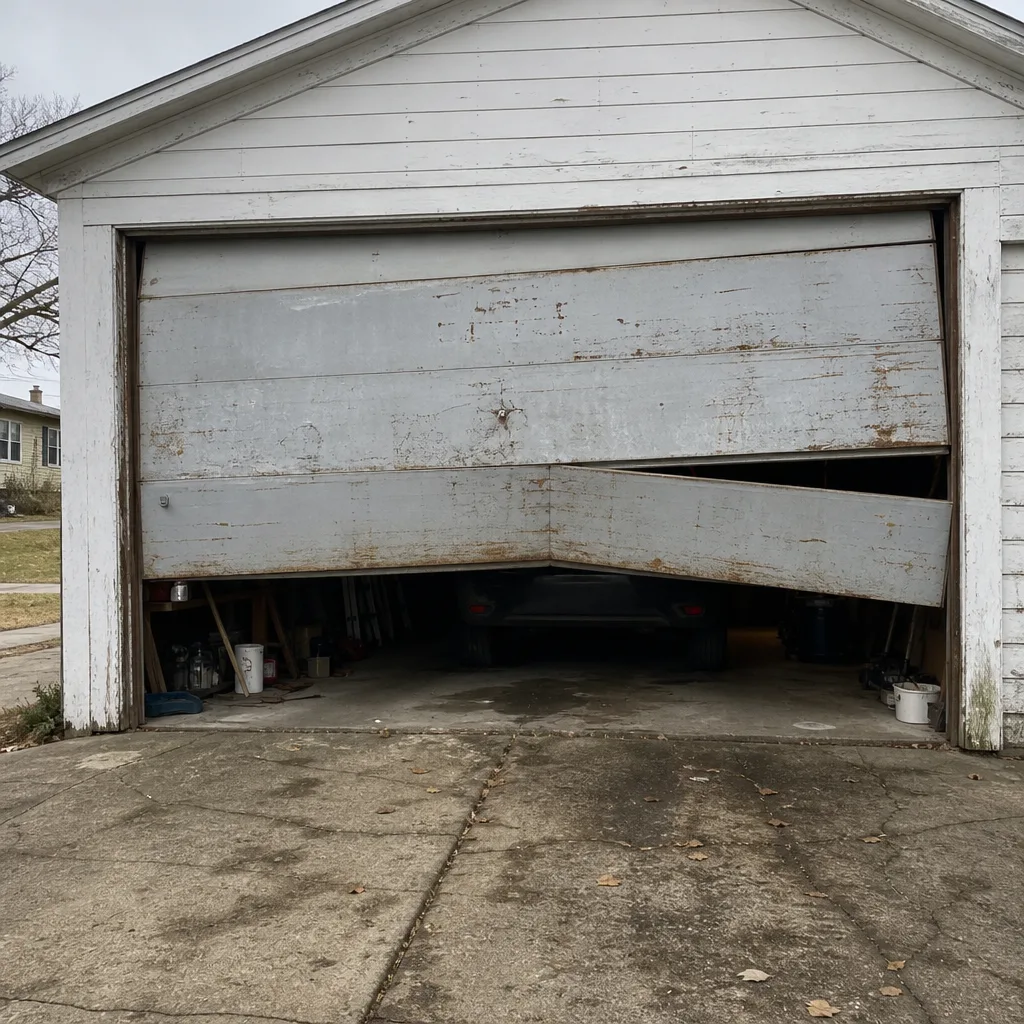 Before
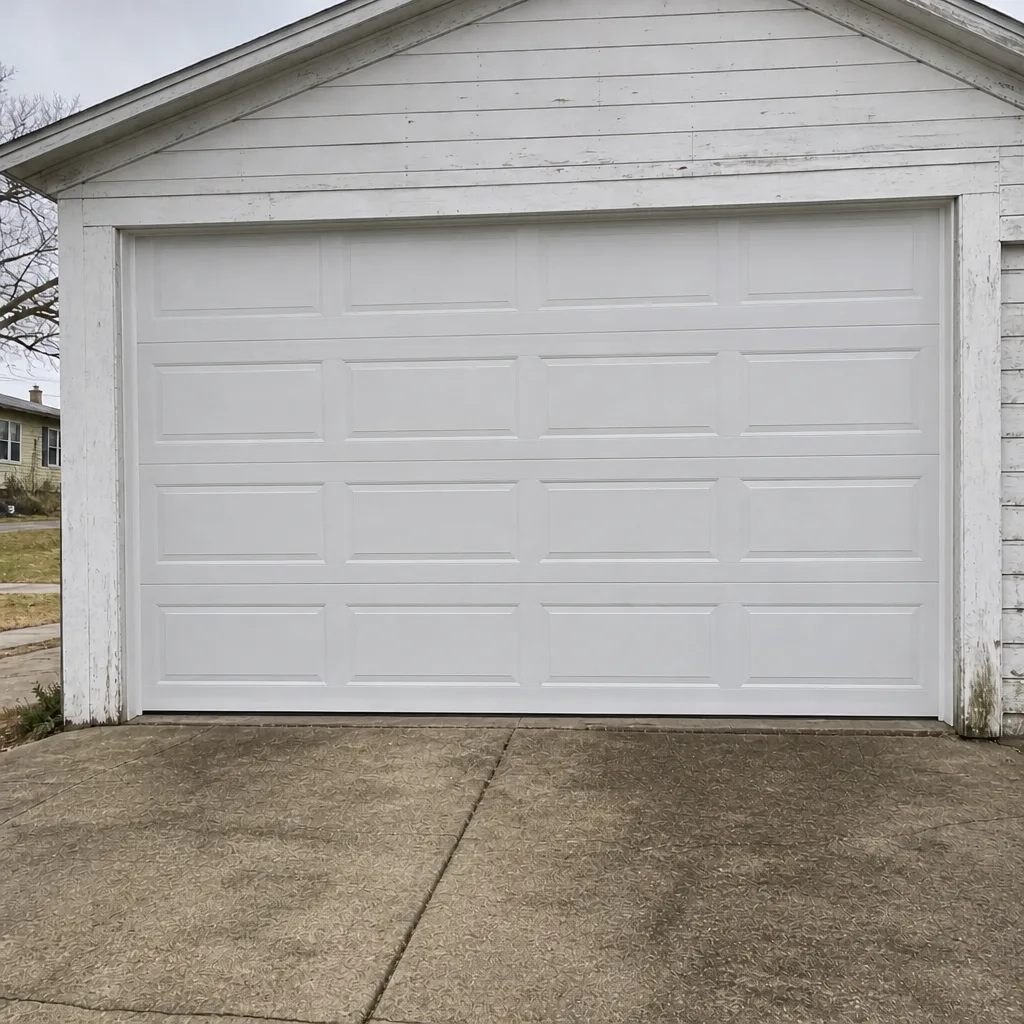 After
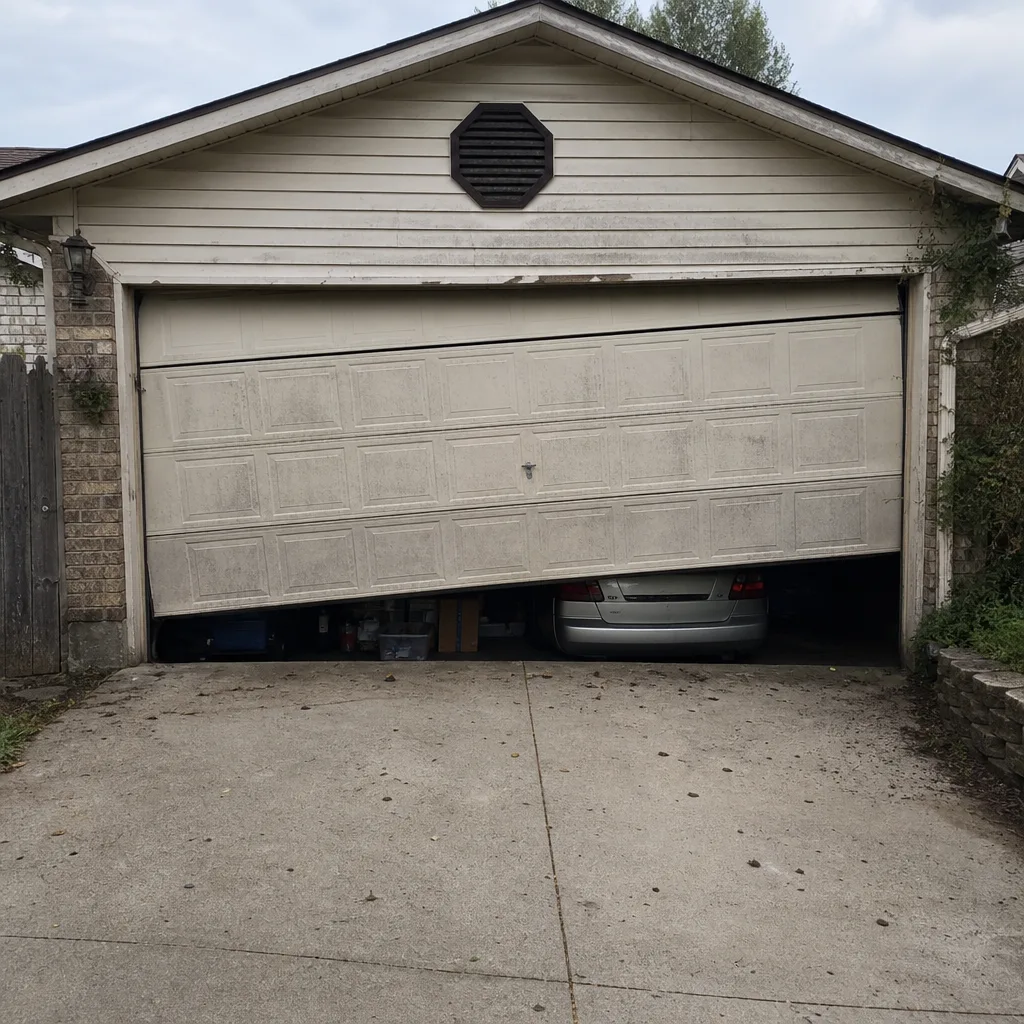 Before
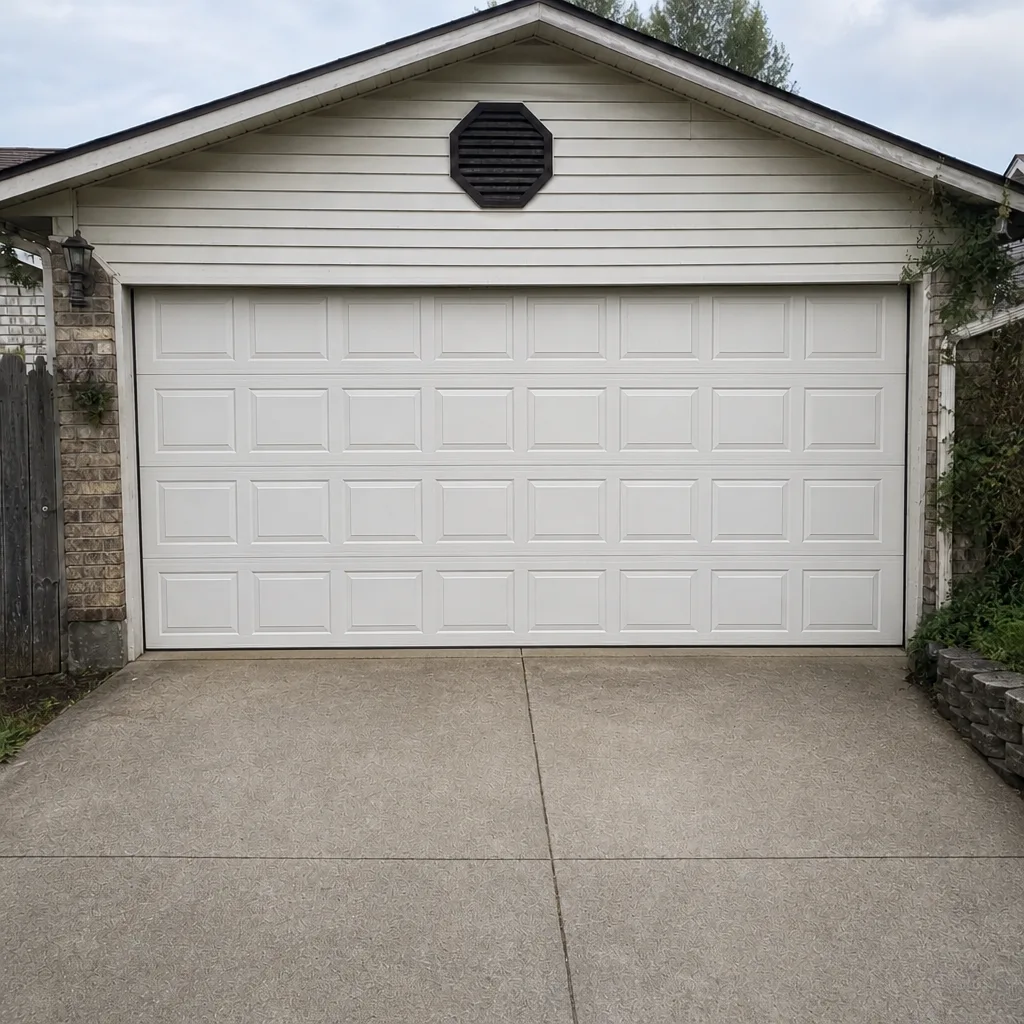 After
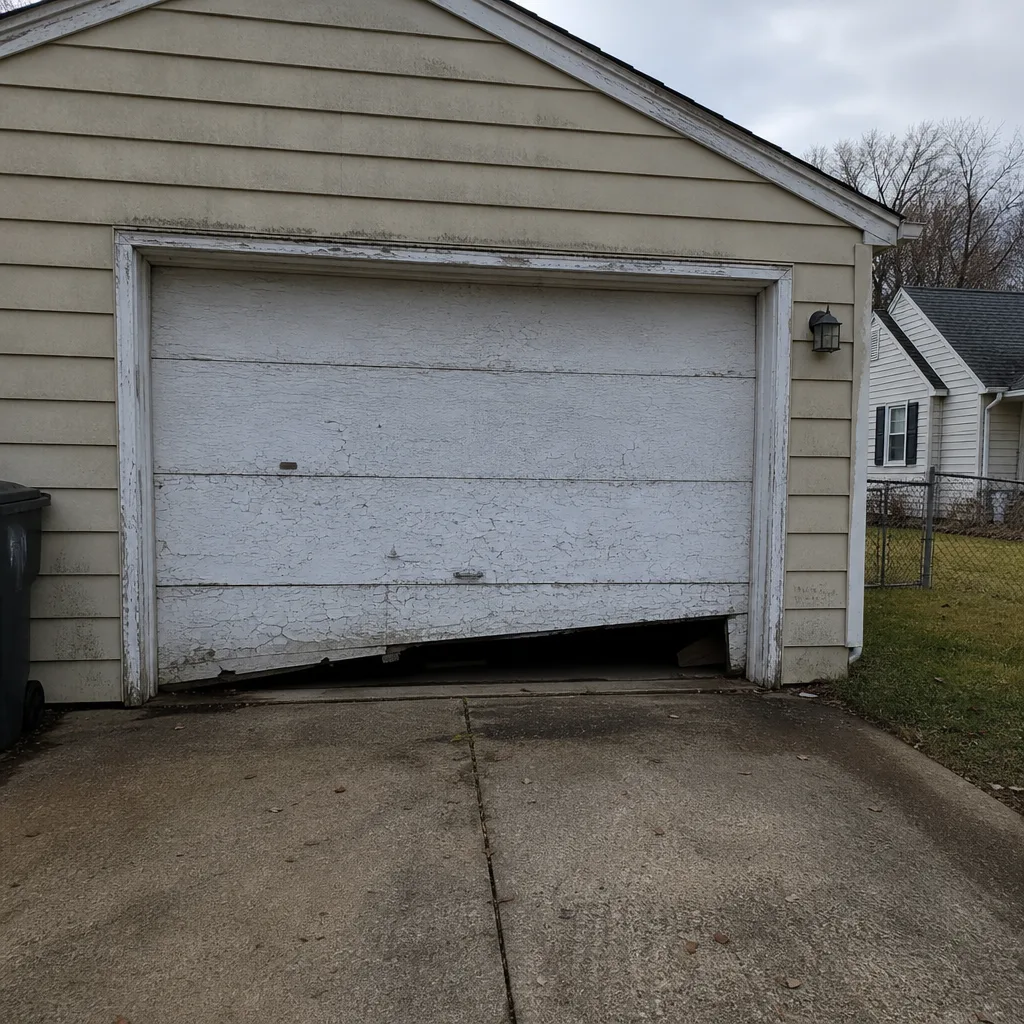 Before
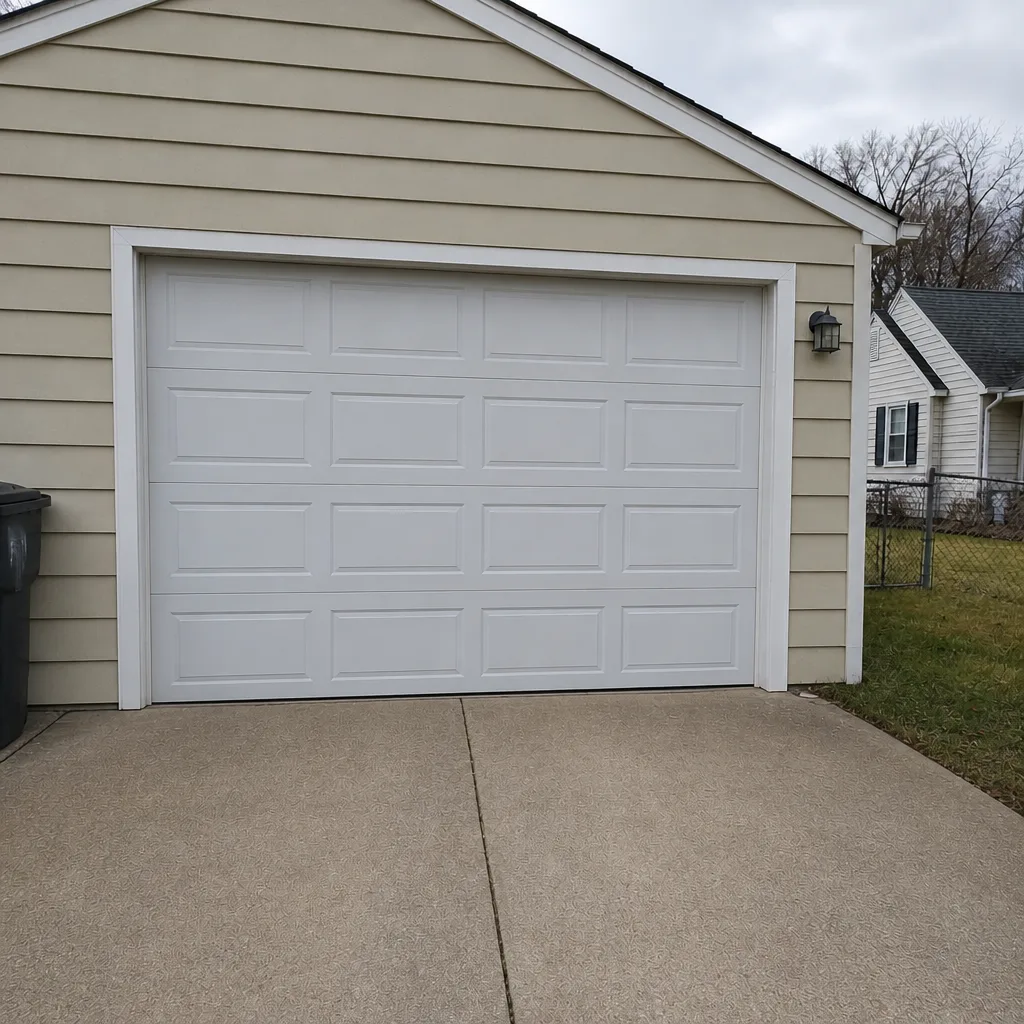 After
When to Call a Professional
The short version: call when the door stops moving safely, when it makes a popping or snapping sound, when it’s slow on the way down, when a cable looks slack or frayed, or when the opener works but the door doesn’t. Any of those is a stop-tier signal and worth a service call. The longer version is that any change you don’t understand is worth a call. The cost of a diagnostic visit and a written estimate is small next to the cost of damage that continues to spread, and Middletown Garage Door Repair Experts offers free estimates in Middletown. Call (888) 831-9534. We answer 24/7, and fast dispatch from 7am to 7pm means the door usually gets looked at the same day. A technician will walk through the door, test the balance, and quote the price in writing before any work starts.
Frequently Asked Questions
The most consistent signs are a door that runs slow on the way down, a door that won’t stay open when you lift it by hand, and a popping or snapping sound from the spring area. Those three point to a spring that has lost tension and is close to failing. If you see any of them, stop running the door and call for service. Ignoring spring wear is how a small repair grows into an opener replacement.
Not necessarily. A door that opens and closes can still be completely out of balance, and the opener will be compensating for it on every cycle. The only reliable test is the manual release and lift test: if the door drops when released, it’s a safety issue. If you did that test and the door dropped, call (888) 831-9534 for a free estimate before you run it again.
The most common cause is a safety sensor interruption, usually a small object, debris, or a misaligned sensor. Check for anything in the way and wipe the sensor lenses. If the reverse happens consistently, the travel limits or the sensor alignment need adjustment by a technician. Call for a free estimate; it’s a quick fix once someone can look at it.
Yes, on the safe checks only. You can look for light under the door, listen on a full cycle, check for slack cables, look for rust below rollers, and do the balance test with the opener disconnected. Do not attempt any spring, cable, or opener force-setting adjustments yourself; those carry real injury risk. Call (888) 831-9534 and let a trained technician handle the rest.
Twice a year is a reasonable baseline for most Middletown homes, given the seasonal shifts and the cold, wet winters. Doors that run multiple times a day, older doors on worn hardware, and doors that haven’t had a professional balance check in years are worth a professional inspection sooner. If a symptom shows up between inspections, don’t wait for the calendar. Call (888) 831-9534 for a free estimate.
Sometimes, and the sound tells you which. Grinding, scraping, and squealing almost always point to rollers, tracks, or dry hinges, and those can be scheduled. Popping, snapping, and a sudden bang point to springs or cables, and those are stop-tier. If the sound is unfamiliar or came on suddenly, call (888) 831-9534 for a free estimate so a technician can identify it properly.
We answer 24/7. A call outside dispatch hours is booked into the next opening, Sunday through Friday, 7am to 7pm. If the door has trapped a car or left the home unsecured, tell the person who answers; that’s exactly what our emergency service is for. Call (888) 831-9534.
The Bottom Line
Garage door warning signs are only useful if they tell you what to do next, and the framework is simple: monitor, schedule, or stop. Squealing and mild rattling are usually monitor-tier. Grinding, scraping, and a slow or uneven door are schedule-tier. A door that drops, a slack or frayed cable, a snapped spring, and a door that stops partway are stop-tier, and they should be treated that way. The single most useful habit is a twice-yearly walk-around: run the balance test, stand inside with the door closed, and listen on a full cycle. In Middletown, where cold, wet winters keep the hardware busy, that five-minute check does more than any app or add-on. If anything on the list shows up, call us. We’d rather tell you it’s a small fix than hear that it grew into a bigger one.
If you’re ready to have your garage door checked, Middletown Garage Door Repair Experts provides free estimates in Middletown. Call (888) 831-9534. We answer 24/7, with fast dispatch from 7am to 7pm, Sunday through Friday. Our technicians have up to 11 years of experience, and they work on the brand you already have, from Genie and LiftMaster through Clopay and Wayne Dalton. Whatever the door is telling you, one call covers the door, the opener, and the springs.
Written by the team at Middletown Garage Door Repair Experts.