
Last updated November 23, 2026
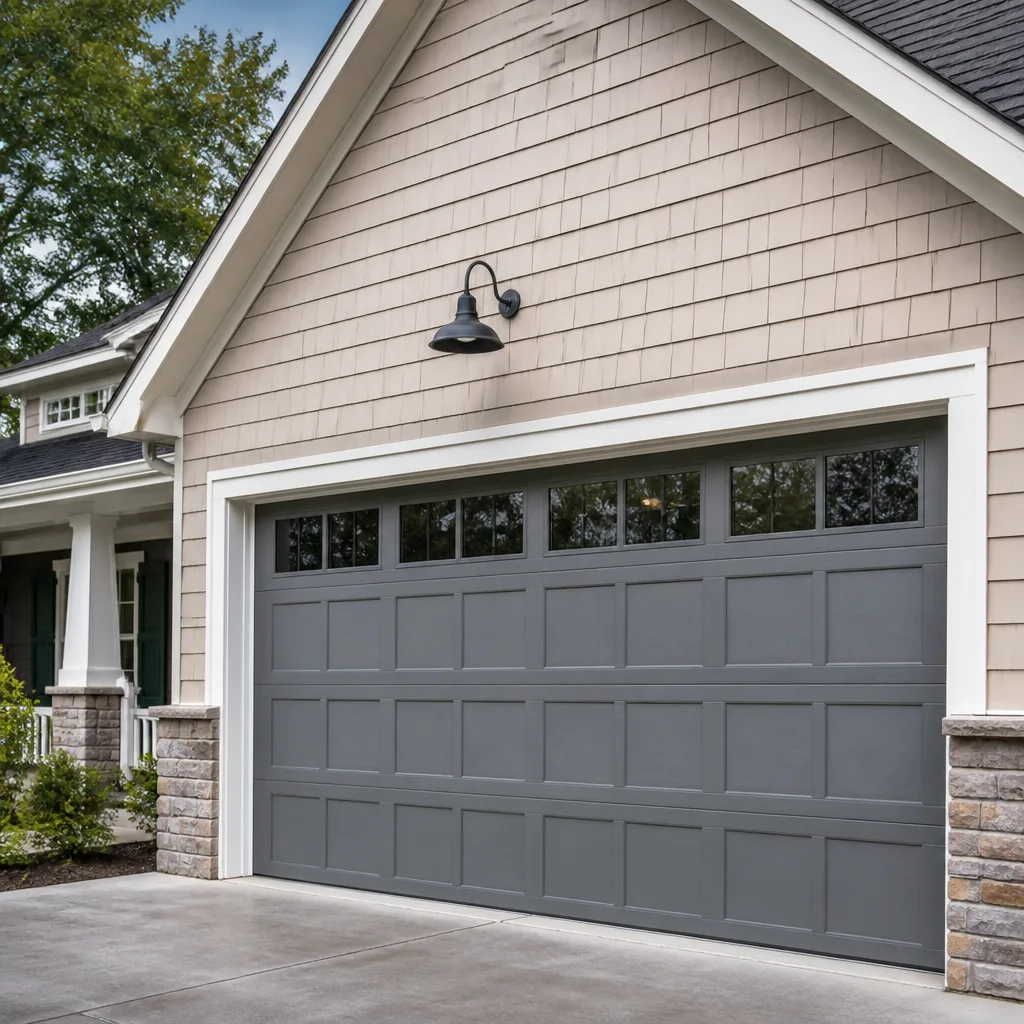
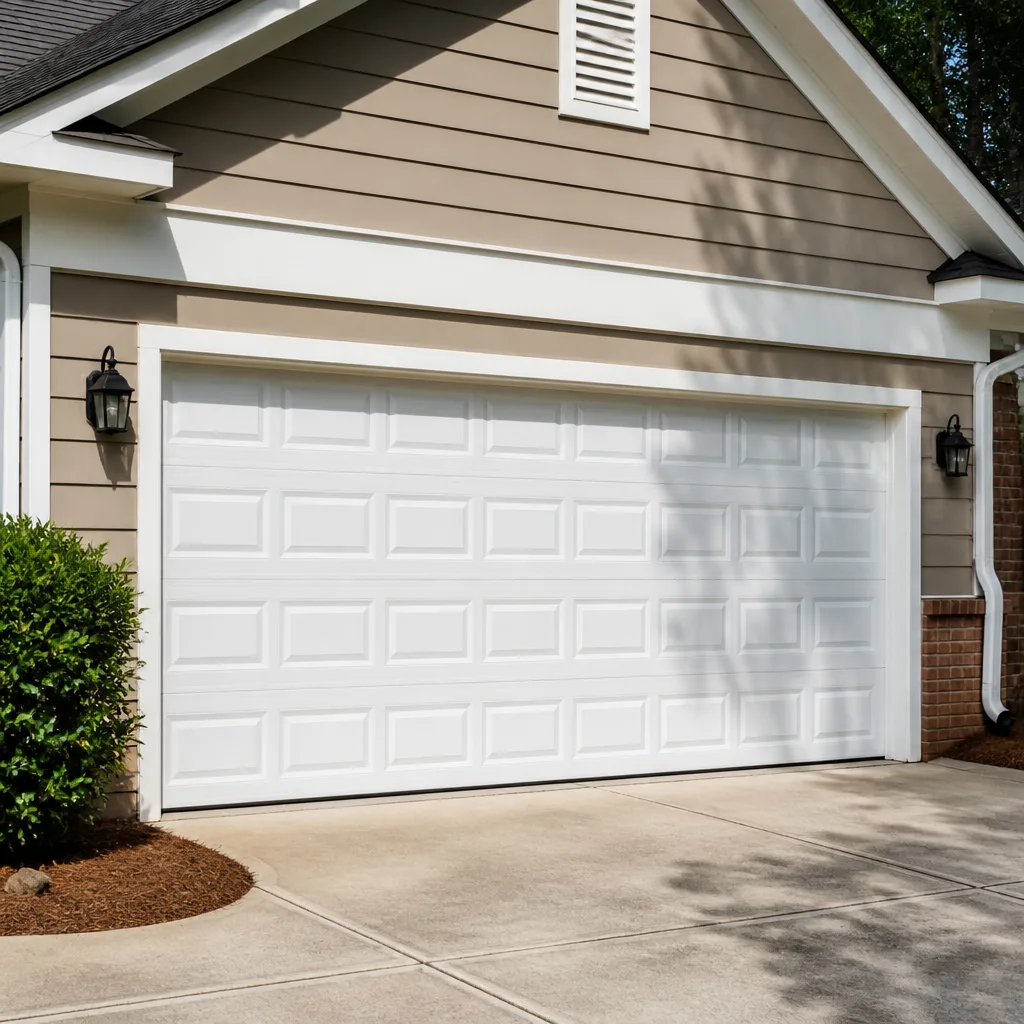 Raised-panel steel
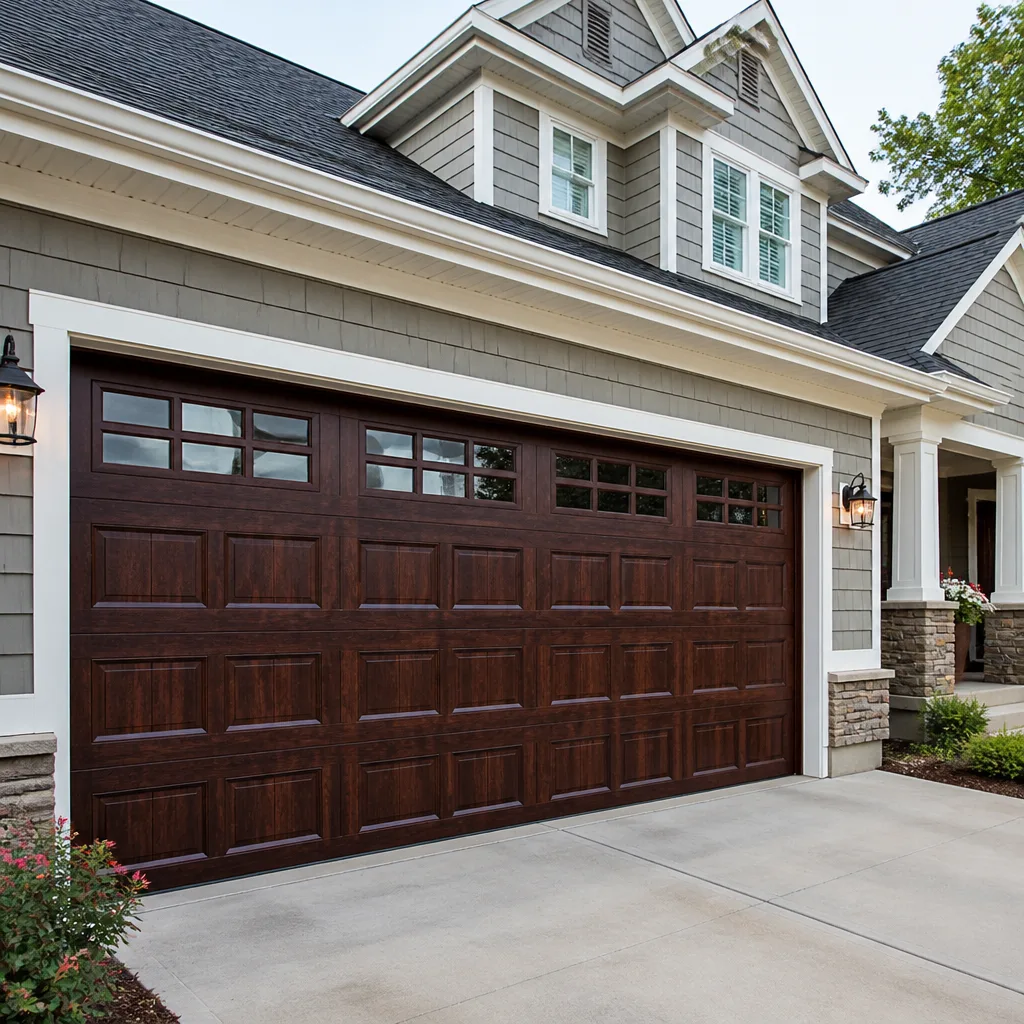
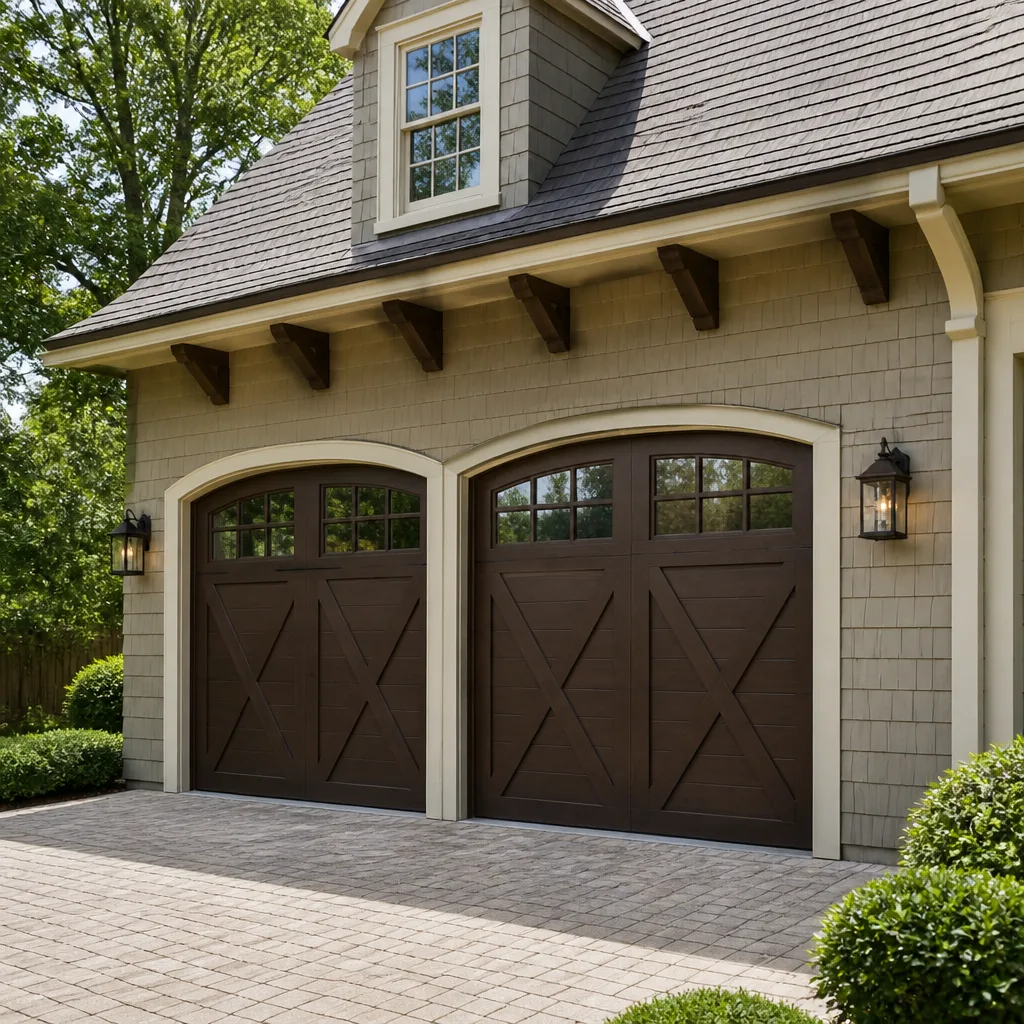 Carriage house
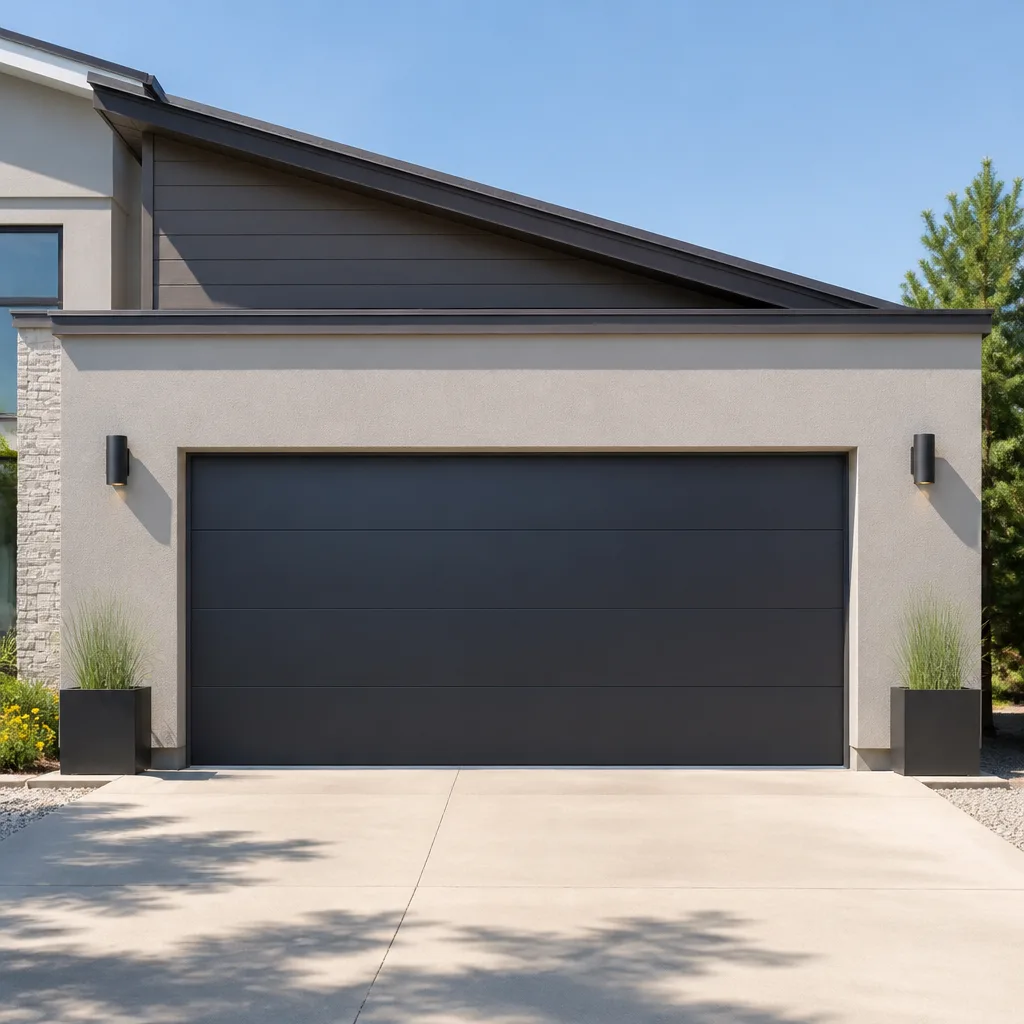 Modern flush
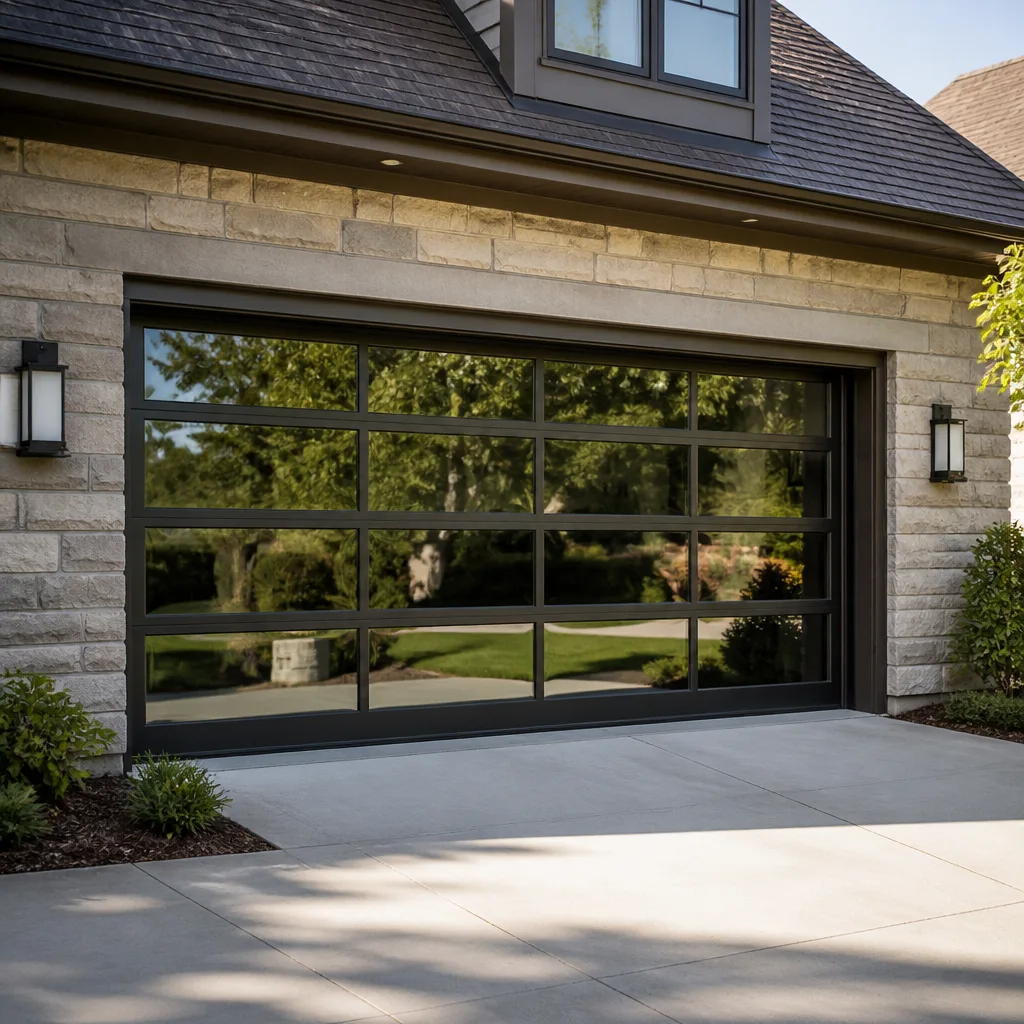 Full-view glass
 LiftMaster openers
 Chamberlain openers
Full 25-point door and opener safety check with every visit - springs, cables, rollers, tracks, and your LiftMaster or Chamberlain opener included
You get a price before we start. It does not change when the pro arrives.
Get your free estimateGarage Door Permits, Codes & Inspections in Middletown, OH: What You Need to Know
Most homeowners in Middletown assume any garage door work is a no-permit job. For a straight panel-for-panel replacement, they’re usually right. But the moment a new opener, a structural header change, or a fire-rated door on an attached garage enters the picture, local code requirements kick in, and the paperwork starts to matter as much as the hardware. A fire-rated door installed wrong between an attached garage and living space can put a homeowner’s insurance claim at risk, and Ohio’s residential code is specific about which doors qualify and how they have to be hung. This guide walks through exactly when a permit is required in Middletown and Butler County, what inspectors look for on a fire-rated door, how unpermitted work can stall a sale, and the step-by-step process for pulling a permit here.
Quick Answer
In Middletown, a like-for-like garage door replacement that keeps the same opening, same size, and same type of door generally does not require a permit, while new construction, a larger opening, structural header work, or installing a fire-rated door on an attached garage typically does. Opener replacements are usually handled without a permit but must meet UL 325 safety requirements. When in doubt, call the City of Middletown’s building department before work begins; a short phone call beats a problem at resale.
Styles & brands we work with
- Raised-panel steel
- Carriage house
- Modern flush
- Full-view glass
- LiftMaster openers
- Chamberlain openers
Table of Contents
- When a Garage Door Permit Is Required in Middletown
- When It’s Just a Replacement (and No Permit Is Needed)
- Fire-Rated Doors on Attached Garages: What Ohio Code Requires
- What Inspectors Actually Check
- How Unpermitted Work Affects Title Insurance and Buyer Inspections
- The Permit Process in Middletown, Step by Step
- New Openers and UL 325 Compliance
- How Middletown Weather and Housing Shape Garage Door Code Work
When a Garage Door Permit Is Required in Middletown
Middletown follows Ohio’s residential code as adopted and amended locally, so permit triggers come down to whether the work changes the structure, the opening, or the fire separation between the garage and the house. A new door in an existing, correctly sized opening with the same type of door is a maintenance swap. Anything that alters the building envelope or its safety features is a different conversation.
These are the triggers that most often require a permit in Middletown and Butler County:
- New garage construction or adding a garage to an existing home.
- Enlarging or reducing the door opening, which means cutting or reframing the header.
- Structural header modification, including replacing a damaged header or reinforcing one to carry a heavier door.
- Converting a carport to an enclosed garage with a new overhead door.
- Installing a fire-rated door between an attached garage and living space where one didn’t exist or is being replaced with a different rating.
- Electrical work for a new opener circuit, if a new outlet or dedicated circuit is needed.
If your project touches any of those, plan for a permit before the first screw goes in. For a routine garage door repair on an existing door in an existing opening, permits rarely apply, and that’s the majority of the work we see in Middletown.
When It’s Just a Replacement (and No Permit Is Needed)
A like-for-like replacement in Middletown usually doesn’t require a permit. That means the opening stays the same width and height, the door type stays the same (sectional for sectional, roll-up for roll-up), and nothing structural changes. The springs, tracks, and opener stay on the same footprint. Pull the old door, set the new one, and adjust the balance and travel.
Even without a permit, a straight replacement still has to meet code once it’s installed. That includes:
- The door must operate smoothly and stay in position when partly open.
- An opener on an attached garage must have a working reversal system and, where the code and manufacturer require it, a photo-eye safety system.
- The door must not be able to close on a person or object without reversing.
- Fire-rated doors between the garage and living space must keep their rating and self-closing hardware.
That last point is where a “simple” replacement sometimes turns into a bigger job. If the old door wasn’t rated and the wall needs to be, or the self-closing hinges were removed at some point, the replacement has to correct it. We run into that in older Middletown neighborhoods where doors have been swapped several times without anyone checking the rating. Better to find it now than at a buyer’s inspection.
If you’re not sure whether your project is a straight replacement or a structural change, the safest move is a quick call to the city building department with the door size and a description of the work. They’ll tell you in a few minutes whether a permit is needed.
Fire-Rated Doors on Attached Garages: What Ohio Code Requires
Ohio’s residential code treats the wall and door between an attached garage and a house as a fire separation. That’s the reason a fire-rated garage door matters, and it’s the requirement most homeowners don’t know about until they’re selling. The door has to carry a fire rating, and in most configurations the code also requires it to be self-closing and self-latching so it can’t be left propped open into the living space.
Here’s what that means in practice for a Middletown home with an attached garage:
- Rating minimums. The door between the garage and the house has to meet the rating the code assigns to that separation. Standard hollow-core or unrated doors don’t satisfy it.
- Self-closing hardware. Spring hinges or a self-closer that returns the door to the closed position without help.
- Self-latching. The door has to latch when it closes, not just swing shut.
- No cutting for pet doors. Cutting an opening in a rated door removes the rating. That’s a common find in Middletown homes with pets.
- Proper frame and threshold. Gaps at the frame, a missing threshold, or a door that won’t seat means the separation doesn’t perform.
When a home has an attached garage and the door into the house is being replaced, we check the rating, the hinges, the latch, and the frame before we touch anything. If the existing setup has been altered, we tell the homeowner what the code calls for and let them decide how to proceed. It’s not our place to make that call for them, but it is our job to point it out.
What Inspectors Actually Check
An inspector looking at garage door work in Middletown is checking that the door, the opening, and the safety systems match what was permitted and what the code requires. The list is fairly consistent from job to job.
- The permit and the scope. Does the work match what was applied for? A permit for a door replacement doesn’t cover a header change.
- The opening dimensions. Rough opening and finished opening match the plan.
- Header and framing. If structural work was done, the header is sized and fastened correctly.
- The door itself. Correct type, correct rating where required, properly hung and balanced.
- Fire separation. On an attached garage, the door between the garage and house is rated, self-closing, and self-latching.
- Opener safety. Reversal on obstruction, photo-eye alignment where required, and the manual release functioning.
- Electrical. If a new circuit was run for the opener, it’s inspected and terminated correctly.
What inspectors don’t do is test the springs for balance or check the opener’s limits the way a technician would. The door can pass inspection and still be out of adjustment. That’s why we treat the inspection as one checkpoint, not the finish line. After an inspection, we recheck balance, travel, and safety reversal so the door operates the way it should every day.
How Unpermitted Work Affects Title Insurance and Buyer Inspections
Unpermitted garage door work doesn’t always surface at the time it’s done. It surfaces later, usually during a home sale, when a buyer’s inspector flags it and the title company or lender starts asking questions. In our experience, the conversation that follows is far more expensive than the permit would have been.
Here’s how it plays out on a Middletown sale:
- Buyer’s inspection flags the work. A home inspector notes a new door, a new opening, or a header that doesn’t match the rest of the framing, and asks for documentation.
- No permit on file. The seller can’t produce one because it was never pulled. The buyer’s agent now has a negotiating lever.
- The lender gets involved. If the work affects the structural integrity or the fire separation, the lender may require it be corrected or permitted before closing.
- The title company asks questions. Title insurance covers title defects, not code violations, so a garage door issue doesn’t automatically kill the title. But if a lien or a code enforcement action has been filed over unpermitted work, it can hold up closing.
- The deal slips or the price drops. Either way, the seller pays for the fix and the delay.
Buyers in Middletown are getting more careful, and their inspectors are looking harder at attached garages. Walking into a sale with a permit and a signed-off inspection is one of the cheapest ways to protect the price. As a practical matter, if you’re planning to sell within a few years, pull the permit now.
The Permit Process in Middletown, Step by Step
Pulling a garage door permit in Middletown is a straightforward process once you know who files and what the steps are. The homeowner can file, or a licensed contractor can file on their behalf. Most homeowners let the contractor handle it, but it’s worth understanding the sequence either way.
- Call the City of Middletown building department. Describe the project: what’s changing, door size, door type, and whether the garage is attached. They’ll tell you whether a permit is required and what the application needs.
- Prepare the application. Usually a short description of the work, the door specifications, and a simple drawing or manufacturer cut sheet for the door being installed. For a header change, plan on more detail.
- File and pay the permit fee. Fee amounts vary by scope; the building department will quote it. File the permit before work starts, not after; retroactive permits are harder and slower.
- Do the work. The contractor installs the door, opener, and any structural changes to the permitted scope.
- Request the inspection. Once the work is done, request the inspection through the building department. Have the permit number ready.
- Inspection and sign-off. The inspector reviews the items on the list above. If something needs correcting, you get a punch list and a re-inspection.
- Keep the paperwork. Store the signed-off permit with your home records. It’s the document a buyer’s agent will ask for at resale.
Timelines depend on the building department’s schedule and the scope of the project. For a straightforward replacement with a fire-rated door on an attached garage, the process is often just a few weeks end to end. If you’re also replacing an opener as part of the same project, mention it on the application so the inspector knows to look at it.
New Openers and UL 325 Compliance
A new garage door opener has to meet UL 325, the safety standard that covers entrapment protection. That’s the standard behind the photo-eye system and the reversal-on-contact feature. The reason it matters beyond safety is simple: an opener that doesn’t meet the standard, or one installed without the required safety features, can become a problem at an insurance claim, an inspection, or a sale.
UL 325 compliance, in plain terms, means:
- Photo-eye safety system mounted at the door opening, aligned and working. If the beam is broken, the door reverses.
- Reversal on contact where the standard requires it, so a door closing on an object reverses.
- Manual release that lets a person disengage the opener and open the door by hand.
- Proper force adjustment so the door reverses within the limits the standard specifies rather than forcing through an obstruction.
It’s also worth noting that the photo-eye has to be installed correctly at the right height and in the right position, not just wired in. A LiftMaster or Chamberlain unit with myQ built in still needs the safety system installed and aligned by someone who knows what to look for. The electronics are the easy part; the safety features are where shortcuts show up.
If your opener was installed without photo-eyes, or the eyes are dangling or taped over, that’s worth fixing even if no permit is required. It’s a small job that protects the homeowner at the point where it matters. For a code-correct opener installation, our garage door opener repair team handles the safety features as part of the job.
How Middletown Weather and Housing Shape Garage Door Code Work
Middletown sits in a part of Ohio that sees real seasonal swings: hot, humid summers, cold winters with freeze-thaw cycles, and spring storms. Those conditions affect garage doors in ways that show up during inspections and code work.
Cold-weather contraction works on the door’s seals and the tracks. Doors that fit well in July can bind in January if the install didn’t leave the right tolerances. That’s not a code violation on its own, but it’s the kind of thing an inspector will notice if the door doesn’t operate smoothly during the inspection. We set doors in Middletown with the seasonal swing in mind so they don’t fight the weather six months later.
The housing stock matters too. Middletown has a mix of older homes with attached garages that predate current code and newer construction that was built to it. In the older homes, the fire-rated door between garage and house is the item most often out of compliance. A door that was rated when the house was built may have been replaced with an unrated one at some point, or the self-closing hinges were taken off because they were annoying. When we work on one of those homes, we point it out before we start; correcting it usually isn’t a big job, but leaving it alone is a risk at resale.
Storm damage is another factor. Middletown gets strong spring storms, and a damaged door or bent track often needs replacement rather than repair. If the replacement changes the door type or the opening, the permit question comes back into play. That’s why we ask about the door’s history before quoting a repair: a door that’s been hit and patched twice may be a better candidate for replacement than another repair. For the full range of what we do, see Middletown Garage Door Repair Experts.
Common Mistakes to Avoid
- Skipping the permit on a structural change. A header modification is a structural change, even if it looks minor on the door side. Pull the permit before the work starts, not after the door is hung.
- Assuming a replacement door is automatically compliant. A like-for-like swap in Middletown usually needs no permit, but it still has to meet the same safety and fire-separation rules. An unrated door on an attached garage is a problem whether or not a permit was pulled.
- Removing self-closing hinges because they’re inconvenient. We see this in older Middletown homes more than anywhere. It removes the fire separation’s ability to work and is the first thing an inspector checks.
- Cutting a pet door into a rated door. A cut-out in a fire-rated door ends its rating. If the pet needs a way through, put the opening somewhere else.
- Installing an opener without the photo-eye safety system. UL 325 requires the safety features, not just the opener. Dangling or taped-over eyes are a red flag at inspection and at an insurance claim.
- Not keeping the signed-off permit. The permit is only useful if you can produce it at resale. File it with the home’s other records, not in a drawer that gets cleaned out.
- Hiring a generalist for a code-sensitive job. A handyman can hang a door, but a fire-rated separation, a header change, and a safety-reversal system are specialist work. The savings rarely cover the cost of a re-inspection.
See the difference
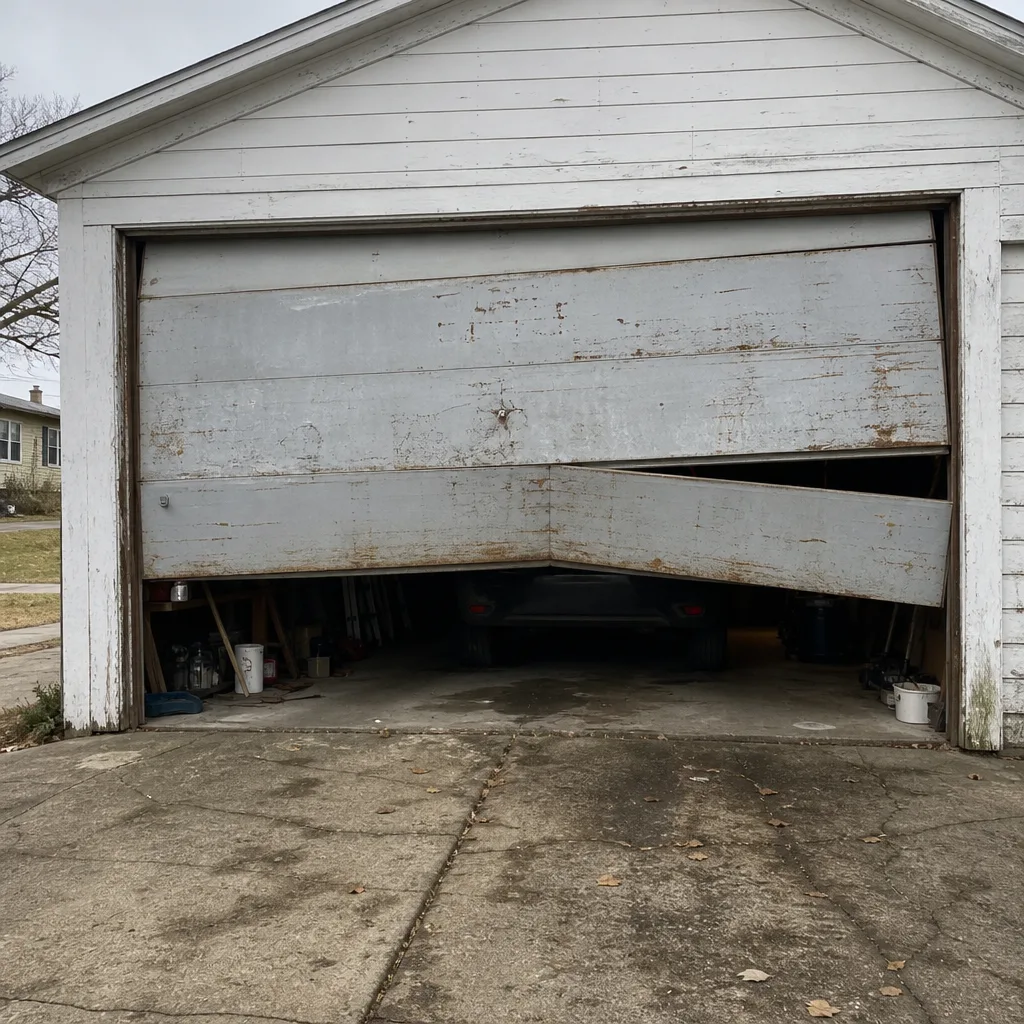 Before
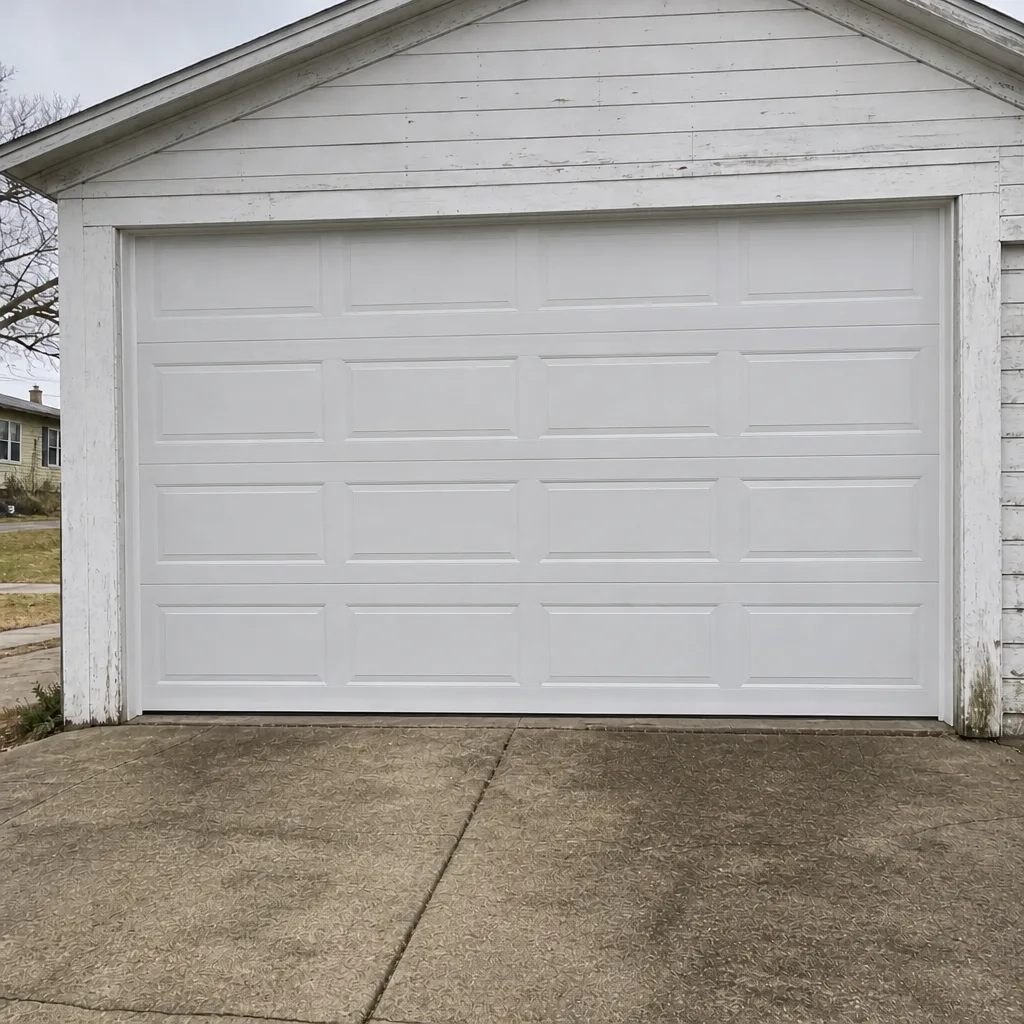 After
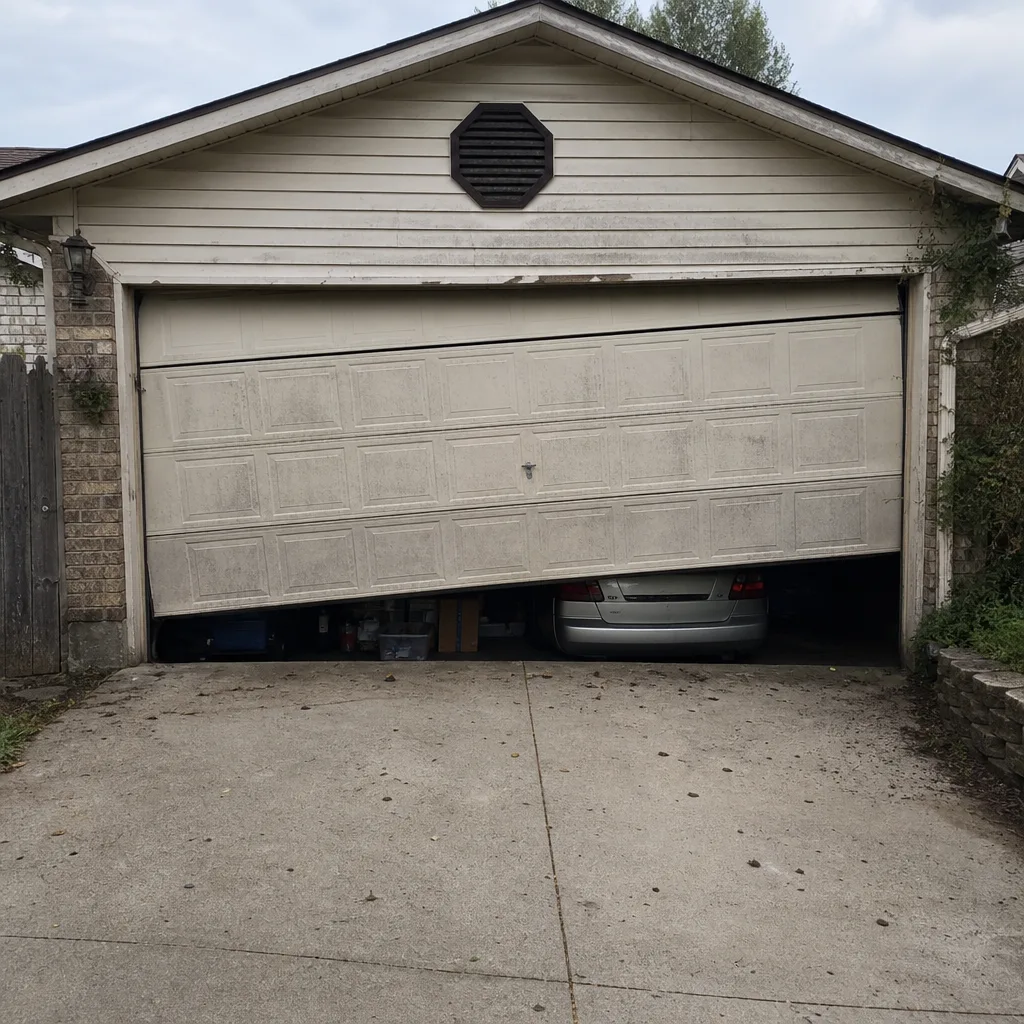 Before
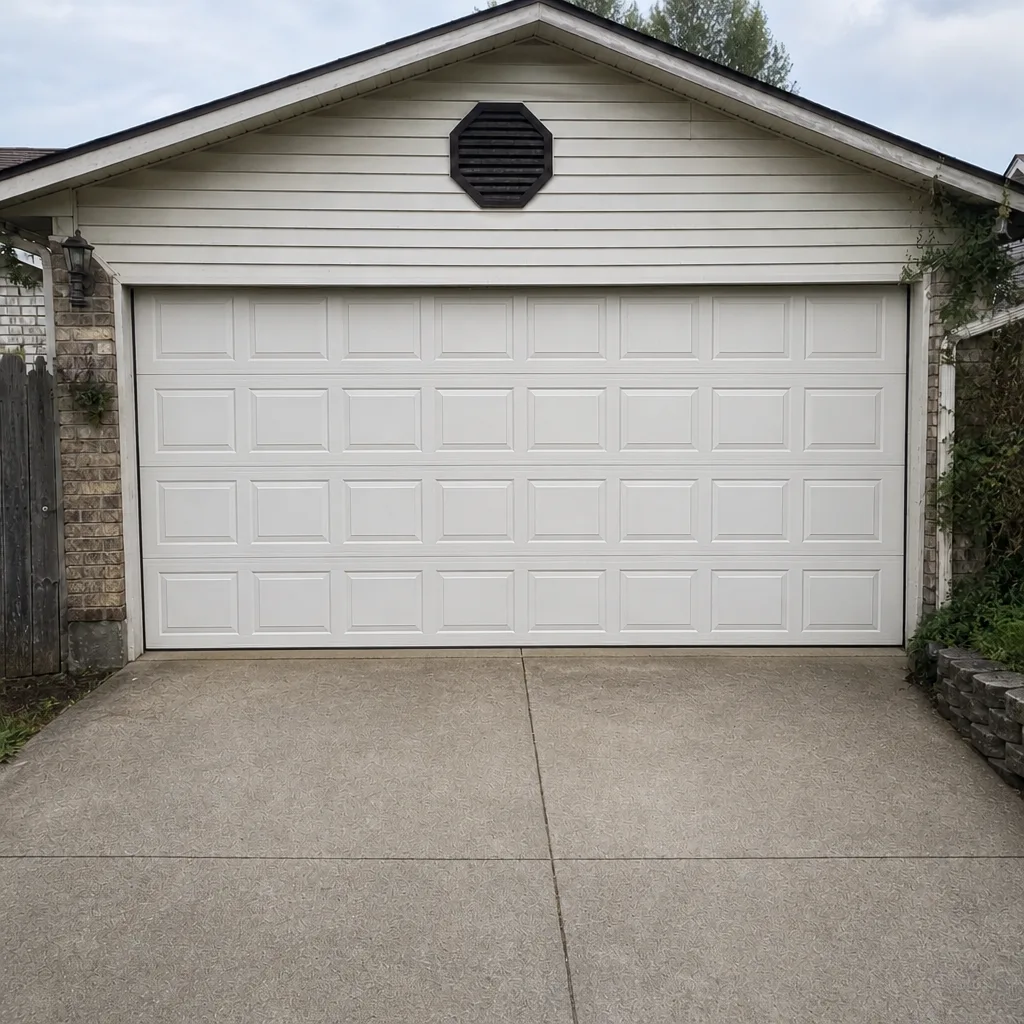 After
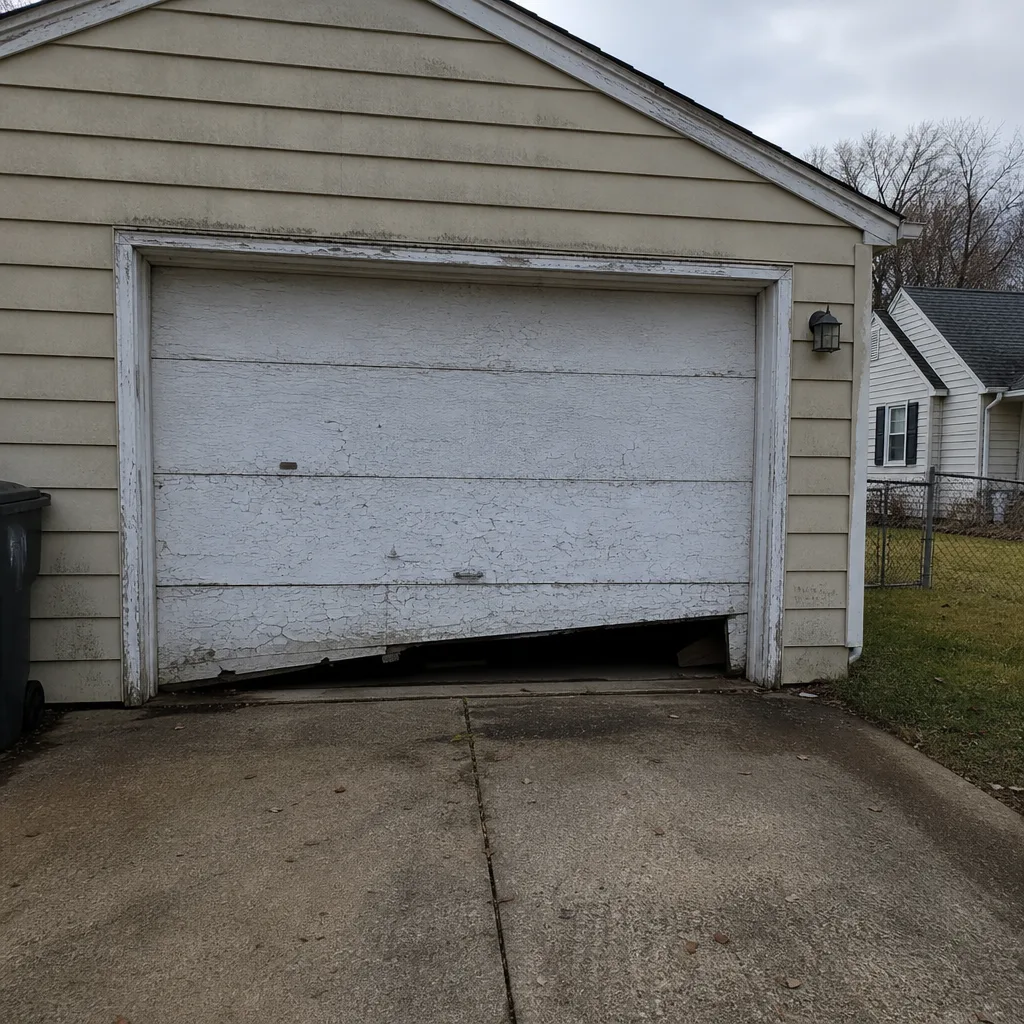 Before
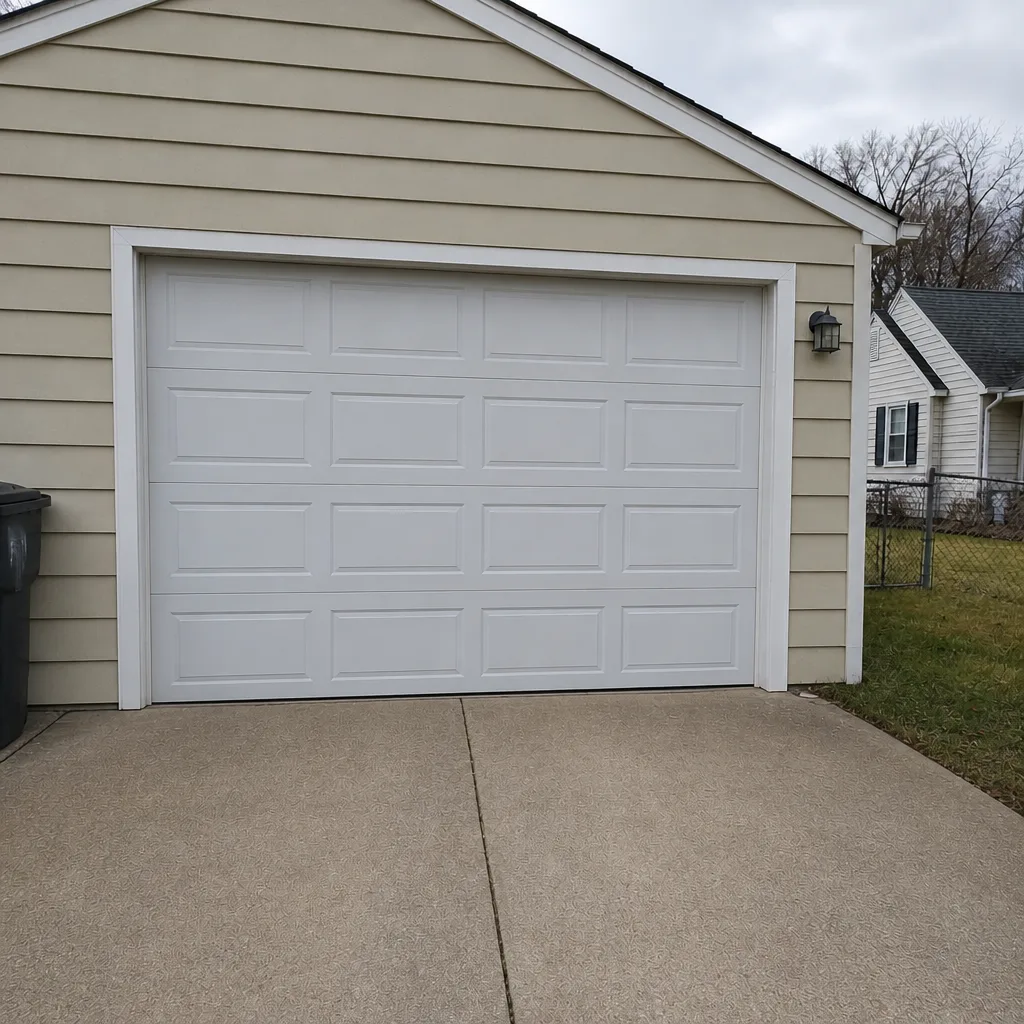 After
When to Call a Professional
If the project involves a fire-rated door on an attached garage, a header change, a new opening, or a new opener circuit, call a professional before you buy anything. Those are the jobs where the code and the inspection matter most, and where a small error gets expensive. It’s also the right call when a spring breaks or a door comes off its track; torsion and extension spring work carries serious injury risk, so we handle that ourselves rather than talk a homeowner through it. If the door is hanging unevenly, the opener is reversing for no reason, or the safety eyes are dead, those are all fixable and worth fixing before the next inspection cycle. Our technicians have up to 11 years of experience, and we service the brands most Middletown homes already have, including LiftMaster, Chamberlain, Genie, Clopay, Amarr, Wayne Dalton, and Raynor. Middletown Garage Door Repair Experts offers free estimates in Middletown – call (888) 831-9534.
Frequently Asked Questions
In most cases, no. A like-for-like replacement that keeps the same opening size and door type generally doesn’t require a permit in Middletown. If the project changes the opening, the header, or the fire-rated door on an attached garage, it usually does. Call the City of Middletown building department with your door size and a description of the work, and they’ll confirm. Call (888) 831-9534 for a free estimate on the installation itself.
Usually not, though a permit may be needed if a new electrical circuit has to be run for the opener. The opener itself must meet UL 325, which means it needs a working photo-eye safety system and proper reversal. If you’re replacing the opener as part of a larger project that’s already permitted, mention it so the inspector checks the safety features too. Call (888) 831-9534 if you want the safety system checked.
Ohio’s residential code requires the door between an attached garage and the living space to carry a fire rating, and in most configurations it also has to be self-closing and self-latching. The exact rating depends on the wall assembly and the configuration of the home. Check with the City of Middletown building department for the requirement on your specific setup. We can install a compliant door and set it up correctly – call (888) 831-9534 for a free estimate.
It can. A buyer’s inspector will often flag unpermitted work, and the buyer’s agent can use it as a negotiating lever. The lender may require correction before closing, and code enforcement actions tied to the work can hold up the title. Pulling the permit up front is far cheaper than dealing with it at resale. If you’re unsure whether your home has a problem, call (888) 831-9534 and we’ll take a look.
The homeowner or a licensed contractor files the application with the City of Middletown building department, the work is done to the permitted scope, and then an inspection is requested. Timelines depend on the building department’s schedule and the scope of the project; many straightforward replacements close out in a few weeks. Keep the signed-off permit for your records. Call (888) 831-9534 for a free estimate and we’ll walk through what the project involves.
We can install the door, the opener, and any springs, and we can work with you on the permit and the inspection process; the permit is typically filed by the licensed contractor doing the work or by the homeowner. If the project involves structural work or a fire-rated door, plan the permit before the work starts. For an estimate, call (888) 831-9534. We answer 24/7. Fast dispatch from 7am to 7pm, Sunday through Friday.
The Bottom Line
Most garage door replacements in Middletown are a no-permit job, but the exceptions are the ones that matter: a new opening, a header change, a fire-rated door on an attached garage, or a new opener circuit. Those are the projects that need a permit, an inspection, and a signed-off record that protects the homeowner at resale. UL 325 compliance on the opener is the other item that shows up later if it’s skipped. The city building department can confirm what applies to your project in a short call, and a free estimate takes the guesswork out of the rest. When the project is code-sensitive, get a specialist involved before the first screw goes in.
garage door spring repair is the one part of this work we never encourage a homeowner to attempt, because the springs are under load and the injury risk is real. Call us instead.
Contact Us
If you’re planning a garage door replacement, a new opener, or a fire-rated door installation in Middletown and want a straight answer on what the code requires, call Middletown Garage Door Repair Experts at (888) 831-9534 for a free estimate. We’ll look at the door, the opening, and the setup, tell you what a code-correct installation involves, and quote the work in writing before anything starts. We service the brands most Middletown homes already have, including LiftMaster, Chamberlain, Genie, Clopay, Amarr, Wayne Dalton, Craftsman, and Raynor, so one call covers the door, the opener, and the springs. We answer 24/7. Fast dispatch from 7am to 7pm, Sunday through Friday.
Written by the team at Middletown Garage Door Repair Experts.