
Last updated November 23, 2026
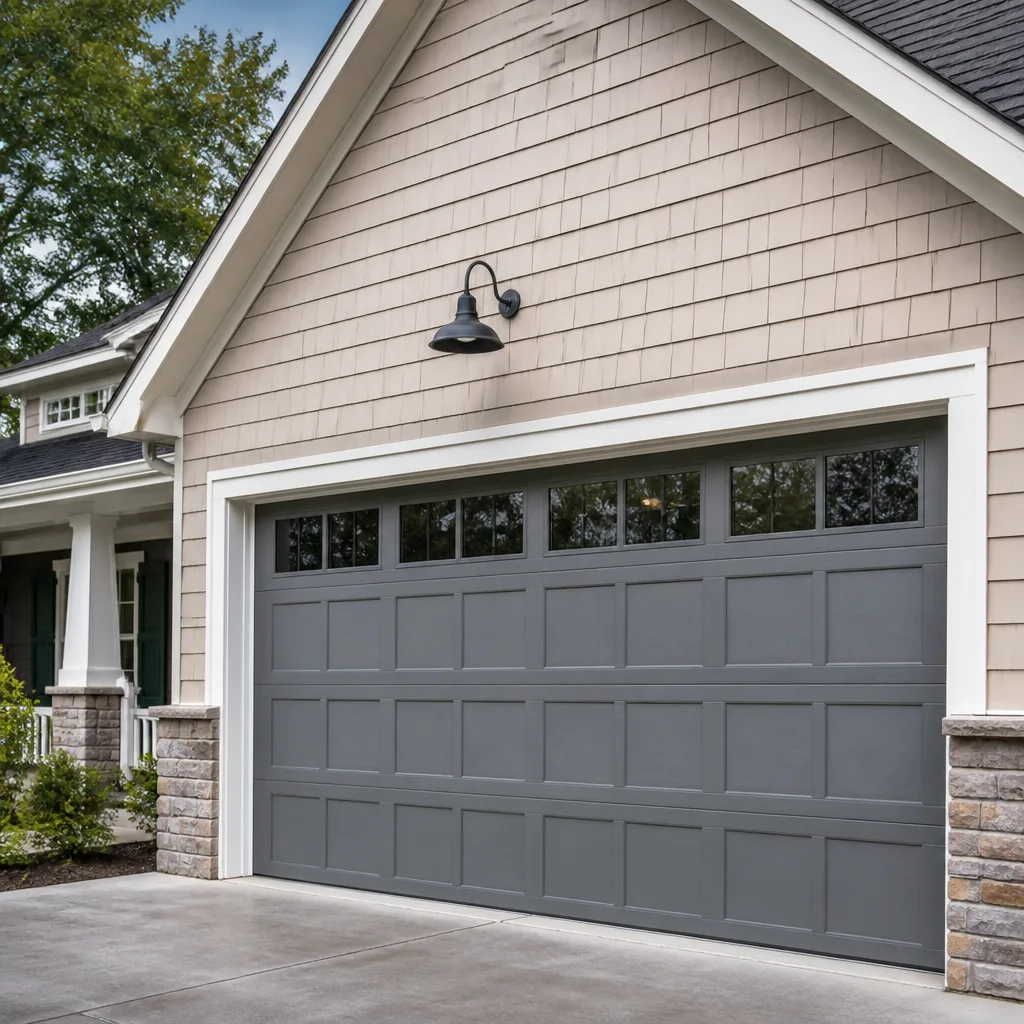
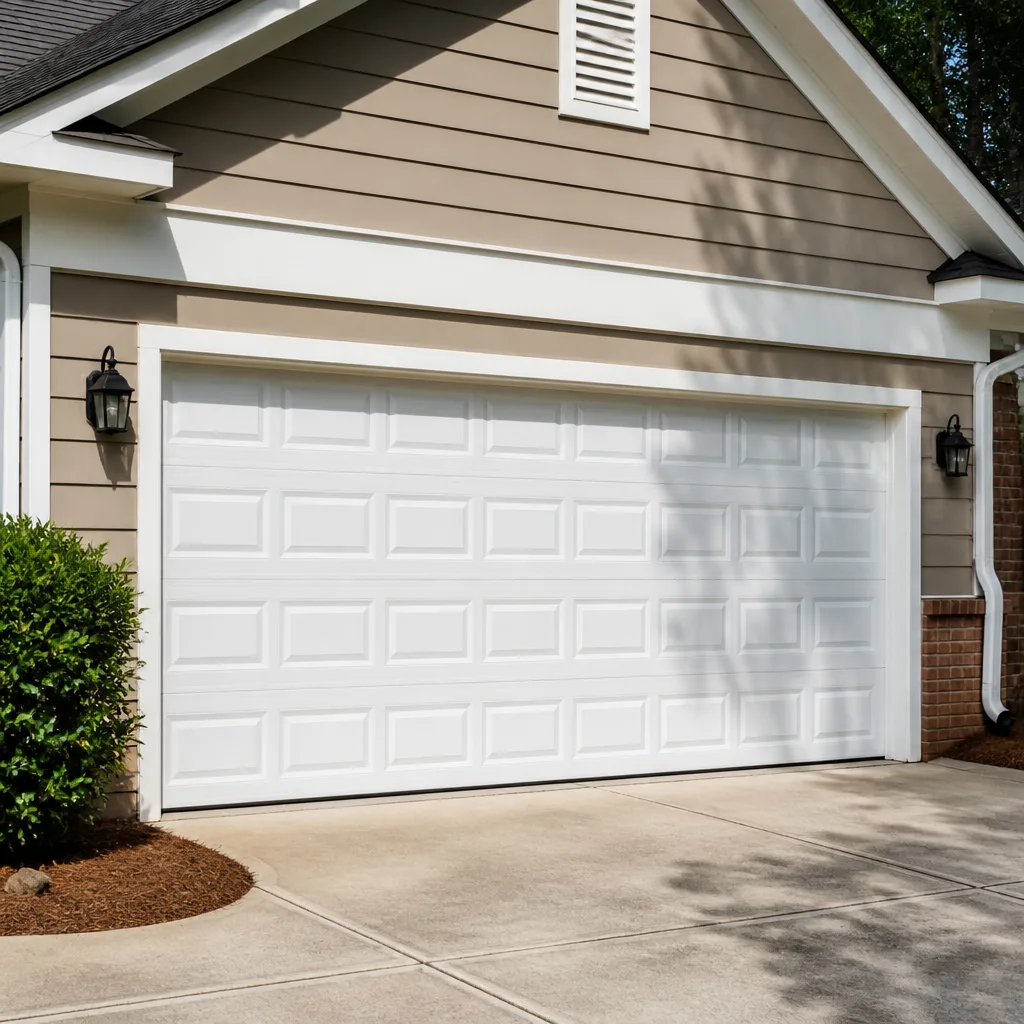 Raised-panel steel
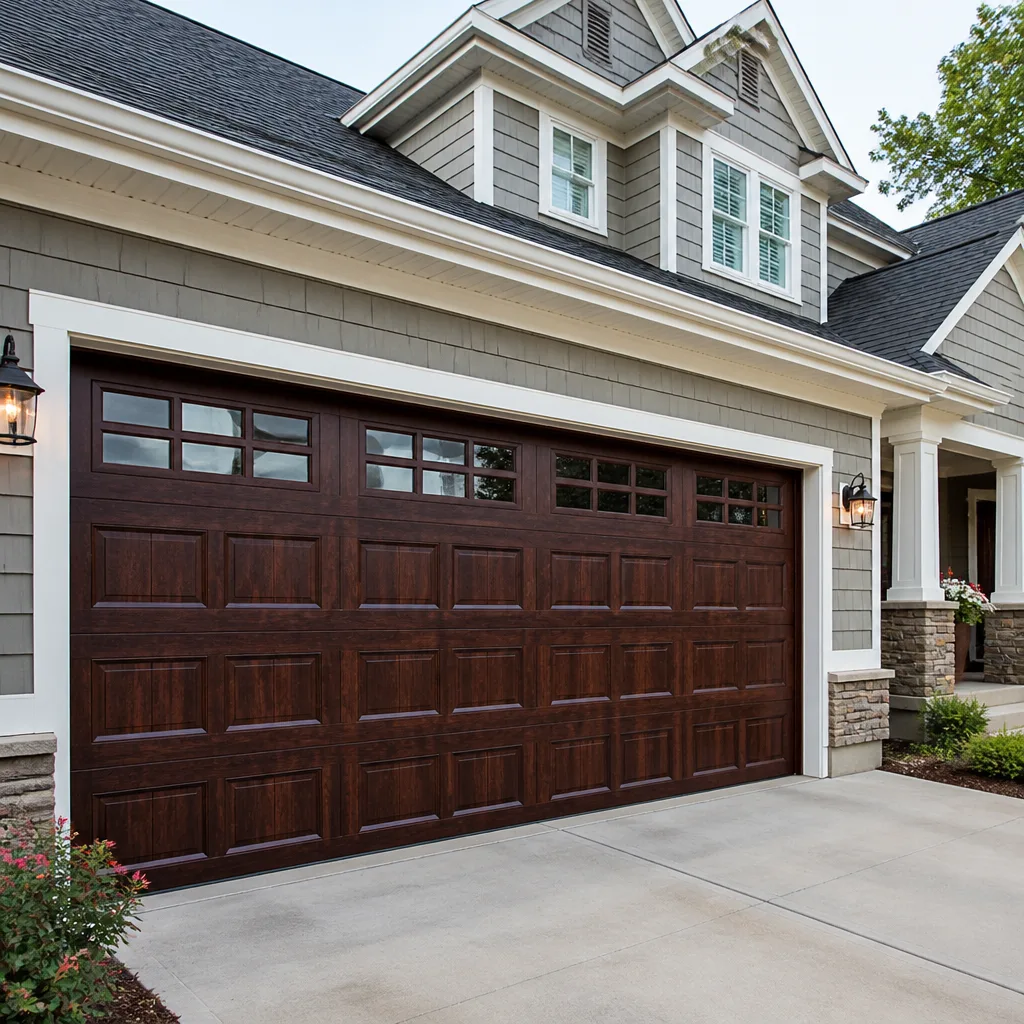
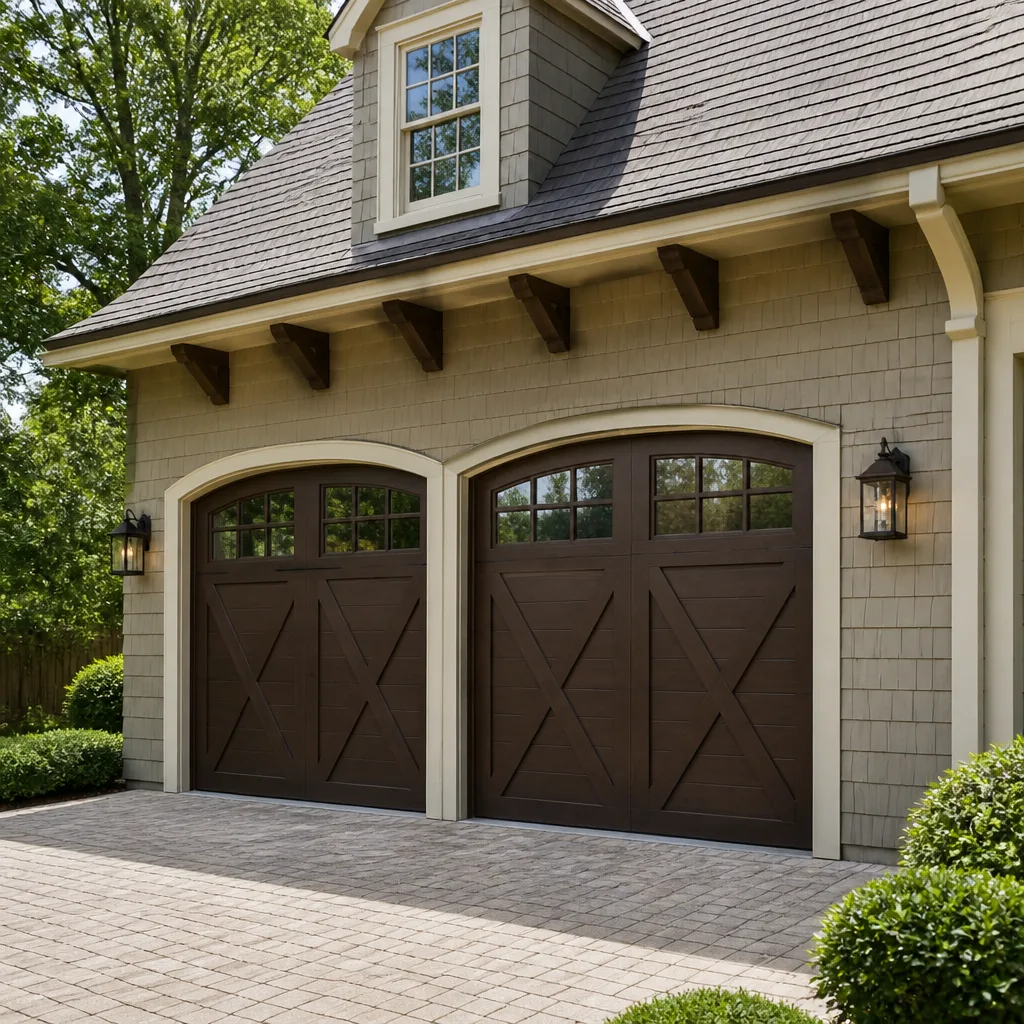 Carriage house
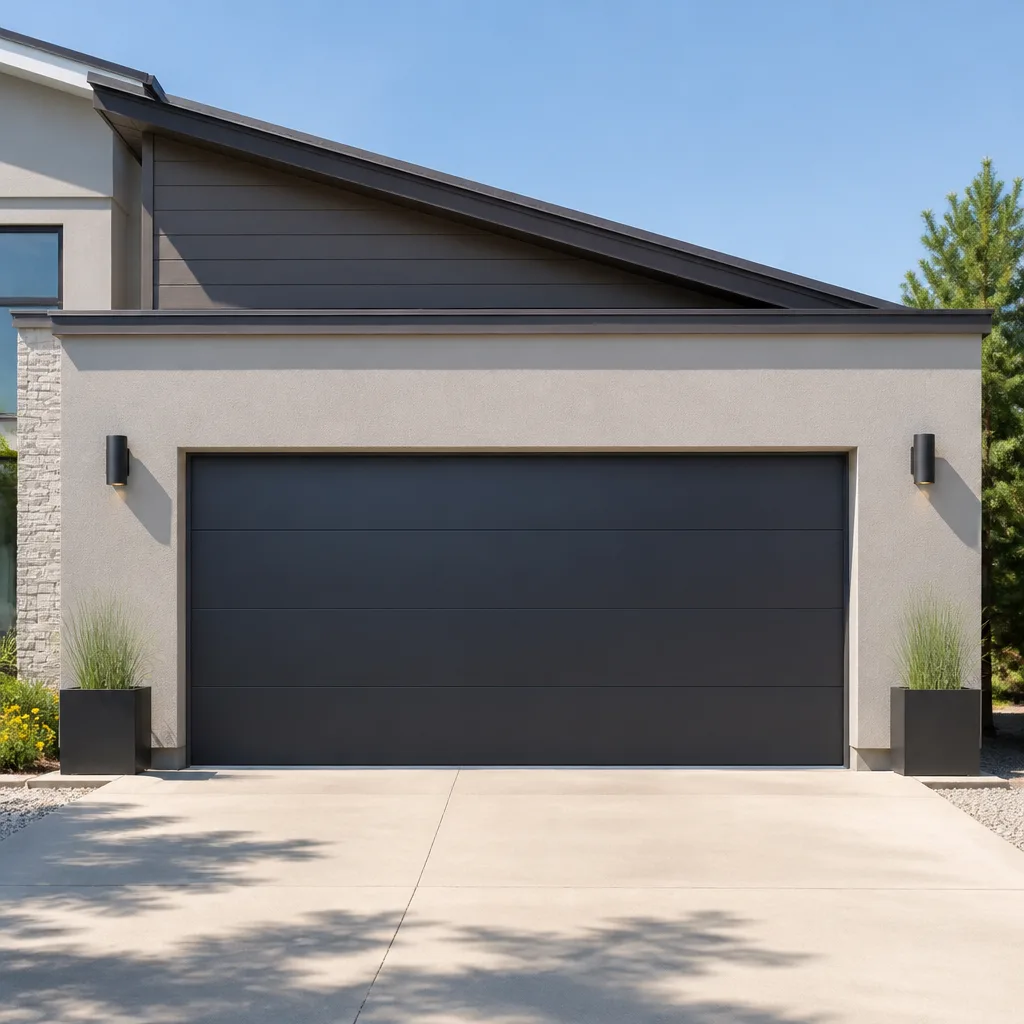 Modern flush
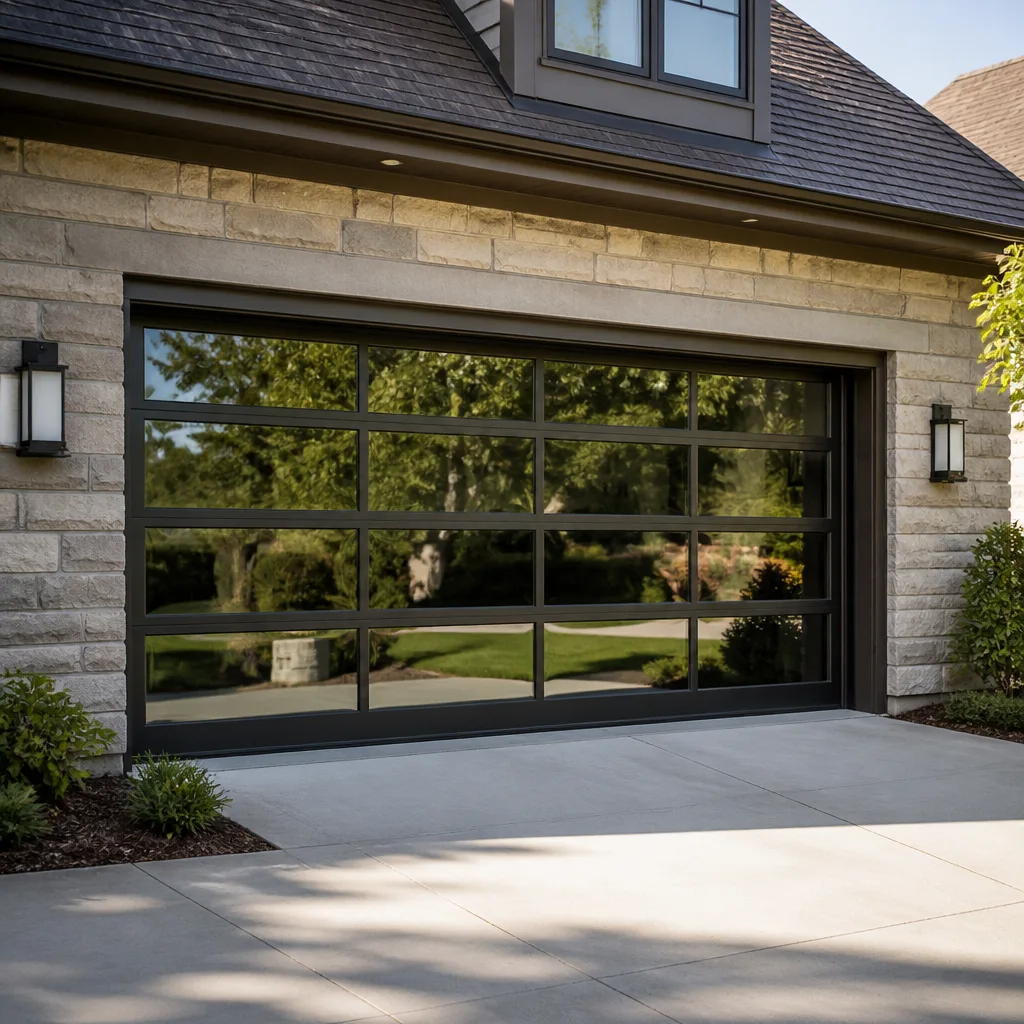 Full-view glass
 LiftMaster openers
 Chamberlain openers
Full 25-point door and opener safety check with every visit - springs, cables, rollers, tracks, and your LiftMaster or Chamberlain opener included
You get a price before we start. It does not change when the pro arrives.
Get your free estimateDIY vs Professional Garage Door: The Middletown Homeowner’s Decision Guide
Most homeowners frame the DIY versus professional question as a money question. Can you save a few hundred dollars by handling it yourself? That’s the wrong variable to start with. The variable that actually matters is failure mode: what happens when the repair goes wrong. A badly painted panel is an eyesore. A badly wound torsion spring can put a person in the hospital. Those two jobs live in completely different risk categories, and treating them the same way is how people get hurt. This guide maps every common garage door task to its real risk profile and skill floor, so your decision is grounded in facts instead of pride or anxiety. We’ll walk through it from a Middletown perspective, because central Ohio weather, housing stock and code expectations all shape which jobs make sense to tackle and which ones don’t.
Quick Answer
Low-risk tasks like weatherstripping, lubrication and photo-eye alignment are reasonable DIY work for a careful homeowner. Spring replacement, cable work and any structural repair at the header are professional-only jobs, no exceptions. Everything in between, like panel dents and limit switch adjustments, comes down to your tools, your comfort with mechanical work, and whether the task touches a component that can hurt you if it fails.
Styles & brands we work with
- Raised-panel steel
- Carriage house
- Modern flush
- Full-view glass
- LiftMaster openers
- Chamberlain openers
Table of Contents
- The Task-by-Task Risk Matrix
- Why Springs Are in a Category of Their Own
- The Real Cost of a Failed DIY Attempt
- What Tools You Actually Need (and the One You Almost Certainly Don’t Have)
- Ohio Liability, UL 325, and Your Insurance Claim
- The Middle Path: Prep Work That Legitimately Cuts Labor
- How Middletown Weather Changes the Math
- When to Call a Professional
The Task-by-Task Risk Matrix
Not every garage door job carries the same weight. Lumping them together is what leads to bad decisions in both directions: people attempt spring work they shouldn’t, and they pay a professional for jobs they could have finished in twenty minutes. Here’s how the common tasks break down by risk and skill floor.
Low-Risk DIY (Reasonable for a Careful Homeowner)
- Weatherstripping replacement. The rubber seal at the bottom of the door and the vinyl around the frame are consumables. They dry out, crack and let in drafts. Replacing them is straightforward hand work.
- Lubrication. Hinges, rollers, and the torsion bar bearings benefit from periodic lubrication with a proper garage door lubricant. (Never use standard WD-40 as a long-term lubricant; it cleans but doesn’t protect.)
- Photo-eye alignment. If the door won’t close because the safety sensors aren’t seeing each other, a small adjustment to the bracket or a wipe of the lens usually fixes it.
- Remote and keypad programming. Every LiftMaster, Chamberlain, Genie and Craftsman opener has a straightforward pairing sequence in the manual.
- Visual inspection. Checking the balance of the door, listening for unusual noises, and looking for frayed cables are all safe and useful.
Moderate-Risk DIY (Depends on Your Comfort and Tools)
- Cosmetic panel dent repair. Small dents can sometimes be worked out or filled and repainted, especially on steel panels. If the dent is deep enough to affect the structural integrity of the panel, replacement is the real answer.
- Limit switch adjustment on the opener. The up and down travel limits on a mechanical opener can be adjusted at the motor head. It’s not dangerous, but if you get it wrong, the door will hit the floor too hard or reverse too early.
- Replacing rollers. Nylon rollers are wear items and generally safe to swap. Torsion springs and cables are not touched during this job, which is what keeps it moderate.
- Replacing the opener’s light bulbs or battery backup. Low risk, but read the manual for the specific opener model.
Professional-Only (Do Not DIY)
- Torsion spring replacement. This is the single most dangerous repair in the entire garage door system.
- Extension spring replacement. Less stored energy than torsion, still capable of serious injury.
- Cable replacement. Cables are under heavy tension; releasing one without the door properly secured can whip the cable loose.
- Panel replacement. A full panel swap requires releasing spring tension, which puts you back in spring territory.
- Track realignment. Tracks are structural; bending them incorrectly can cause the door to bind or fall.
- Header, jamb, and structural repair. If the wood at the top of the opening is damaged, that’s a structural question, not a garage door question.
- Opener replacement. The electrical and safety adjustments involved (force limits, photo-eye height, UL 325 compliance) make this more complex than it looks.
Why Springs Are in a Category of Their Own
A wound torsion spring stores roughly 100 foot-pounds of torque. (That’s the figure that circulated through industry training for years, and it’s a useful way to think about the energy involved.) The spring above your garage door holds the entire weight of the door in balance, and when you’re winding it, you’re managing that stored energy with hand tools. Nothing about watching a video prepares you for the moment a spring lets go.
That number isn’t a scare tactic – it’s the reason “just watch a YouTube video” is genuinely dangerous advice for this specific task. We’ve talked to Middletown homeowners who watched the entire process online and felt confident right up until they picked up a pair of vise grips as a substitute for winding bars. The vise grip trick is one of the most common and one of the most dangerous shortcuts in all of home repair.
The professional side of this job isn’t just about having the right spring. It’s about:
- Winding bars that fit the spring’s winding cone correctly. Generic substitutes slip.
- Locking pliers and C-clamps to secure the torsion bar before releasing anything.
- Correct spring sizing. A torsion spring is matched to the door’s weight, height, and track radius. The wrong spring will wear out fast or cause the opener to strain.
- Knowing when the door needs a matched pair. Springs are usually replaced in pairs because they wear together; replacing one and leaving the other is a false economy.
- Winding the correct number of turns for the door height and spring type.
None of that is beyond a trained technician. All of it is genuinely dangerous for anyone else. When we handle garage door spring repair, we’re not just changing a part; we’re managing a stored-energy problem that has to be handled correctly from the moment the old spring comes off. If you take nothing else from this guide, take this: springs are professional-only, in Middletown and everywhere else.
The Real Cost of a Failed DIY Attempt
The cost of a failed DIY job isn’t just the wasted parts. In our experience, the biggest add-on is diagnostic time. When a technician arrives at a half-finished job, the first twenty minutes go into figuring out what the homeowner did before any actual repair can start.
What a Failed DIY Job Actually Costs You
- The original part cost. That spring, cable, opener or panel you bought and couldn’t install correctly.
- Injury risk. The one cost you can’t price, and the reason professional-only jobs are professional-only.
- Damage to adjacent components. A homeowner who tries to force a stuck door can bend a track. A wrong spring can overload the opener. A bad cable install can damage the drum.
- Diagnostic time. The technician has to reverse-engineer what went wrong before starting the real repair.
- Lost time. A job that could have been finished in one visit becomes two or three.
- Opener wear. A door that isn’t balanced properly forces the opener to lift more weight than it was designed for, shortening its life.
- Safety sensor failures. If you disconnected a photo-eye during your DIY job and didn’t reinstall it correctly, you’ve disabled a safety feature that exists to protect children and pets.
What you don’t pay, in our case, is a diagnostic fee on top of the repair. The estimate is free and the price we quote is the price you agree to before we start work. On jobs where a homeowner started and stopped, the written estimate still reflects the real scope of what’s left to do. We would rather give you a clear price up front than surprise you after the fact.
What Tools You Actually Need (and the One You Almost Certainly Don’t Have)
If you want to take on the low-risk DIY tasks, there’s a short, specific tool list worth having on hand. Most of it is standard homeowner equipment. One item on the professional-only list is the reason that list stays professional-only.
The DIY-Capable Homeowner’s Tool Kit
- Adjustable wrench and a set of socket wrenches
- A cordless drill with a nut-driver bit set
- A proper garage door lubricant (silicone or lithium grease, not WD-40)
- Vise grips
- A sturdy step ladder that lets you reach the opener head safely
- A level (for checking whether the door is staying plumb)
- A tube of exterior-grade caulk for sealing around weatherstripping
- Safety glasses and work gloves, every time
The Specialty Tool You Almost Certainly Don’t Have
A pair of winding bars. These are purpose-built steel rods that fit into the winding cone of a torsion spring so the technician can control the tension safely. They are not sold at most hardware stores. Substitutes that “sort of” work – screwdrivers, vise grips, breaker bars – are precisely what slip, snap, or fail when a spring releases. The absence of proper winding bars in the typical homeowner’s toolbox is one of the concrete reasons spring work belongs to a professional. It’s not a philosophical argument; it’s a tooling argument.
We work on LiftMaster, Chamberlain, Genie, Raynor and the other major brands with the correct tools for each system. If you want to know whether a specific task on your door is safe to take on, call and ask – we’ll tell you straight.
Ohio Liability, UL 325, and Your Insurance Claim
This is the part most DIY guides skip, and it’s the part that matters most if something goes wrong years later. The UL 325 standard is the safety standard that governs automatic garage door operators in the United States. It covers things like the requirement for a photo-eye safety sensor near the floor, force limits on the operator, and the specific behaviors the opener must have (e.g., reversing on contact detection) to be sold and installed legally.
When a homeowner installs an opener or re-wires one themselves, two things tend to happen:
- The safety sensors get installed at the wrong height or positioned so they don’t detect a child or pet in the door’s path.
- The force limits get set too high by someone who thinks “the door should close even if it hits something” is a feature rather than a safety violation.
Either of those could compromise a homeowner insurance claim after an incident. Insurers look at whether the equipment was installed and maintained to recognized standards. If the answer is “the homeowner installed it,” that’s a question you don’t want a claims adjuster asking. The same concern applies to a spring that was replaced by a homeowner and later failed catastrophically, or to a door that was never balanced properly after a bad repair.
The professional side of this isn’t about us – it’s about making sure the equipment on your house meets the standard a claims adjuster expects. We can schedule a garage door opener repair or a full inspection that includes UL 325 safety checks. If your opener is a DIY install from years back and you’ve never had it looked at, that’s worth a call.
If you’re wondering what your specific door needs, Middletown Garage Door Repair Experts covers the whole job: doors, openers, springs, and the safety checks that go with them.
The Middle Path: Prep Work That Legitimately Cuts Labor
There’s a real middle ground that most DIY-versus-pro guides ignore. Some tasks have a prep phase that’s safe for a homeowner to complete and a professional phase that stays professional. Doing the prep yourself is a legitimate way to trim labor cost without touching anything that can hurt you.
Prep Work That’s Fine to Do Yourself
- Removing old weatherseal. Pull the old rubber off the bottom of the door and the vinyl off the frame. That’s dirty work, not dangerous work, and removing it before a technician arrives saves labor.
- Clearing the garage floor and the driveway. A clean work area means the technician can start immediately instead of moving things.
- Painting panels that are going to be repainted. Cosmetic prep (sanding, priming, taping) on a panel that’s already been judged safe isn’t hard to do yourself.
- Locating the opener manual and the model number before the technician arrives.
- Disconnecting the opener from the door using the emergency release if the door is stuck, so it can be manually operated while waiting for service.
Prep Work That Sounds Fine But Isn’t
- Loosening any bolt on the torsion bar “to help the technician.”
- Removing the bottom bracket or the cable drum for any reason.
- Cutting or adjusting a cable to “take up slack.”
- Removing a panel that’s still attached to the spring system.
None of those are shortcuts. All of them are ways to make the job more dangerous and more expensive. If you’re not sure whether a prep task is safe on your specific door, call us first – it’s a two-minute question and it saves a lot of trouble on both ends.
How Middletown Weather Changes the Math
The general DIY-versus-pro logic is the same everywhere, but Middletown’s climate shifts the balance in a few specific places. Understanding that is part of making a good decision for your specific house.
Freeze-Thaw Cycles and the Bottom Seal
Middletown winters swing above and below freezing repeatedly. That cycle is hard on the rubber bottom seal: water gets into a small crack, freezes, expands, and the seal starts to tear. By spring, the door is letting in cold air and sometimes water. Replacing that seal is one of the highest-value DIY tasks in the entire guide – the part is cheap, the job is safe, and the payoff in energy and comfort is real.
Humidity and the Torsion Spring’s Working Life
Ohio summers are humid enough that the lubrication schedule on the torsion bar bearings and rollers actually matters. A dry bearing is a bearing that wears out faster. Owners who lubricate twice a year (once before winter, once before summer) tend to get more life out of hinges and rollers. That’s DIY work worth doing.
Wind and Panel Alignment
Strong straight-line wind from summer storms can shift a door in its tracks. When a panel is out of alignment, the door binds on the way up and down. That’s the point where a call is usually worth making rather than pressing on the panel yourself – forcing an aluminum or steel panel back into place can dimple it permanently or bend a hinge.
Housing Stock and Old Openers
Older Middletown homes often have legacy openers – a Genie or a Craftsman that’s been in place for a very long time. Those are not always repairable, and when they reach the end of their life, a replacement with a current LiftMaster or Chamberlain model that includes modern photo-eye safety sensors and battery backup is usually the better call. Newer construction tends to use Genie or Chamberlain openers with smart features, which changes the repair decision slightly: those openers are worth repairing and are often still under manufacturer support. If you’re not sure which your house has, the model number on the opener head answers the question in thirty seconds.
Common Mistakes to Avoid
- Using vise grips as a winding bar substitute. This is the single most common dangerous shortcut in garage door DIY. Vise grips do not engage the winding cone reliably and slip under load. It’s not worth the risk.
- Replacing only one spring when the door has two. Springs wear together. Putting a new spring next to a tired one means the tired one fails within weeks and the door is unbalanced in the interim. Replace in pairs.
- Forcing a stuck door up or down. If the door won’t move easily with the opener disengaged, the cable or spring system is binding. Forcing it bends the track, kinks the cable, and can bring the door down.
- Disabling the photo-eye to “see if it works.” The sensor exists specifically to keep the door from closing on a child or pet. Never bypass it as a diagnostic step; diagnose the sensor itself if it’s failing.
- Setting the opener force limits too high. A door that “should push through” a contact is a door that will hurt someone. Force limits belong where the manufacturer set them.
- Painting over weatherstripping. Paint stiffens the seal and cracks it within a season. Mask around the weatherseal when painting panels.
- Misjudging the age of the opener. A repairable opener and a replaceable one look the same from the driveway. Have the model and age checked before deciding to replace.
See the difference
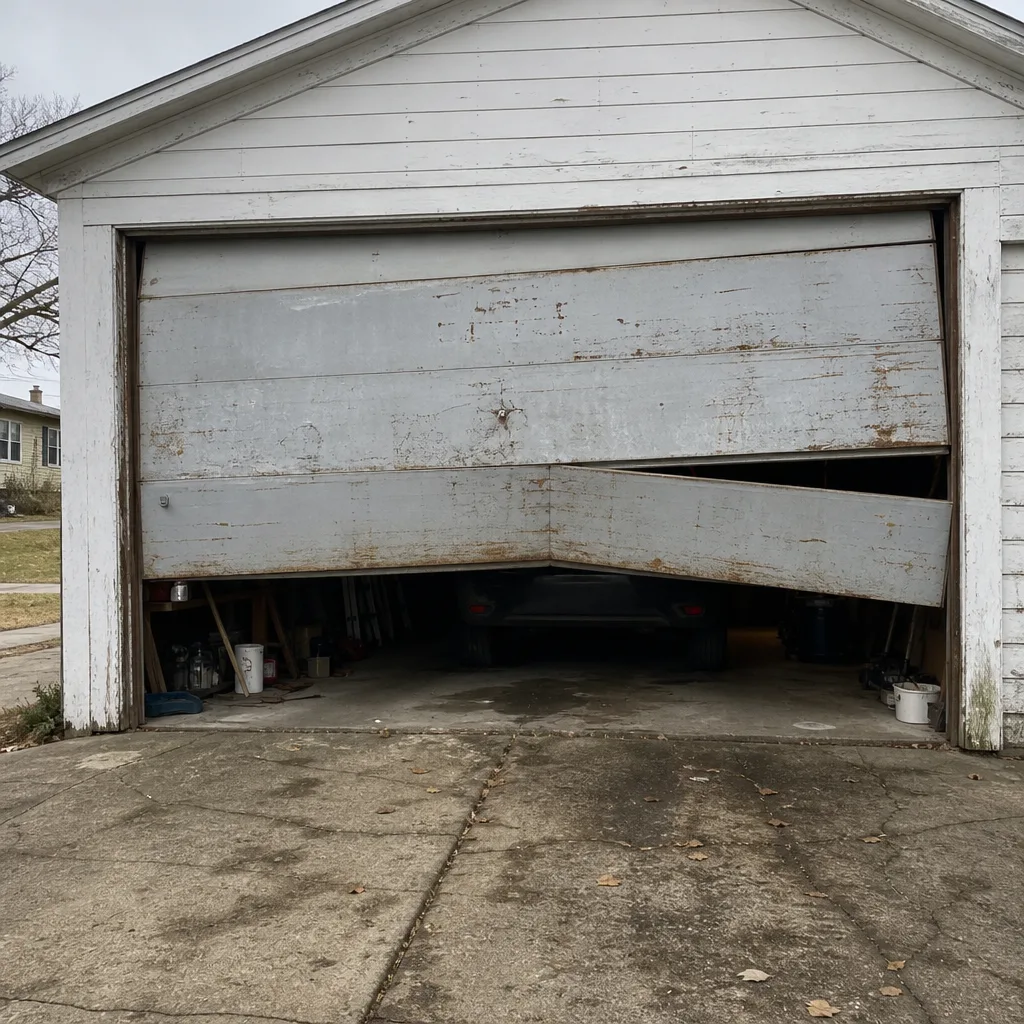 Before
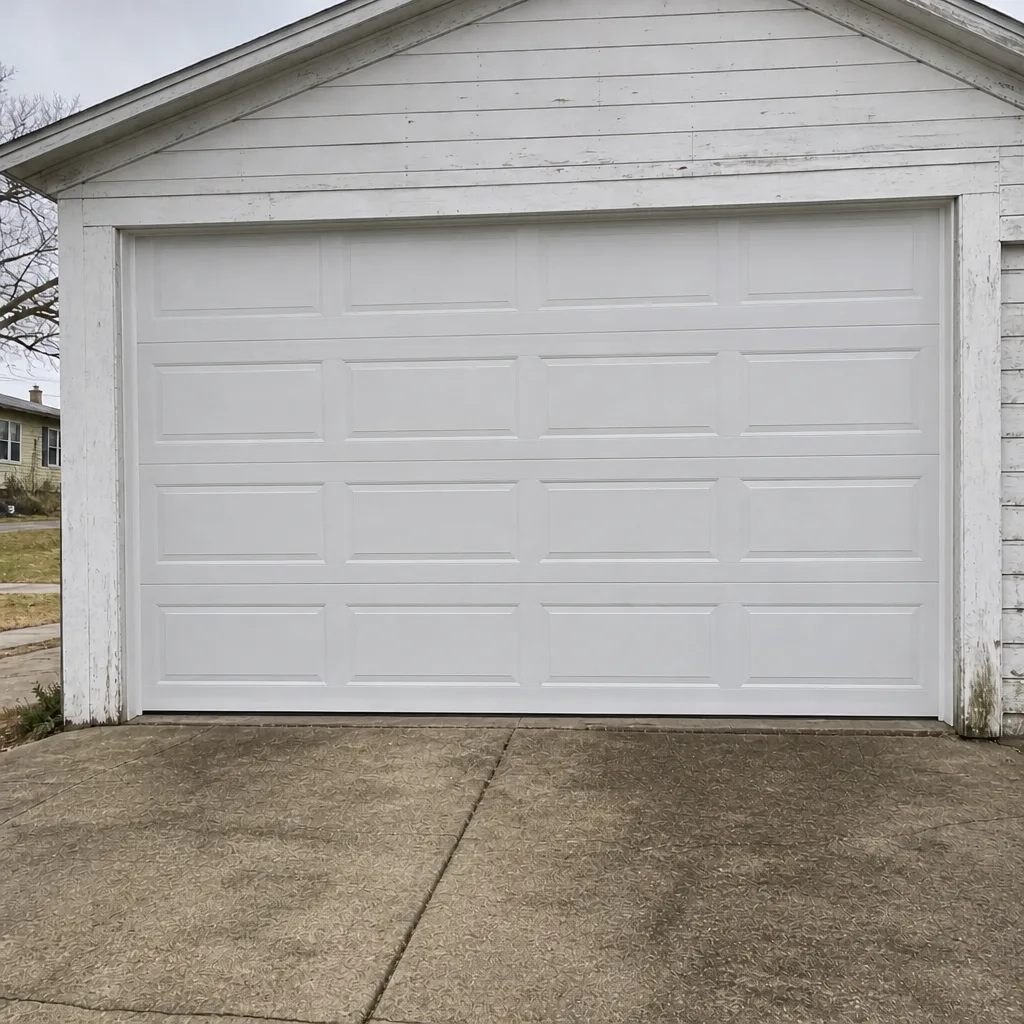 After
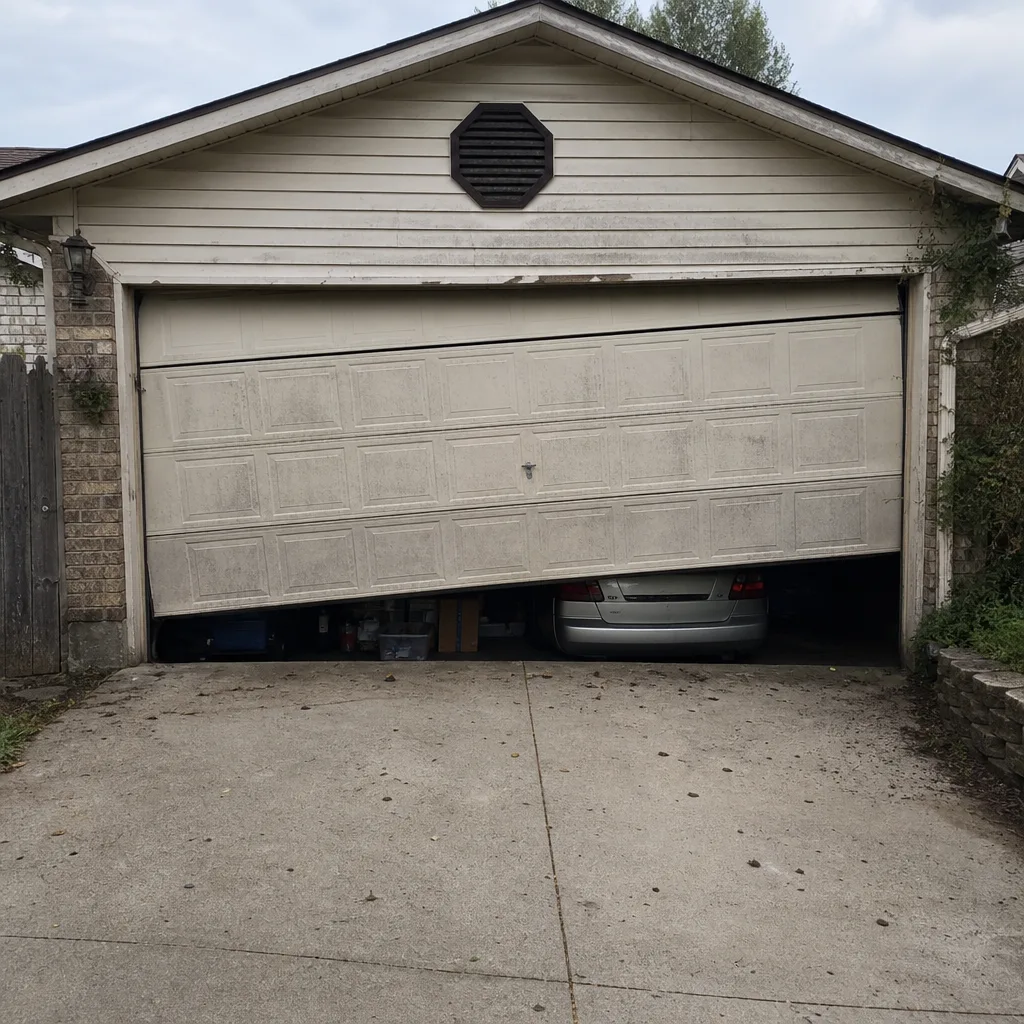 Before
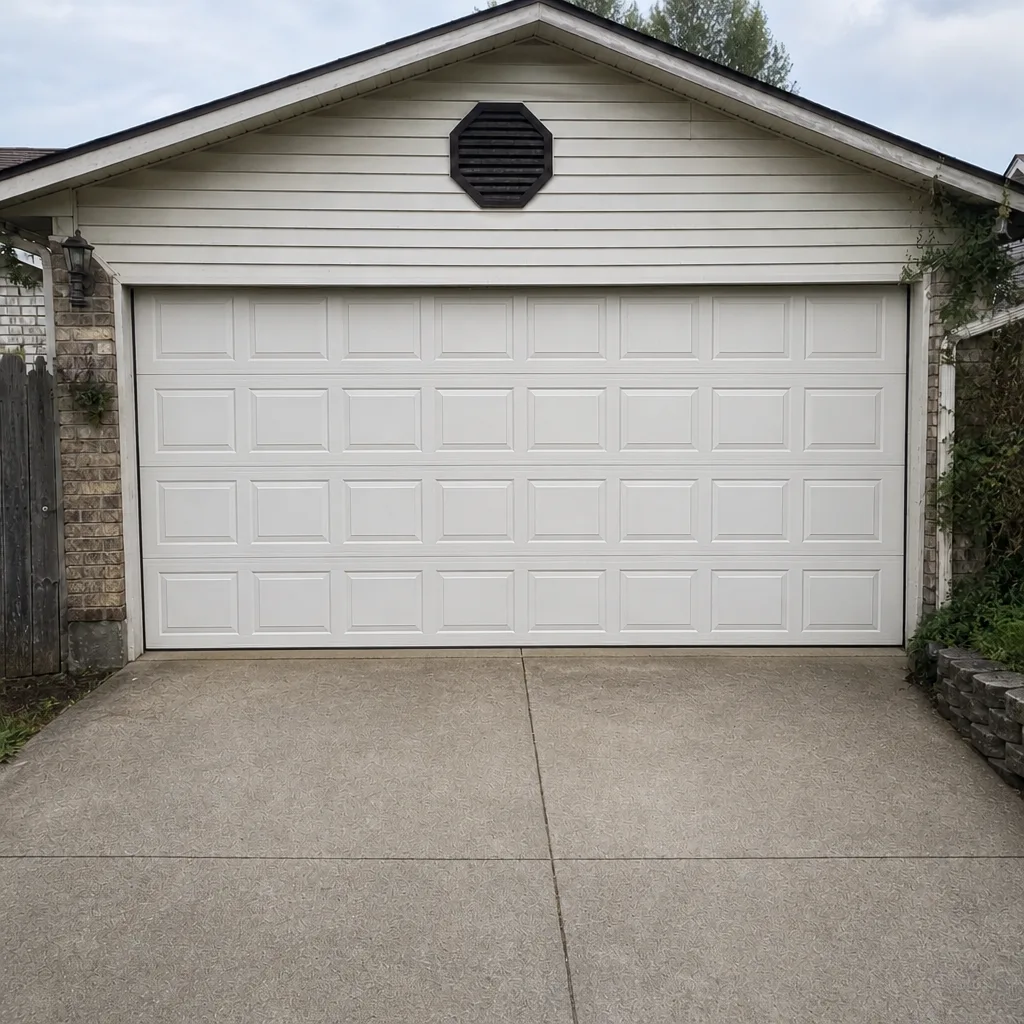 After
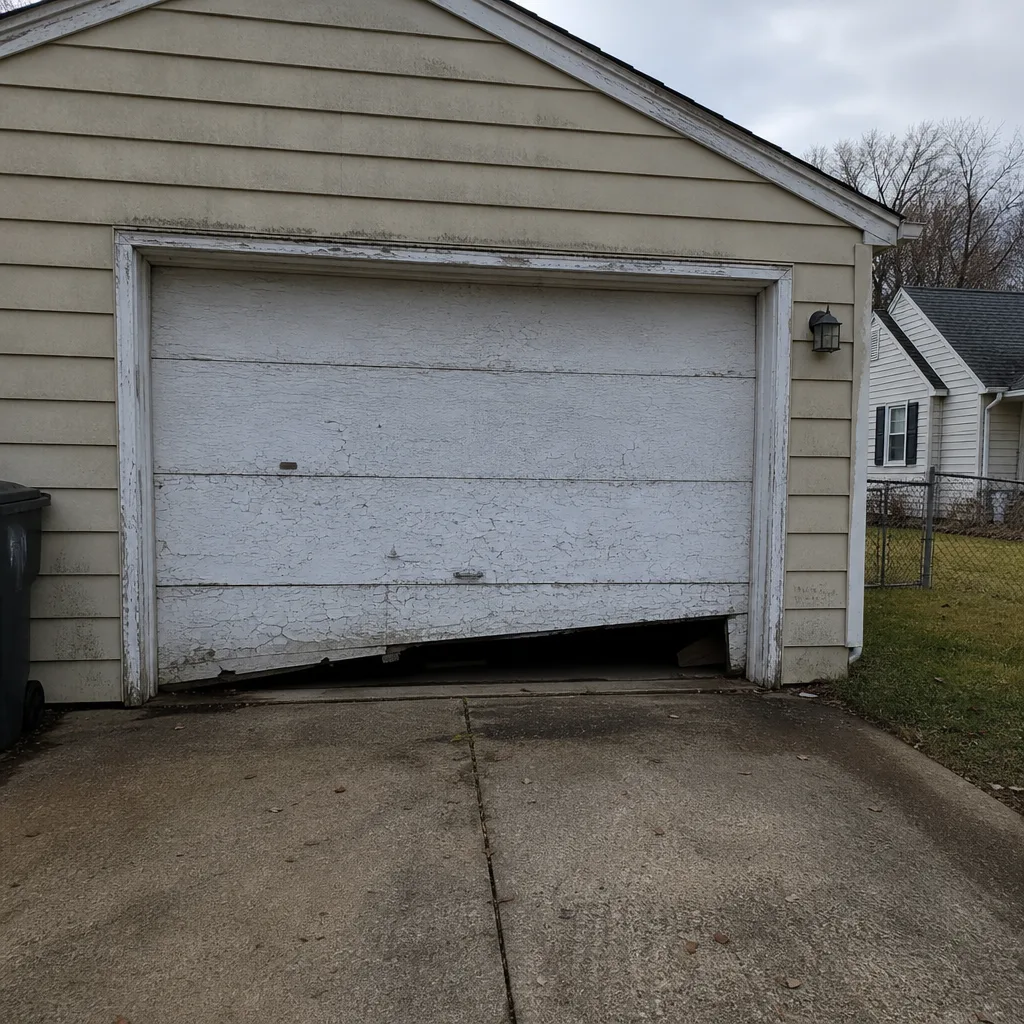 Before
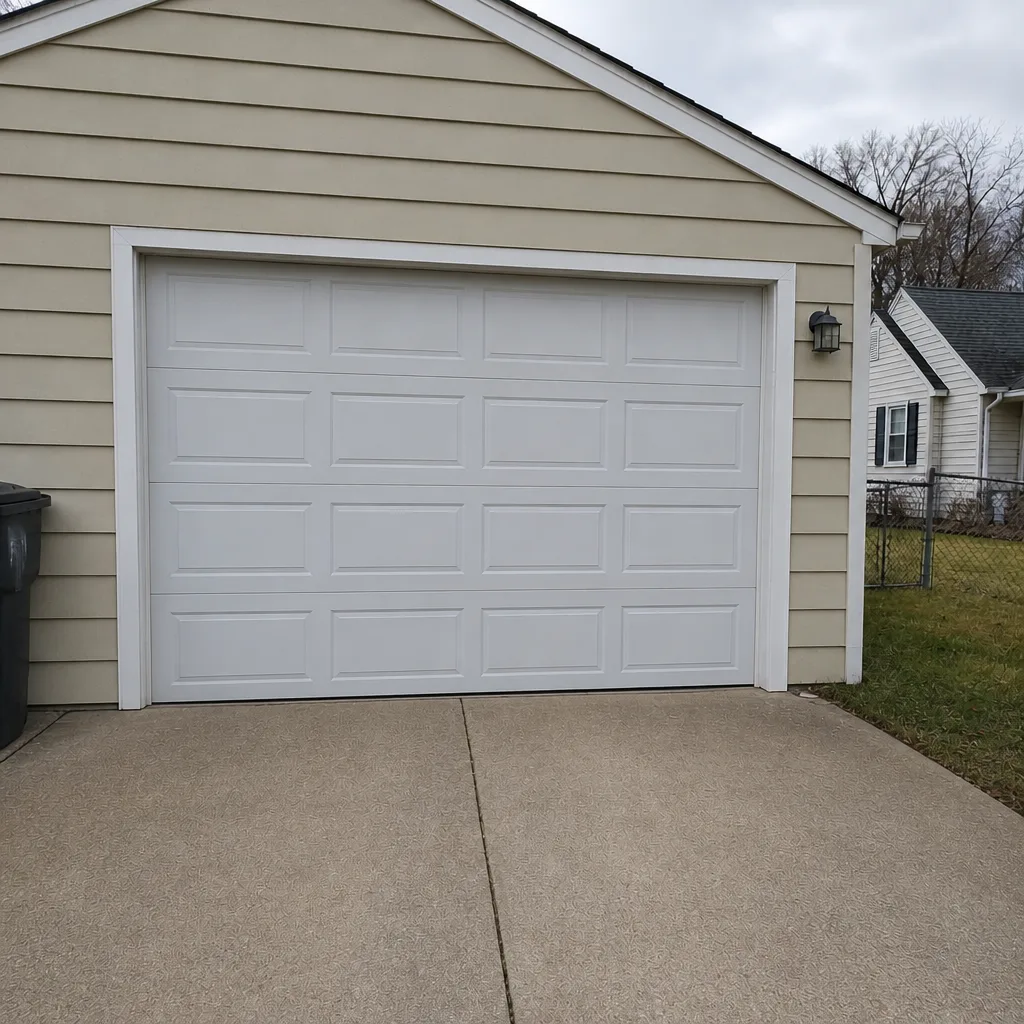 After
When to Call a Professional
Call a professional for any task in the “professional-only” row of the risk matrix, and for anything that could be one of those tasks in disguise. A door that’s become hard to lift may just be a lubrication issue – or it may mean a spring is failing. A door that’s started making a loud pop on the way down may have a broken spring already. A door that won’t stay closed may have a binding sensor or a failing tension system. Those distinctions matter, and the cost of guessing wrong is either a premium install or a hospital visit.
Middletown Garage Door Repair Experts offers free estimates in Middletown – call (888) 831-9534. We answer 24/7. Fast dispatch from 7am to 7pm, Sunday through Friday. Our technicians have up to 11 years of experience, work on all eight of the major garage door and opener brands, and can diagnose the actual problem rather than just replacing parts. One call covers the door, the opener, and the springs.
Frequently Asked Questions
No. Torsion and extension springs store energy that can cause serious injury, and proper replacement requires winding bars and other specialty tools most homeowners don’t have. Stick to low-risk tasks and call a professional for spring work. If your spring has failed, call (888) 831-9534 for a free estimate.
Pricing varies by door size, spring type and whether you need one spring or a matched pair, so we quote per job after seeing the door. The estimate is free and the price we give you in writing is the price you agree to before work starts. Call (888) 831-9534 – estimates are free.
For low-risk tasks like weatherstripping, lubrication and sensor alignment, yes – DIY is cheaper and genuinely worth doing. For anything that touches springs, cables, panels or the structural header, DIY is usually more expensive once diagnostic time and damage are factored in. Call (888) 831-9534 if you’re not sure which category your task falls into.
No. We quote a written price before any work starts, and that’s the price you pay. If we discover additional problems once we’re on site, we explain them and re-quote before touching anything else. Call (888) 831-9534 – estimates are free.
The local pro we connect you with is licensed and insured as required by the state of Ohio. Every job starts with a written estimate you approve before work begins. Call (888) 831-9534 to schedule.
Yes. UL 325 sets the safety requirements for automatic garage door operators, including photo-eye sensors and force limits. An opener that doesn’t meet the standard can compromise a homeowner insurance claim after an incident, and more importantly it can fail to protect a child or pet in the door’s path. Call (888) 831-9534 if you want the install inspected and brought up to standard.
The Bottom Line
The DIY-versus-professional question isn’t really a money question. It’s a risk question, and the answer changes by task. Weatherstripping, lubrication, sensor alignment and remote programming are safe, worthwhile DIY work. Panel dents and limit switch adjustments are reasonable for a careful homeowner with the right tools. Spring replacement, cable work, panel replacement, structural repair and opener installation are professional-only, not because a professional is magic but because those jobs carry real physical risk and specialty tool requirements. Judge each task on what happens if it goes wrong, not what you’ll save if it goes right. When in doubt, call us – the estimate is free, and so is the advice.
Middletown Garage Door Repair Experts handles the full job: garage door repair, opener repair, spring replacement and new installation on the brands you already have. If your door won’t open, close, or stay closed – that’s exactly what we handle. Call (888) 831-9534 for a free estimate. We answer 24/7. Fast dispatch from 7am to 7pm, Sunday through Friday.
Written by the team at Middletown Garage Door Repair Experts.