
Last updated November 23, 2026
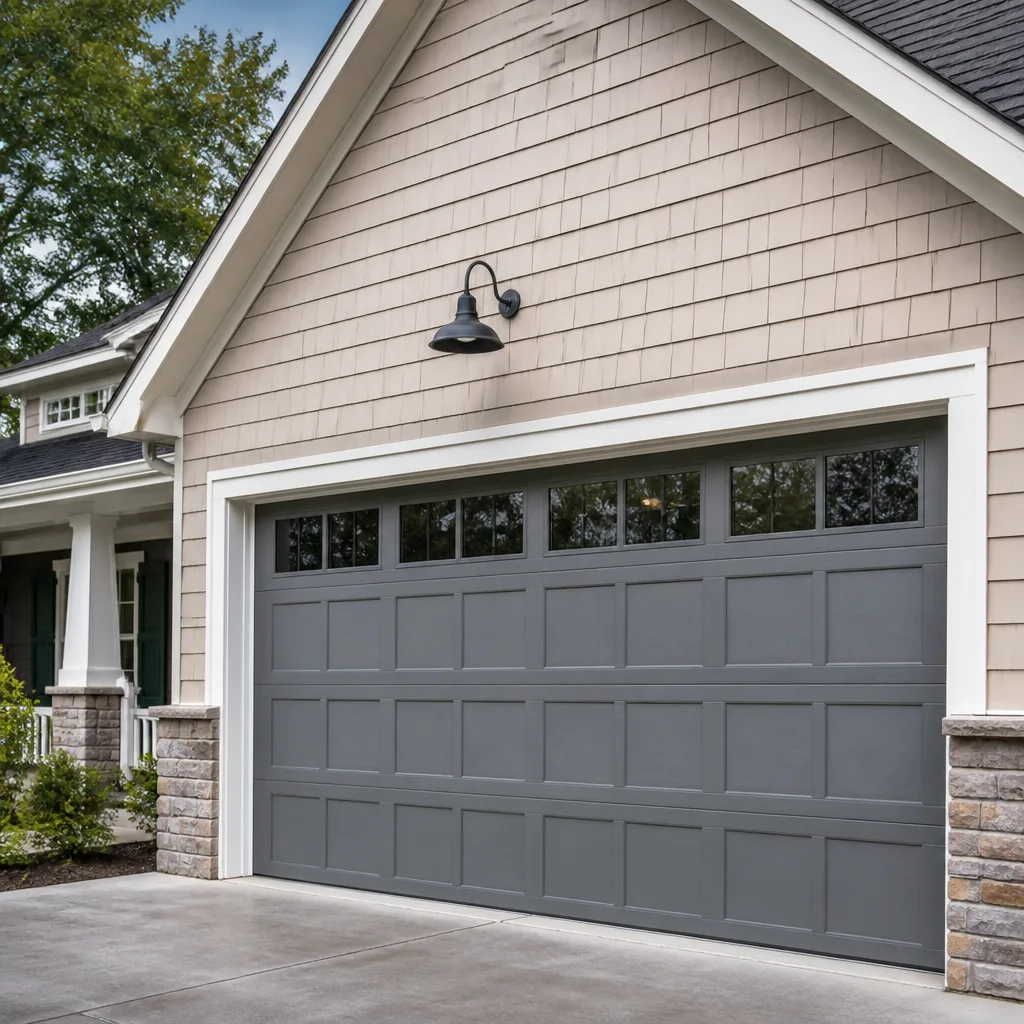
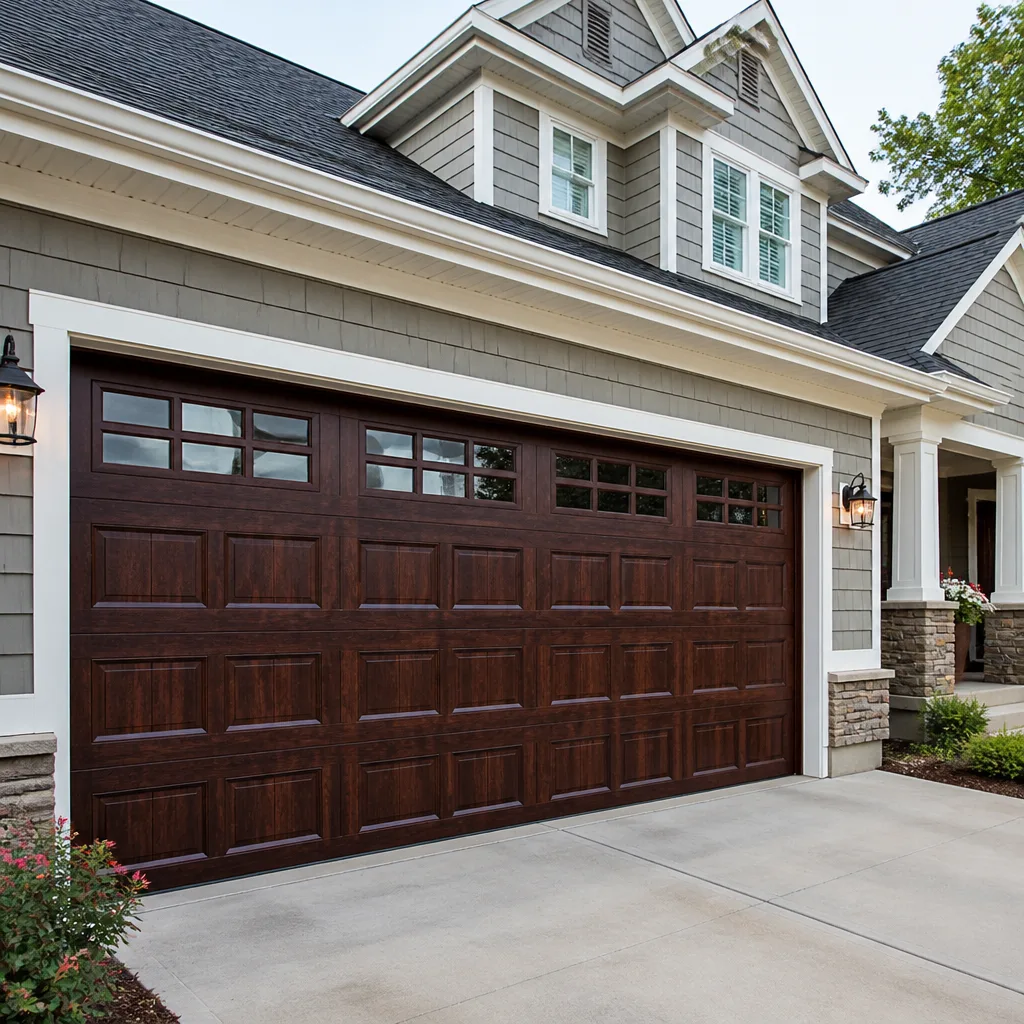
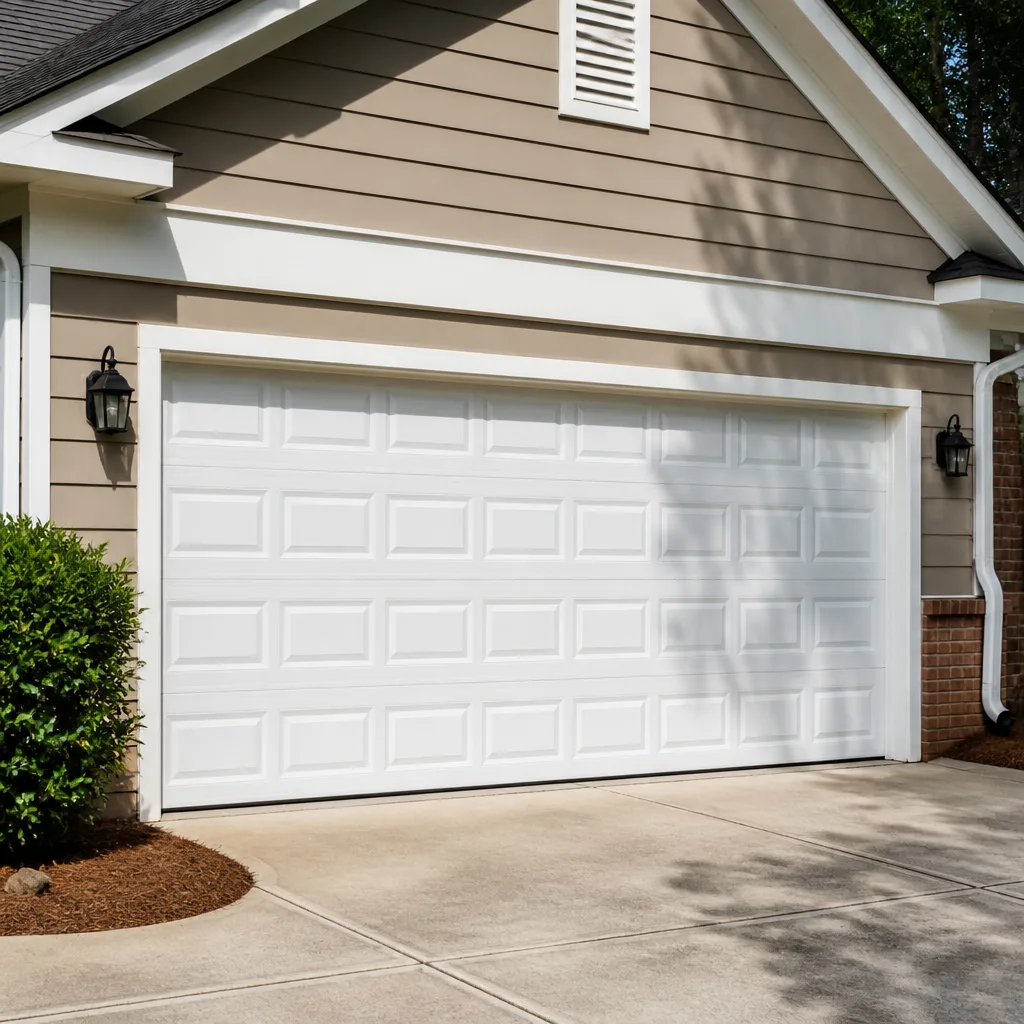 Raised-panel steel
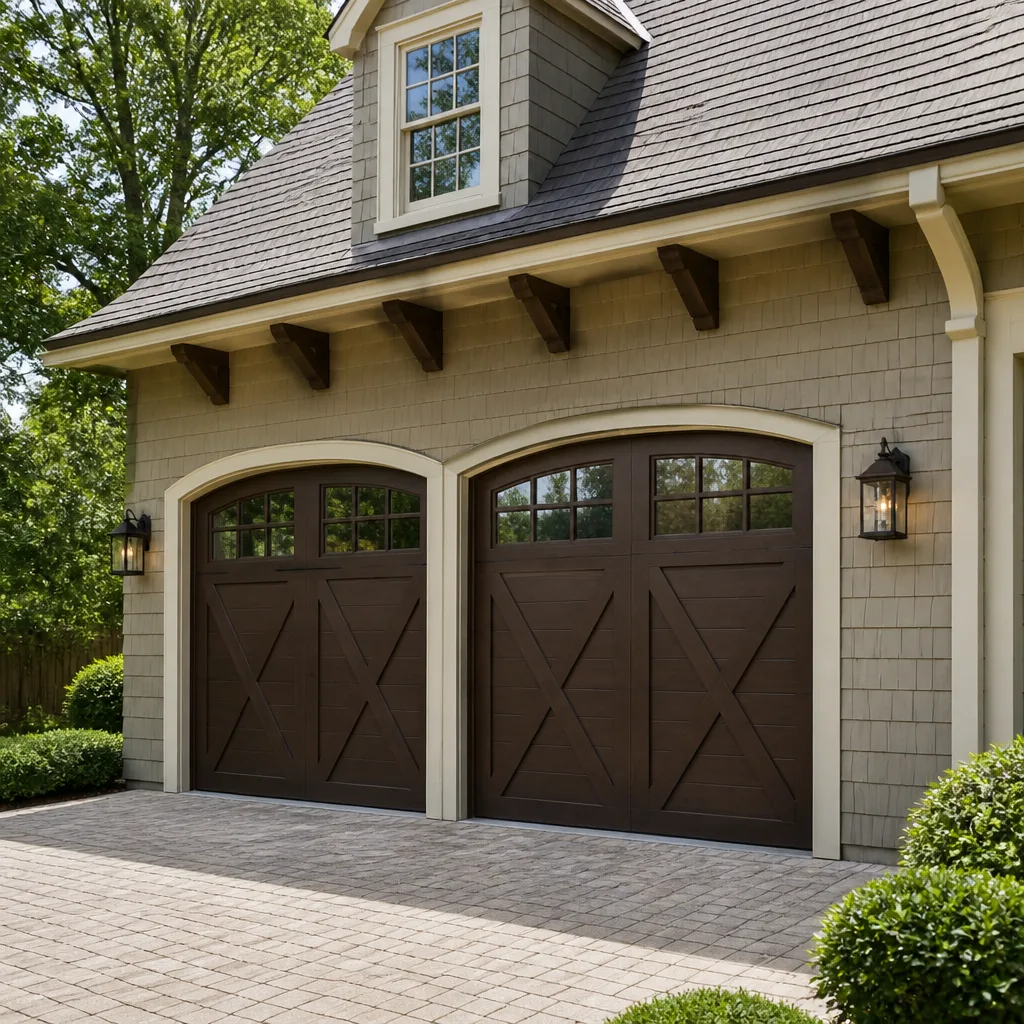 Carriage house
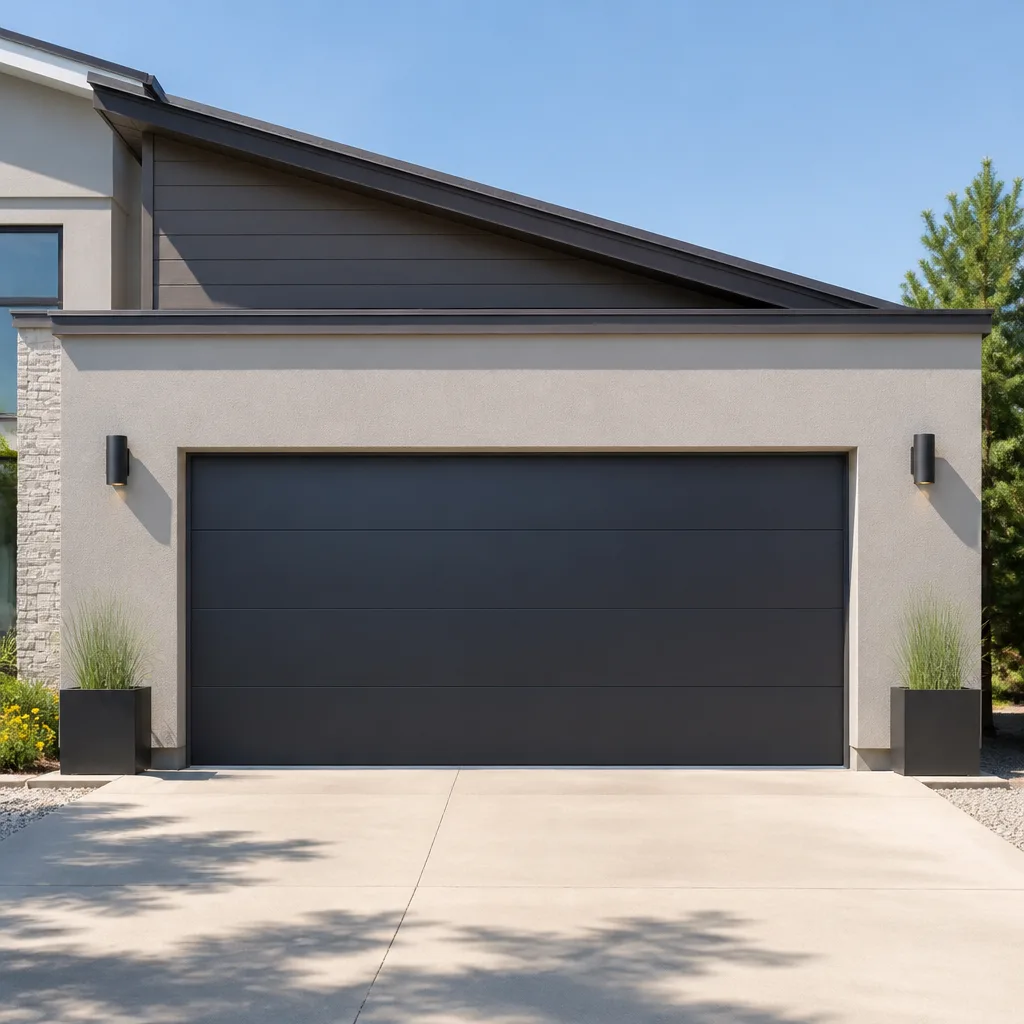 Modern flush
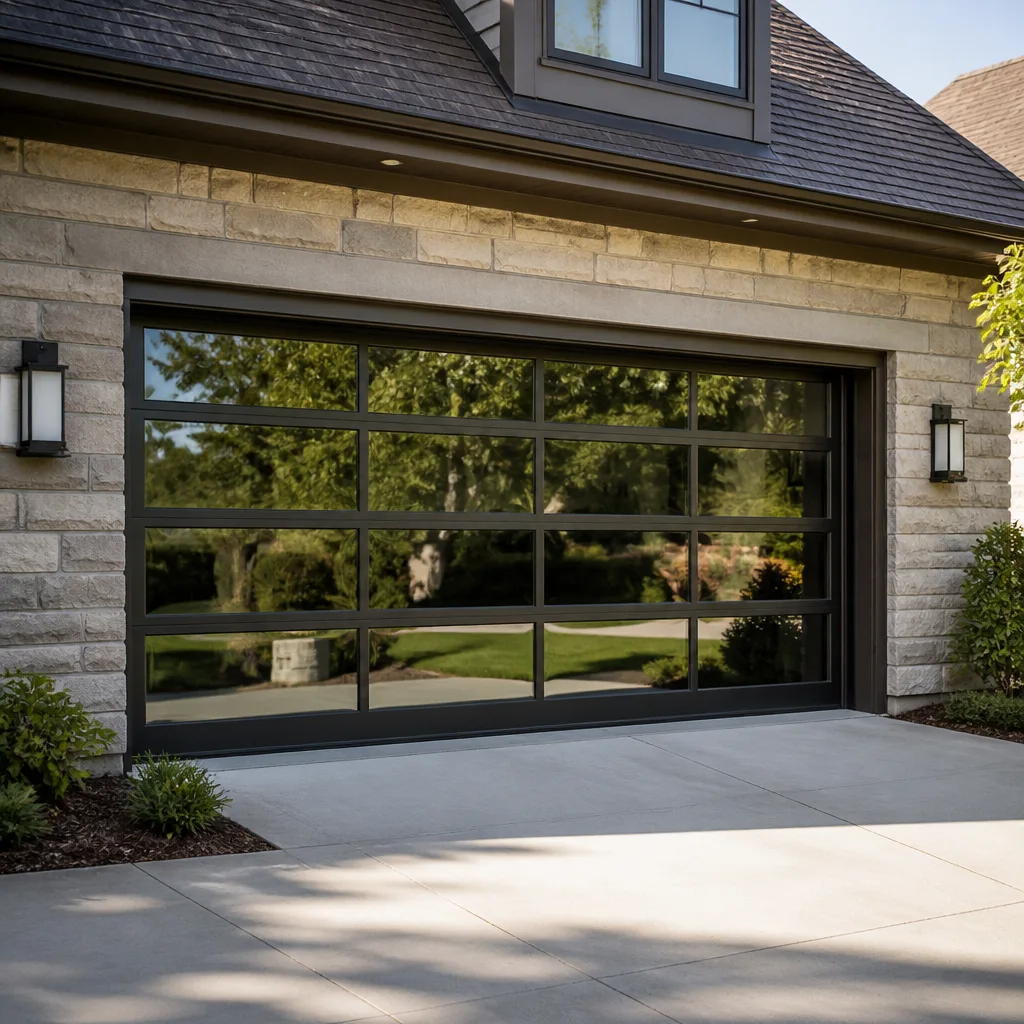 Full-view glass
 LiftMaster openers
 Chamberlain openers
Full 25-point door and opener safety check with every visit - springs, cables, rollers, tracks, and your LiftMaster or Chamberlain opener included
You get a price before we start. It does not change when the pro arrives.
Get your free estimateSeasonal Garage Door Care for Middletown: Year-Round Homeowner’s Guide
Most seasonal garage door advice gets the calendar wrong. If you ask a homeowner in Middletown when a door is most likely to fail, you’ll usually hear January, the coldest month. In our experience, the worst stretch runs through February and March. That’s when repeated freeze-thaw cycling works metal and seals back and forth, day after day, and fatigue builds faster than it ever does under steady cold. A door that survived a hard freeze without complaint can start binding the moment temperatures start bouncing above and below the freezing mark. This guide maps specific maintenance tasks to the four distinct threat windows a Middletown garage door actually faces, from frost heave at the threshold to summer heat expansion to the fall lubrication window that most people miss by a few weeks every year.
Quick Answer
A Middletown garage door needs four different kinds of care across the year, not one generic tune-up: a threshold and seal check as frost heave lifts concrete in late winter and early spring, a rust and expansion check during humid summer months, lubrication and hardware tightening in the 60 days before the first hard frost, and an opener force check once cold weather settles in. The single highest-value task year-round is keeping the bottom weatherseal intact, because a failed seal lets water, cold air and pests in and puts extra strain on the whole door system.
Styles & brands we work with
- Raised-panel steel
- Carriage house
- Modern flush
- Full-view glass
- LiftMaster openers
- Chamberlain openers
Table of Contents
- Why Middletown’s Climate Treats Your Garage Door Differently
- Spring: Frost Heave, Threshold Gaps, and the Alignment Illusion
- Summer: Heat Expansion, Humidity, and Rust on Springs and Cables
- Fall: The 60-Day Lubrication Window
- Winter: Why Openers Lose Force in the Cold
- The Task Everyone Skips: The Bottom Weatherseal
- A Month-by-Month Maintenance Checklist
- When to Call a Professional
Why Middletown’s Climate Treats Your Garage Door Differently
A garage door is a moving metal system exposed to weather from the outside and to whatever the garage holds on the inside. In Middletown, that means a door that heats up and cools down through a wide annual swing, sits above a concrete slab that moves with the ground, and relies on rubber seals that harden when temperatures drop and soften when they climb. The parts that fail first are usually the ones nobody looks at: the seals, the cable, the spring coils, the hinge plates.
The four seasons here don’t just change the temperature. They change the physics of what the door and its hardware are doing.
- Late winter and early spring bring freeze-thaw cycling that lifts concrete and works metal components back and forth.
- Summer brings heat expansion on steel panels and humidity that attacks uninsulated hardware.
- Fall is the window when lubrication actually does its job, before cold thickens grease and stiffens seals.
- Winter is when openers start straining and motors tell you something is wrong before a door ever does.
Treating the door the same way in all four windows is why so many homeowners get surprised. The tasks are different because the threat is different. We work on the brand you already have, whether that’s a Clopay steel door, a Chamberlain opener, or an older Genie unit that’s been quietly running for a decade, and the seasonal schedule holds across all of them. If something does fail, our garage door repair team handles the fix, but the goal of this guide is to keep that call from happening in the first place.
Spring: Frost Heave, Threshold Gaps, and the Alignment Illusion
When water in the ground under a driveway or garage apron freezes overnight and thaws the next day, it expands and contracts and slowly lifts the concrete. That’s frost heave, and in Middletown it shows up most dramatically in late February and March. The slab under a garage door is usually one of the first things to move, because it sits at grade and takes runoff from the whole driveway.
Here’s the part homeowners often misread. When frost heave lifts or tilts the concrete apron under a door, a visible gap opens between the bottom of the door and the floor. Many people assume the door is out of alignment or the track has shifted. In many cases, the door is fine and the concrete has moved. The fix on the door side is usually a thicker or better-seated bottom seal, combined with checking the door’s down-limit so it closes fully without jamming against the raised slab. Trying to force the door down onto lifted concrete can crush the seal and strain the opener.
What to check each spring:
- Close the door fully and look across the bottom edge for any daylight or a visible gap. Note where the largest gap sits.
- Stand inside the garage with the door closed and look for light or drafts under the threshold.
- Look at the concrete apron itself for cracks, unevenness, or a section that has visibly risen.
- Check that the bottom rubber seal is intact, pliable, and not torn loose from its channel.
- Test the door’s balance by disconnecting the opener and lifting it halfway by hand (only if you can do so comfortably and the door isn’t already misbehaving). A balanced door stays put.
If the concrete has moved significantly, the door itself may be perfectly healthy and the threshold still needs attention. That’s a conversation worth having before the ground settles again. If the door truly is out of alignment or the track has bent, that’s a repair, not a maintenance item, and it shouldn’t wait.
Summer: Heat Expansion, Humidity, and Rust on Springs and Cables
Steel expands in heat. On a dark-colored garage door facing a sunny driveway, surface temperatures can climb well above the air temperature, and the panel skins, stiles, and hardware all move a little as they warm. For most doors this is harmless, but it can expose loose fasteners, binding hinges, and a door that suddenly seems to stick on hot afternoons. If a door that ran smoothly all winter starts to drag in July, heat expansion is often part of the story.
The bigger summer story in Middletown is humidity. An uninsulated garage follows the outdoor humidity closely, and that’s the environment where bare steel springs, cables, hinges, and rollers rust fastest. Rust on a torsion spring is a genuine problem because it pits the coil surface and creates a stress point where fatigue cracks begin. Rust on cables weakens the strands. Rust on hinges and rollers adds friction the opener has to work against.
What to check each summer:
- Look at the springs, cables, and hinge plates for orange or brown discoloration. Any rust on a spring coil deserves a professional look.
- Watch for a door that sticks or groans on hot afternoons but runs fine in the morning. Heat expansion is a likely cause.
- Check the L-shaped brackets that attach the track to the wall frame for loose bolts.
- Look at the rollers for flat spots or cracks. Nylon rollers hold up well; steel rollers can rust and squeal.
- Feel for drafts around the perimeter. A garage that leaks hot, humid air in summer will leak cold air in winter.
Insulation on the door helps with temperature swings, and insulated panels from brands like Clopay or Amarr make a real difference in an uninsulated garage. If a door is already showing heavy rust on the springs or cables, don’t put off the call. Springs and cables under tension are dangerous to touch, and rust is the warning before a break. Our garage door spring repair specialists handle both torsion and extension springs with the right tools, and we’d rather inspect a rusty spring than replace one that snapped.
Fall: The 60-Day Lubrication Window
Lubrication matters most in a narrow window: the 60 days before the first hard frost. That’s not arbitrary. Garage door lubricant is a film, and its job is to sit between two metal surfaces and keep them from grinding. In warm weather, a good lubricant spreads easily and stays fluid. Once freezing nights arrive, cold thickens the film, and lubricant applied too late never gets the chance to work into the hinges, rollers, and spring coils where it needs to be.
Lubricate in October or early November in Middletown, not on the first frosty morning of December. By then, the door is already complaining and the lube is fighting the cold.
What the fall window looks like in practice:
- Wipe the hinge plates, rollers, and spring coils with a clean cloth to remove grit and old grease.
- Apply a garage-door-specific lubricant (not household oil, not WD-40) to the hinge pivots, roller bearings, spring coils, and the length of the torsion bar or the pulley points on an extension spring system.
- Do not lubricate the track itself. The track should be clean and dry so the rollers can roll; greasing it attracts dirt and clogs the bearings.
- Tighten the track bolts and hinge screws. Cold weather makes loose hardware rattle more audibly, and a loose track is a safety issue.
- Test the door balance and the auto-reverse safety feature (using a small object like a roll of paper towels under the door) before cold weather sets in.
- Walk the perimeter with a flashlight and look for daylight under the bottom seal that wasn’t there in summer.
If a hinge or roller is already squealing, lubing it will quiet it temporarily, but it probably needs replacing. That’s a quick, inexpensive fix when it’s caught in fall, and a much bigger problem when it lets go in January.
Winter: Why Openers Lose Force in the Cold
When a garage door suddenly won’t open in January, homeowners often assume the door is the problem. Usually it’s the opener. Cold weather affects the motor in several ways: the lubricant inside gear cases and worm drives thickens, the battery in a battery-backup unit loses capacity in low temperatures, and the door itself requires a bit more force to move because seals stiffen and metal contracts slightly. The result is an opener that fails the force test before the door actually has a problem.
If you know how to do it safely with your homeowner’s manual, you can check the force settings before cold weather arrives. On most openers from LiftMaster, Chamberlain, and Genie, the force adjustment is a small dial or set of limit screws on the motor housing. The goal is enough force to move the door smoothly without overriding the safety reverse. Set it too high and the opener masks a real mechanical problem; set it too low and the door won’t close in cold weather. If you’re not sure what you’re looking at, that’s the moment to call a tech before the first freeze, not after.
What to check each winter:
- Run the door up and down and listen for changes in sound versus fall. Straining, grinding, or clicking tells you something.
- Test the safety reverse monthly by placing an object in the door’s path. If it doesn’t reverse, stop using it and get it serviced.
- If you have a battery-backup opener, test it by unplugging the unit briefly. This is the piece that fails first in cold.
- Clear any snow or ice from the bottom seal before opening the door. A frozen seal can bind the door or tear the rubber.
- Watch for ice buildup on the threshold. If the bottom seal isn’t seating, water gets in and freezes against it.
If your opener is straining or refusing to close in the cold, that’s exactly what we handle. Our garage door opener repair technicians work on smart and legacy systems alike and diagnose the electronics and mechanical parts instead of just swapping hardware. We answer 24/7 and run fast dispatch from 7am to 7pm, Sunday through Friday, for doors that trap a car or leave a home unsecured.
The Task Everyone Skips: The Bottom Weatherseal
If you do one maintenance task on your garage door this year, make it the bottom weatherseal. It’s the strip of rubber or vinyl across the bottom of the door, and it’s the closest thing to a single point of failure in your garage’s envelope. A healthy seal keeps water, snow, wind, cold air, and pests out. A failed seal lets all of them in, and it also makes the door itself work harder because the seal is what creates the smooth close against the floor.
The seal fails in predictable ways. Cold makes it brittle, and freeze-thaw cycling cracks it at the folds. Sun and heat dry it out and make it lose elasticity. Frost heave can crush it against lifted concrete, and a miswired down-limit can tear it apart. Once it’s cracked or torn, water sneaks under and freezes, which pries it up further. That’s why an intact seal today can be a torn seal by March.
How to check and replace it:
- With the door closed, get down at floor level and look along the whole bottom edge. Any daylight you can see is a gap.
- Run a hand along the seal. It should feel soft and springy. If it feels hard, brittle, cracked, or torn, it needs replacement.
- Check the retaining channel that holds the seal. If the channel is bent or rusted, the new seal won’t sit right.
- Replacement seals come in standard profiles matched to the door’s bottom channel. Match the profile, not just the width.
- If the seal is fine but the gap is caused by lifted concrete, a thicker seal or an adjustable threshold strip is the fix.
Bottom seals are inexpensive, and replacing them is one of the few maintenance tasks most homeowners can do themselves without touching any part under tension. If you’re not comfortable getting on a ladder or under the door, we do this as part of routine garage door repair and can knock it out while we’re there for another reason.
A Month-by-Month Maintenance Checklist
Here’s the whole year in one place. Print it, stick it inside a garage cabinet door, and cross things off as you go. Each item is deliberately small.
- January: Test the opener’s force setting and safety reverse. Listen for strain in cold weather.
- February: Watch for gaps under the bottom seal as frost heave starts to move the concrete apron.
- March: Inspect the threshold and bottom seal closely. This is peak failure season, so any binding, popping, or strange noise deserves a look.
- April: Walk the perimeter and check for daylight. Look at the concrete for cracks and lifting.
- May: Check springs and cables for rust. Look at hinge plates.
- June: Watch for doors that stick on hot afternoons. Tighten loose track bolts.
- July: Look at roller condition. Replace any flat-spotted or cracked rollers.
- August: Check the door’s insulation and perimeter for drafts. Consider an insulated door upgrade if heat is getting through.
- September: The lubrication window opens. Clean and lubricate all moving parts except the track.
- October: Finish lubrication. Tighten all hardware. Test the door balance.
- November: Test the opener’s battery backup if you have one. Adjust force settings if needed before the first hard freeze.
- December: Keep the threshold clear of snow and ice. Check the bottom seal again.
The pattern to remember: fall is preparation, winter is testing, spring is damage assessment, summer is rust and heat. Each season’s tasks set up the next season’s.
Common Mistakes to Avoid
- Lubricating the track. It seems logical, but grease on the track collects grit and clogs the roller bearings. The track should be wiped clean and left dry. Lubricate the rollers, hinges, and springs instead.
- Using household oil or WD-40 on the springs. These products are solvents or thin oils, not lubricants designed for high-tension springs. They can strip existing protection and accelerate rust. Use a garage-door-specific lubricant.
- Adjusting the opener force setting to fix a door problem. If the door is binding, the opener isn’t the problem, and turning up the force just masks it. Find the real cause first.
- Ignoring a rusted spring. Rust on a spring coil is a warning sign of fatigue, and a fatigued spring can break without any additional warning. Do not try to inspect or lubricate a spring that shows pitting or cracks. Call a technician.
- Letting a torn bottom seal ride through winter. A failed seal lets water under the door and freezes it against the floor. That damage compounds quickly, and the seal is one of the cheapest parts to replace.
- Waiting until December to lubricate. By then, the cold has already thickened the lubricant and hardened the seals. Fall is the window, and it closes fast.
- DIY spring repair. Torsion springs and cables are under significant tension, and the tools needed to release them safely are not homeowner tools. This is the one part of the system that should always be left to a trained technician.
See the difference
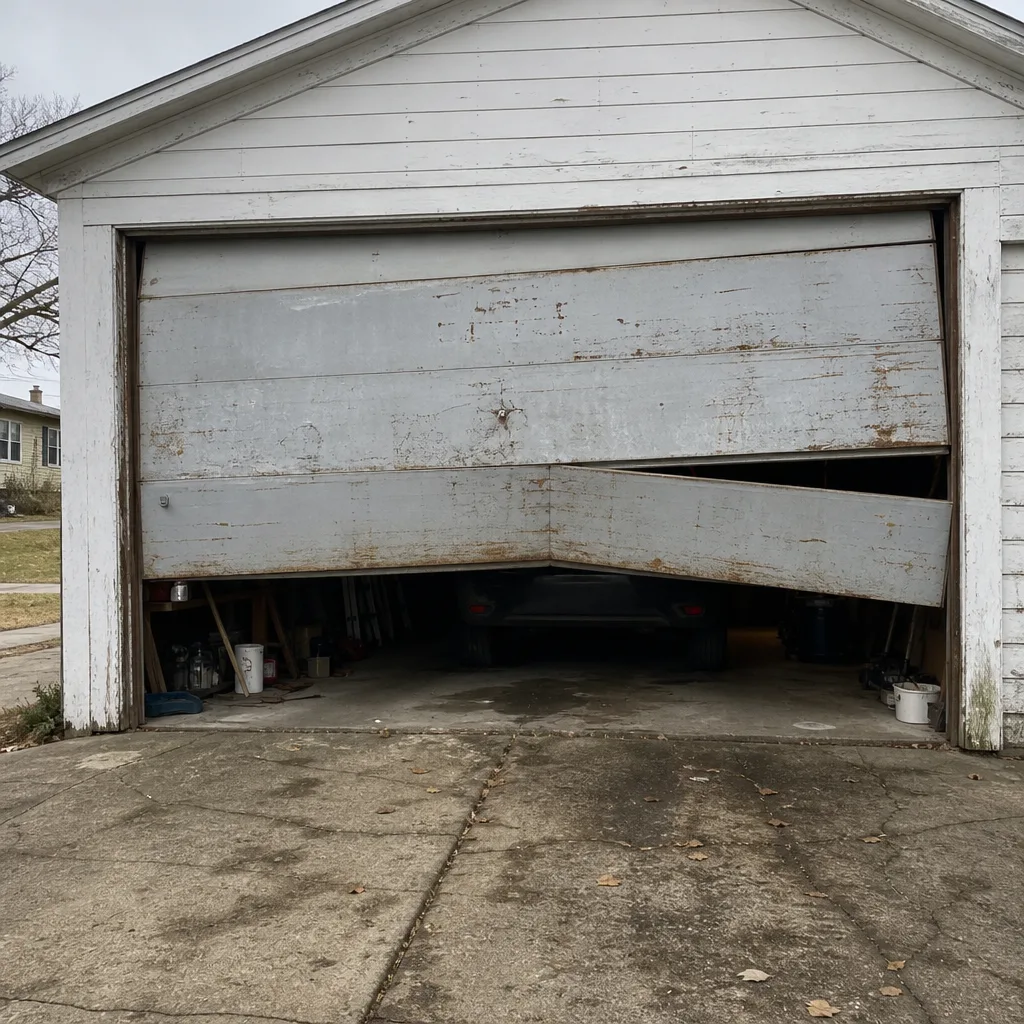 Before
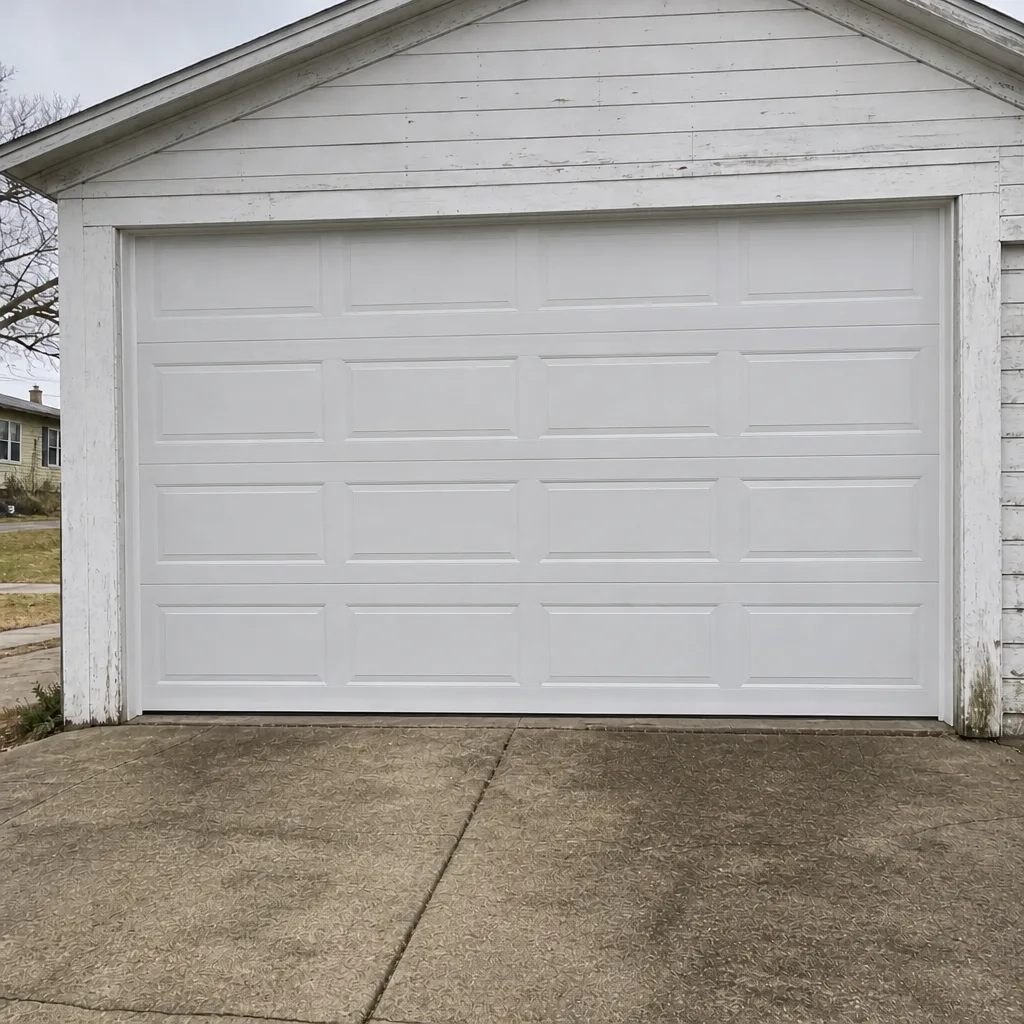 After
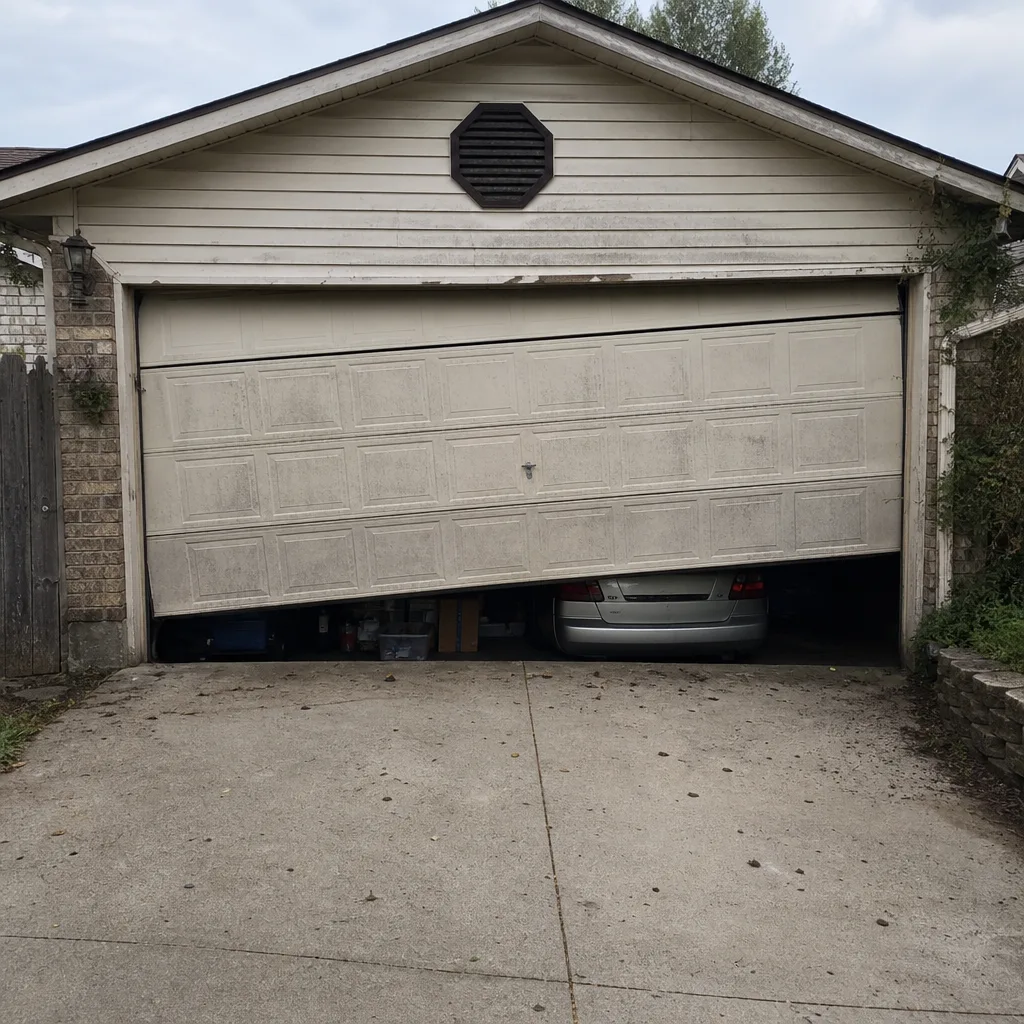 Before
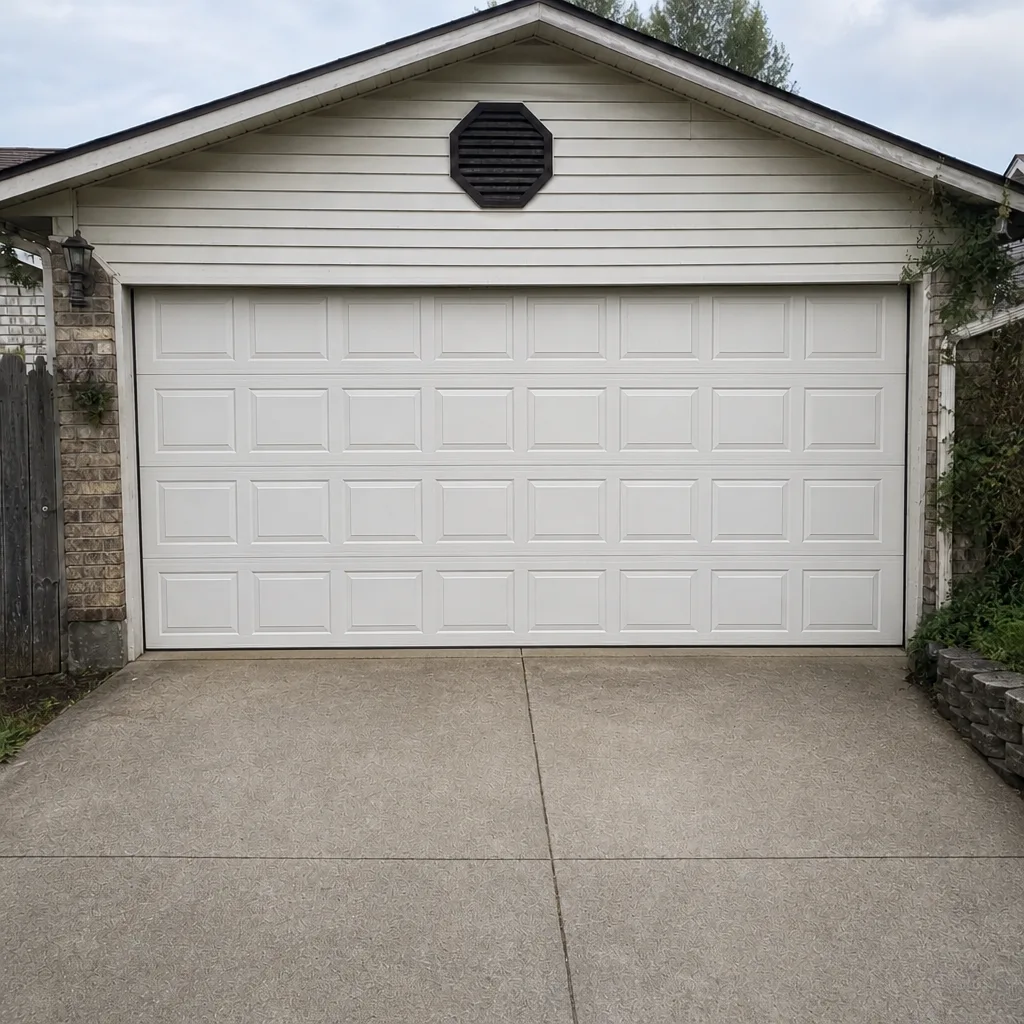 After
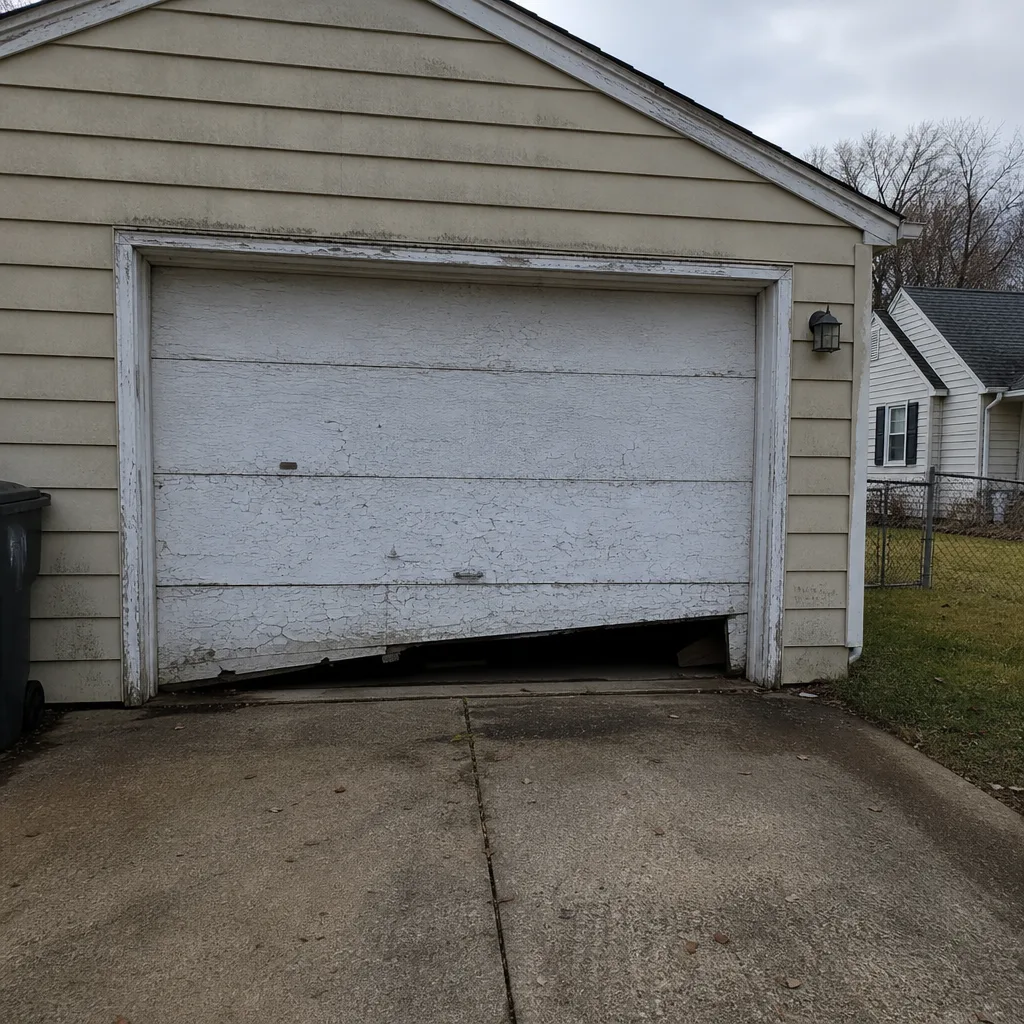 Before
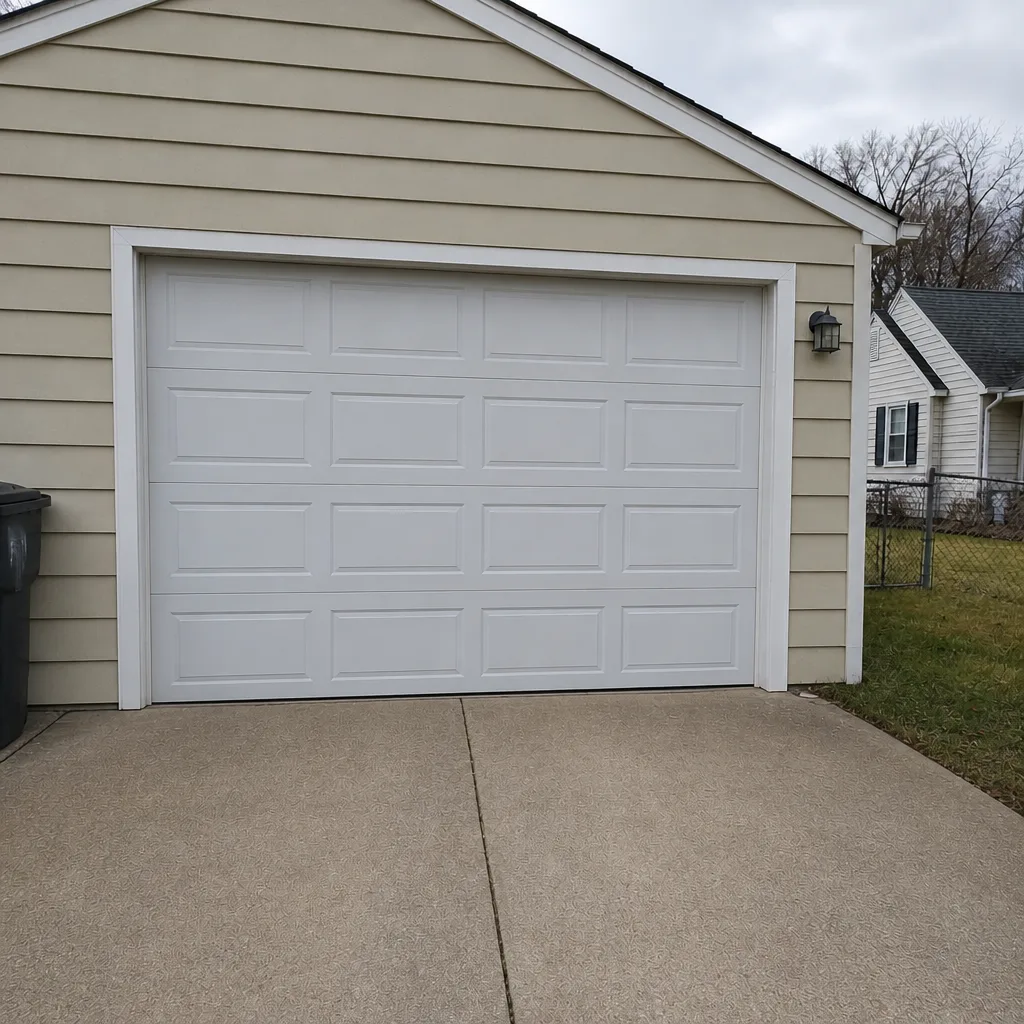 After
When to Call a Professional
Some tasks belong on the homeowner’s calendar. Others belong on ours. Call a professional for any spring that has broken, visibly cracked, or rusted through; for a door whose cables have come off the drums or appear frayed; for a door that is off its track or has bent track; for an opener that fails a safety reverse test, grinds, or won’t complete a cycle in cold weather; for any spring replacement at all, because the tension release is genuinely dangerous; and for a bottom seal or threshold repair that has you going up and down a ladder or under the door. If a door won’t open or close, that’s a security and safety issue and worth same-day attention. Middletown Garage Door Repair Experts offers free estimates in Middletown, and our technicians are state-licensed and insured as their state requires. Call (888) 831-9534. We answer 24/7, and we run fast dispatch from 7am to 7pm, Sunday through Friday, for emergency garage door situations.
Frequently Asked Questions
Twice a year: once in the fall, ideally in October before the first hard frost, and once in the spring once the freeze-thaw season settles down. Fall is the important one. Lubricant applied too late in the year never gets the chance to work into the hinges and spring coils before cold thickens it. Call (888) 831-9534 for a free estimate if a hinge or roller is squealing despite regular lubrication; that usually means the part is worn, not under-lubricated.
Usually the opener, not the door. Cold thickens the lubricant inside the motor, weakens the battery in a backup unit, and adds a bit of friction to the door itself, so the opener can fail its force test even though the door is mechanically fine. Check the force setting against your owner’s manual before winter, and test the safety reverse monthly. If the opener won’t complete a cycle in cold weather, that’s exactly what we handle. Call (888) 831-9534 for an exact quote; estimates are free.
Bottom seal replacement is priced per job by a written estimate, and the final price depends on the seal profile, door width, and whether the retaining channel also needs work. It’s one of the smallest jobs we do and one of the highest-value maintenance tasks, since a failed seal is what lets water, cold air, and pests into a Middletown garage. Call (888) 831-9534 and we’ll walk through what your door needs.
Freeze-thaw cycling. January’s sustained cold is hard on a door, but it’s steady. February and March bring repeated cycles of freezing nights and thawing days, and every cycle works metal and seals back and forth by a small amount. Fatigue builds through repetition, not through a single cold snap. That’s why a door that ran quietly through January can start binding in March. If your door is misbehaving as temperatures bounce, call us before it’s a bigger fix.
No. Garage door springs, both torsion and extension, are under significant tension, and releasing or installing them requires specialized tools and safety protocols. Homeowners who attempt it risk serious injury. This is the single category of garage door work that should always be handled by a trained technician. Our technicians have up to 11 years of experience in spring repair. Call (888) 831-9534 if a spring has broken, rusted through, or is showing cracks.
An insulated door makes a meaningful difference if your garage shares a wall with living space, holds a workshop, or runs very hot in summer and very cold in winter. Insulated panels from Clopay and Amarr help even out the temperature swings that push metal and seals through more contraction and expansion each year. Our technicians are trained on those brands and can walk through the options. Call (888) 831-9534 for a free measure and a written estimate.
The Bottom Line
A Middletown garage door gets more out of a seasonally matched maintenance schedule than out of any single tune-up. Fall is the lubrication window, and it closes fast. Late winter and early spring are the damage-assessment months, because freeze-thaw cycling is doing more work on your door than sustained cold. Summer is when rust and heat expansion get their chance. Winter is when the opener tells you the door needs attention. And the bottom weatherseal is the one task worth doing in every season. Get those four windows right, and the big calls become rare. If something is still binding, snapping, or refusing to close, that’s exactly what we handle. Middletown Garage Door Repair Experts covers the whole system, from doors and openers to springs, across the Middletown Garage Door Repair Experts team and everything we service in Middletown.
Call (888) 831-9534 for a free estimate. We answer 24/7, with fast dispatch from 7am to 7pm, Sunday through Friday. The price is quoted and agreed before any work starts, and the written estimate sets the final price.
Written by the team at Middletown Garage Door Repair Experts.